
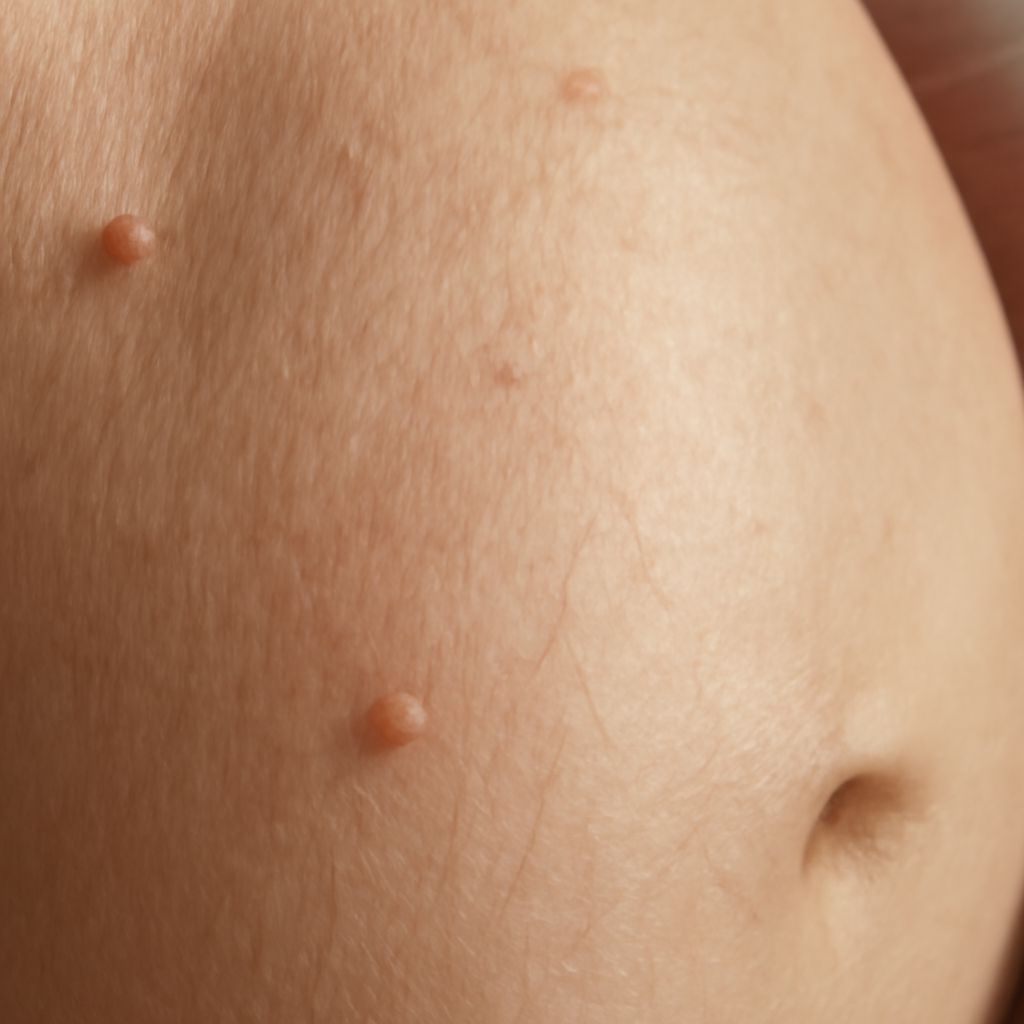
Pregnancy is a time of profound change, not just for your growing baby, but also for your body. Among these changes, skin tags can appear unexpectedly, leading pregnant women to wonder what causes these small, benign growths. Skin tags pregnancy concerns many women due to the discomfort they can cause and the aesthetic worries they bring. Fortunately, understanding pregnancy skin tags can help prospective mothers feel more confident and informed when managing skin tags and pregnancy changes.
In this guide, we explore the causes, potential permanence, preventive measures, and safe treatments for skin tags during this unique period. We also look into how these changes might affect different skin tones art, offering tailored advice to manage your skin health effectively.
What Causes Skin Tags During Pregnancy?
Hormonal Changes
Hormonal fluctuations are a hallmark of pregnancy, significantly influencing the body’s functions. These changes can contribute to the growth of skin tags — small, soft skin growths that can appear anywhere on the body but are often found in areas of friction. The increased levels of hormones may stimulate the skin to produce more cells, occasionally resulting in these benign growths.
Weight Gain and Skin Friction
As the body gains weight during pregnancy, certain areas may experience more friction. Skin tags commonly develop in folds, such as the underarms, neck, and under the breasts, where increased rubbing occurs. This friction, paired with weight gain, can exacerbate skin tag formation.
Genetic Factors
Genetics also play a role in the development of skin tags. If your family has a history of skin tags, you might be more predisposed to developing them during pregnancy. Understanding your genetic predispositions can help you take proactive measures in skin care.
Are Pregnancy Skin Tags Permanent?
Natural Resolution Post-Pregnancy
In many cases, skin tags that develop during pregnancy resolve on their own after childbirth. As hormone levels stabilize and the body returns to its pre-pregnancy state, some skin tags may shrink and disappear without any intervention.
Removal Options
If skin tags persist post-pregnancy, there are various removal options available. These include over-the-counter remedies, as well as more definitive procedures performed by healthcare providers. However, it’s crucial to avoid self-removal to prevent infection and scarring.
Consulting a Dermatologist
Consulting a dermatologist is recommended if skin tags become bothersome or if you desire professional advice on safe removal methods. Dermatologists can offer tailored treatments based on individual skin types and health history.
How to Prevent Skin Tags During Pregnancy?
Maintaining Healthy Skin
Ensure that your skin remains healthy and hydrated throughout your pregnancy. Moisturizing regularly and maintaining a gentle skincare routine can help minimize friction and irritation, reducing the likelihood of skin tag formation.
Using Safe Skin Products
Select skincare products that are safe for use during pregnancy. Avoid ingredients that might irritate sensitive skin, and instead, opt for hypoallergenic products that support skin health without causing harm.
Lifestyle Adjustments
Making small lifestyle changes, such as wearing loose-fitting clothing and maintaining a balanced diet, can also aid in preventing skin tags. Reducing friction through these adjustments can contribute significantly to skin health during pregnancy.
How Are Skin Tags and Pregnancy Related?
Understanding Skin Changes
Pregnancy is a period of substantial skin changes, with skin tags being just one aspect. Understanding these changes helps in identifying the best care practices for your evolving skin needs.
Other Skin Conditions During Pregnancy
Alongside skin tags, pregnant women may experience other skin conditions such as stretch marks and melasma. Being informed about these conditions allows expecting mothers to prepare and care for their skin appropriately.
Can Skin Tags Affect Different Skin Tones?
Skin Tones Art in Dermatology
Diverse skin types can react differently to changes during pregnancy. Dermatologists recognize the importance of tailoring treatments that respect and enhance the unique characteristics of all skin tones.
Importance of Tailored Treatments
It’s essential to consider tailored skincare solutions to address the specific needs of different skin tones, ensuring that treatments are both effective and safe for diverse populations.
What Are Safe Treatments for Skin Tags During Pregnancy?
Home Remedies
Some home remedies, such as applying apple cider vinegar or tea tree oil, are popular for their natural properties. However, expectant mothers should consult with healthcare providers to ensure their safety and effectiveness.
Medical Procedures
For a more definitive solution, medical procedures such as cryotherapy or surgical removal can be considered. These are typically quick and performed in a clinical setting, ensuring safety and efficacy.
Safe Practices
When considering treatments, prioritize safe practices that avoid harsh chemicals and potential skin irritants. Safety during pregnancy is paramount, and any treatment should be thoroughly evaluated for its impact on both mother and child.
Should You Be Concerned About Skin Tags?
When to Seek Medical Advice
While skin tags are generally harmless, it is advisable to seek medical advice if they cause discomfort, bleed, or change in appearance. Professional evaluation can rule out any underlying issues.
Impact on Health
Overall, skin tags have minimal impact on health. They are primarily a cosmetic concern, and treatments are usually pursued for aesthetic reasons rather than medical necessity.
Bottom line: Skin tags during pregnancy are a common occurrence, often influenced by hormonal changes and skin friction. While they typically pose no serious health risks, understanding their causes and treatments can help manage them effectively. Always prioritize safe treatment options, especially during pregnancy.





Leave a Reply