
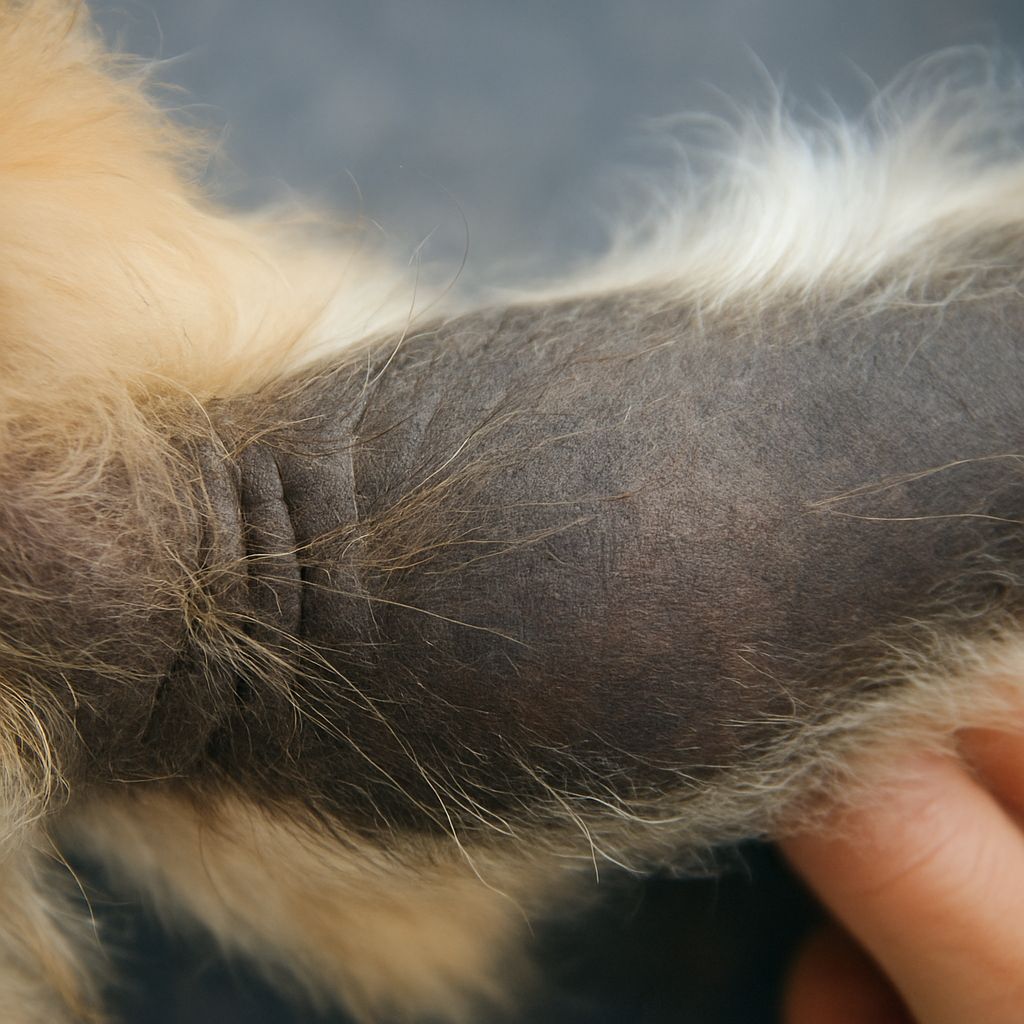
Discovering white flakes in your young dog’s coat is understandably alarming for new puppy owners. Puppy dandruff is a common condition that affects dogs of all breeds, though some, particularly Labrador Retrievers, Basset Hounds, and Cocker Spaniels, are more prone to it than others. The good news is that most cases of puppy flaking resolve with simple nutritional and grooming adjustments. Choosing an appropriate lotion for dogs dry skin or a dog dry skin lotion can provide meaningful relief while longer-term dietary changes work to address the root cause from within.
If you notice that your puppy has dandruff alongside hair thinning or patchy coat loss, the situation may be more complex than simple environmental dryness. Dog dandruff hair loss occurring together can indicate mange, ringworm, or nutritional deficiencies that require veterinary investigation rather than home treatment alone.
What Causes Dandruff in Puppies?
Low Environmental Humidity
Winter months and forced-air heating systems reduce indoor humidity, drawing moisture from skin and coat. This is the most common cause of seasonal puppy flaking and typically resolves once humidity is restored to 40 to 50 percent using a humidifier. The flaking appears gradually and is distributed evenly across the body rather than in concentrated patches.
Nutritional Deficiencies
Diets low in omega-3 and omega-6 fatty acids impair the skin’s lipid barrier and reduce the natural moisturizing factor within skin cells. Many budget dry kibbles fall short in essential fatty acid content. Supplementing with a small amount of fish oil or switching to a higher-quality food with named fish or chicken as the first ingredient often produces visible improvement in coat quality within four to six weeks.
Over-Bathing and Harsh Shampoos
Bathing a puppy more than once every three to four weeks with a standard pet shampoo strips the natural oils from their skin and coat. Young dogs produce skin oil at rates that require less frequent washing than adults. When bathing is needed, use a puppy-specific, soap-free, or hypoallergenic shampoo and rinse thoroughly.
Cheyletiella Mites (Walking Dandruff)
A specific type of surface mite called Cheyletiella produces an infestation that looks almost identical to regular dandruff but with one distinguishing characteristic: the flakes appear to move slightly under close inspection as the mites walk beneath them. This condition is highly contagious and requires veterinary treatment with antiparasitic products rather than home moisturizing care.
Lotion and Topical Treatments for Dog Dry Skin
When selecting a dog dry skin lotion, choose products specifically formulated for canine use. Human lotions often contain fragrances, preservatives, or active ingredients that are inappropriate or toxic for dogs. Look for canine skin conditioners containing oatmeal, aloe vera, vitamin E, or coconut oil as active moisturizing agents. Apply to affected areas after bathing while the coat is still slightly damp to lock in moisture. Avoid products with menthol, tea tree oil at full strength, or zinc oxide, which are toxic to dogs if ingested during grooming.
When Dandruff Accompanies Hair Loss
Dog dandruff paired with hair loss in distinct circular or irregular patches is a red flag that requires veterinary evaluation. Ringworm produces circular bald patches with scaly edges. Demodectic mange causes diffuse or patchy hair loss, often starting on the face. Sarcoptic mange produces intense itching alongside hair loss and crusting. Hypothyroidism in young dogs is less common but causes diffuse hair thinning and poor coat quality. A skin scrape and fungal culture performed by a vet distinguishes these conditions from simple environmental dryness quickly and allows targeted treatment.
Prevention and Long-Term Coat Health
The most reliable long-term strategies for preventing recurrent puppy dandruff are consistent nutrition, appropriate bathing frequency, and regular grooming. Weekly brushing distributes natural oils along the coat shaft and removes dead skin cells before they accumulate. A balanced, nutritionally complete food with adequate essential fatty acids removes the most common dietary trigger. Routine veterinary checkups catch parasite infestations or underlying health conditions early, before skin symptoms become severe.

Leave a Reply