
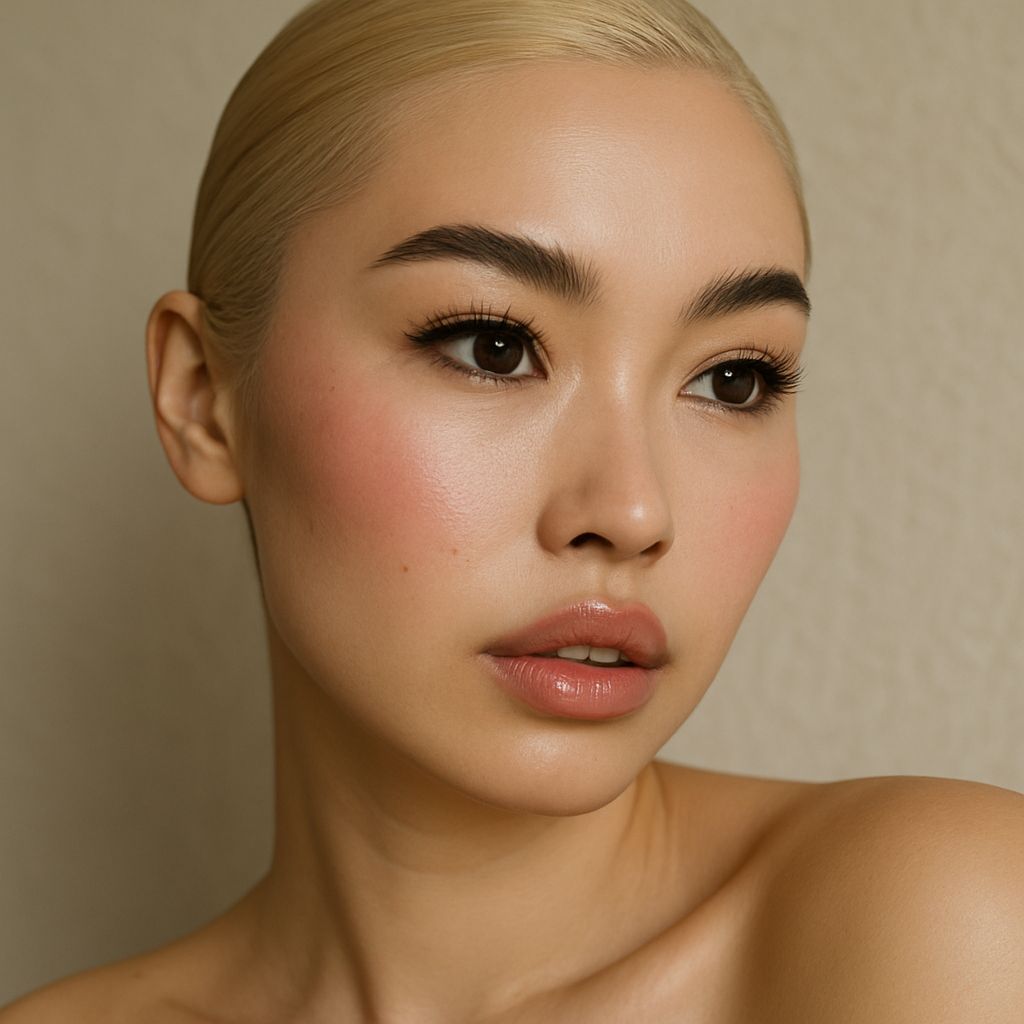
Cool toned blush is the category of cheek color most likely to look natural and harmonious on complexions with pink, blue, or neutral undertones. Knowing how to apply blush correctly matters as much as choosing the right shade; the same product placed in the wrong spot can look either garish or invisible. This guide explains what separates a cool blush from a warm one, covers blush flower and blush chair techniques for placement precision, and pairs each recommendation with lipstick colors for cool skin tones so your entire look stays cohesive.
Cool-undertone skin reacts to warm, peachy, or orange-toned blushes by looking clashing or sallow. Staying within the pink, rose, berry, and mauve families keeps the complexion looking intentional and fresh.
What Makes a Blush Cool Toned?
Pigment Base
A cool toned blush gets its temperature from the pigments in the formula. Shades built on blue-red or violet-red bases read as cool. Mauve, berry, raspberry, dusty rose, and pale pink all fall into this category. Shades built on yellow-red or orange-red bases, such as coral, peach, or terracotta, are warm and will clash with cool undertones.
Finish Considerations
Matte and satin finishes work well on most skin types for cool blush. Shimmery cool blush with silver or pearl shimmer adds dimension for evening wear without introducing warmth. Avoid bronzy or golden shimmer blushes if your undertone runs cool.
Which Cool Toned Blush Shades Work Best?
For fair, cool-undertone skin, baby pink and soft petal pink give a delicate flush without overpowering the complexion. Medium cool skin tones look excellent in dusty rose, soft mauve, and light berry. Deep cool skin tones carry rich berry, deep plum blush, and true rose beautifully. Avoid any shade with a visible orange or yellow cast when swatched on the hand. Test blush on the inner arm close to the wrist, where skin tone is more consistent with facial undertone.
How Do You Apply Blush for Cool Skin Tones?
Knowing how to apply blush makes the difference between a natural flush and an overdone look. Always apply blush after foundation and concealer but before setting powder. Smile gently and sweep a fan brush or fluffy blush brush across the apples of your cheeks in a C-curve that arcs toward the temple. Start with less product than you think you need; cool-toned pigments can be intense, and it is easier to build than to remove. Tap off excess product from the brush before applying. Blend outward toward the hairline so there are no visible edges.
Brush Choice
A dome-shaped fluffy brush disperses cool blush naturally across a broad area. An angled kabuki brush allows more precise placement for sculpting. For cream blush, a stippling brush or fingertips press color into the skin more effectively than a fluffy brush.
What Is the Blush Flower Technique?
The blush flower technique places product in a soft, circular bloom on the high point of the cheek, directly below the eye. Rather than sweeping in a line or arc, the brush moves in small rotating motions to deposit color in a concentrated but naturally diffused circle. The result mimics a natural flush from cold air or light exertion. This placement style suits round and oval face shapes, draws attention to the cheekbones, and works particularly well with cool toned blush in soft pink or mauve shades.
What Is the Blush Chair Placement Method?
The blush chair method places product in an inverted U or chair shape that starts at the temple, curves along the cheekbone, and ends just below the eye. It mimics the contour of a high, lifted cheekbone and works on angular face shapes such as square or rectangular. For cool-undertone skin, using a dusty rose or muted berry in this placement adds structure without looking artificial. The chair shape elongates the face visually and pairs naturally with a slightly more sculpted contour below the cheekbone.
Which Lipstick Colors Work With Cool Blush?
Lipstick colors for cool skin tones should echo the blush family without being identical. If you wear a pink blush, a deeper rose or berry lip creates depth. A mauve blush pairs with a nude-pink or plum lip. Avoid pairing cool blush with orange-based nudes or coral lipsticks, which create a disjointed look. Blue-red lipsticks, true red, and raspberry are safe choices across most cool-toned blush pairings. Keep both blush and lip at similar saturation levels: both soft or both bold, rather than mixing a bright blush with a pale lip.
Safety recap: Always check blush formulas for talc if you have sensitive lungs, and patch-test new products on the inner forearm if you have reactive skin before applying to the face.




Leave a Reply