
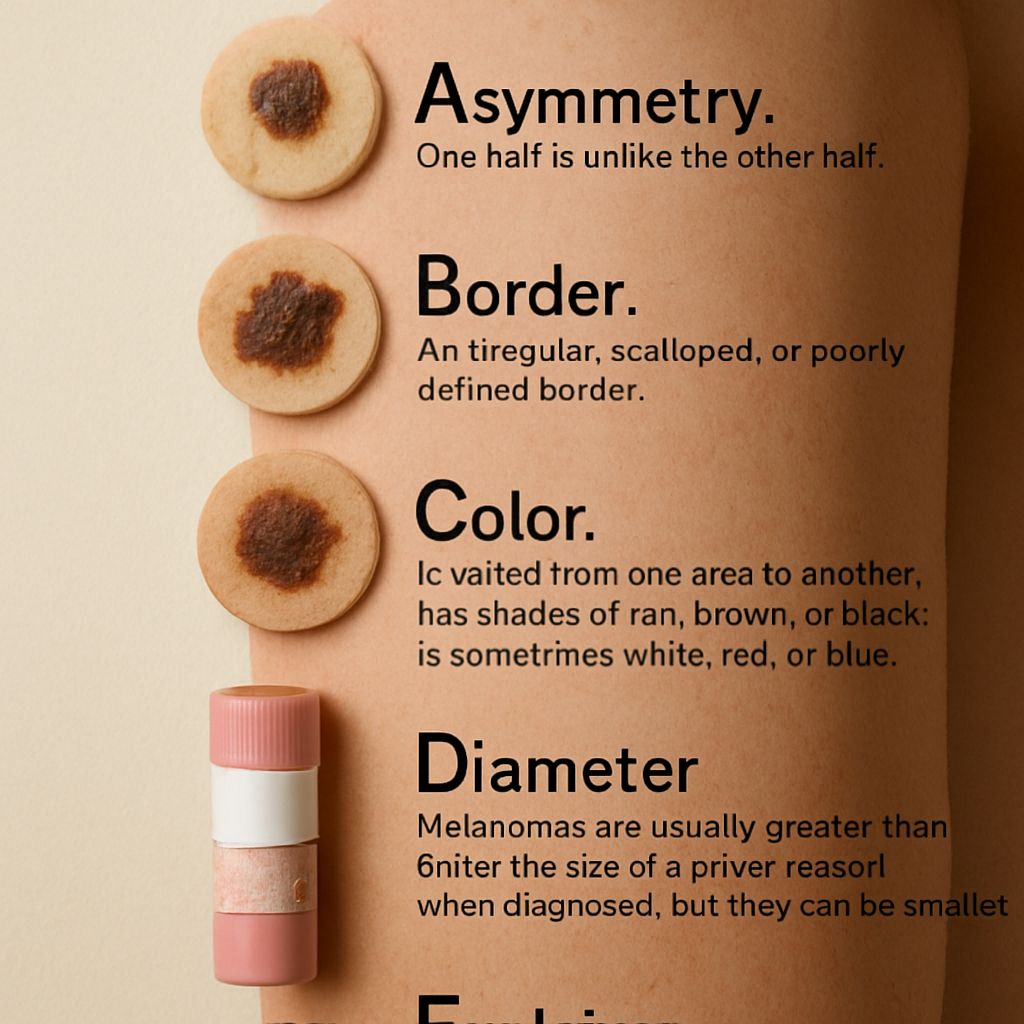
Noticing new moles on skin can cause immediate concern, and that concern is worth taking seriously. While most moles are harmless benign growths, new moles appearing on skin after age 40 or any mole that changes rapidly should be evaluated by a dermatologist. Understanding the types of moles on skin helps you monitor your own body more effectively. A skin colored mole on face may be barely noticeable, while darker or asymmetric types of skin moles carry higher scrutiny under clinical guidelines. This guide explains the full spectrum of mole types, what normal looks like, and the warning signs that warrant professional attention.
Regular self-checks and annual dermatologist visits remain the most effective tools for catching skin changes early, when treatment outcomes are best.
What Are Moles and Why Do They Form?
Moles, medically called nevi (singular nevus), form when melanocytes, the pigment-producing cells of the skin, cluster together rather than distributing evenly. Sun exposure, genetics, and hormonal changes during puberty and pregnancy are the primary drivers. Most people develop between 10 and 40 moles by early adulthood. Moles can be flat or raised, pigmented or nearly flesh-toned, and range from a few millimeters to over a centimeter in diameter.
What Are the Types of Moles on Skin?
Common moles (common acquired nevi) are the most prevalent type. They are usually round, symmetrical, uniform in color, and smaller than a pencil eraser. Congenital moles are present at birth; large congenital nevi carry a slightly elevated lifetime risk of melanoma. Dysplastic nevi (atypical moles) have irregular borders, uneven color, and a larger size than common moles. They are not cancerous, but people who have many of them face a higher statistical risk of developing melanoma. Blue nevi are deep blue or gray-black, caused by melanocytes sitting deep in the dermis. Spitz nevi are pink, raised, and fast-growing, most often appearing in children and young adults. A physician should evaluate any Spitz nevus.
What Is a Skin Colored Mole on Face?
A skin colored mole on face is a nevus that contains little to no melanin pigmentation, making it appear flesh-toned or nearly transparent. These are often raised and can be mistaken for a skin tag. Intradermal nevi, which sit entirely within the dermis rather than at the surface, often present this way. They are generally benign, especially when long-standing and unchanged. New, fast-growing, or bleeding flesh-toned growths on the face should be examined promptly, as amelanotic melanoma (a rare pigment-free cancer) can mimic a benign skin-colored lesion.
Why Are New Moles Appearing on Skin?
New moles on skin are common in children, teenagers, and young adults as normal melanocyte growth. Cumulative sun exposure triggers new moles in sun-exposed areas throughout adulthood. Pregnancy and medications that alter hormone levels can produce new benign moles. However, new moles appearing on skin in people over 40, or any mole that appears suddenly and grows rapidly at any age, should be shown to a dermatologist. The majority will be benign, but rapid new growth is one of the recognized clinical flags for further investigation.
What Is the ABCDE Rule for Moles?
Dermatologists use the ABCDE criteria to evaluate moles for melanoma risk. Asymmetry means one half does not match the other. Border irregularity means edges are jagged, notched, or blurred. Color variation means more than one shade appears within a single mole. Diameter larger than 6 millimeters (about the size of a pencil eraser) warrants closer inspection. Evolving means any change in size, shape, color, elevation, or a new symptom such as bleeding, itching, or crusting. A mole with any one of these features should be evaluated; a mole with multiple features requires prompt attention.
When Should You See a Dermatologist About Moles?
See a dermatologist if a mole itches, bleeds spontaneously, or develops a crust without injury. Moles that change over a period of weeks rather than months also need review. People with a personal or family history of melanoma, more than 50 moles in total, or multiple dysplastic nevi should have full-body skin checks annually. Dermatologists use dermoscopy, a specialized light instrument, to examine moles in far more detail than the naked eye allows. Early-stage melanoma detected and excised before spread is associated with very high cure rates.
Key takeaways: Most new moles on skin are benign, but new moles appearing on skin after 40 or those matching the ABCDE criteria need professional evaluation. Knowing the types of skin moles, including dysplastic and congenital nevi, helps you monitor changes at home. Annual dermatologist skin checks give you the best chance of catching any concerning mole early.





Leave a Reply