
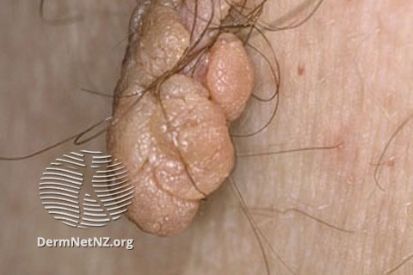
Skin tags on the areola can cause discomfort and self-consciousness, prompting many individuals to seek effective treatment and care. Various factors, such as hormonal changes, genetic predispositions, and lifestyle choices, can contribute to these benign skin growths. Understanding the underlying causes and exploring safe treatment options is essential for effective management.
In addition to skin tags, concerns like the irritation caused by mineral spirits on skin or dealing with dead skin on the tongue demand attention for overall skin health. Furthermore, unconventional methods like using duct tape on skin and the mysterious appearance of witch marks on skin raise questions about safety and efficacy. This article will address these concerns and provide insights into maintaining optimal skin health.
What Causes Skin Tags on Areola?
Hormonal Changes
Hormonal fluctuations, especially those occurring during pregnancy or menopause, can lead to the development of skin tags on the areola. Increased levels of hormones can cause the skin to grow more rapidly, resulting in these small, benign protrusions.
Genetic Factors
A genetic predisposition can also play a significant role in the formation of skin tags. If your close relatives have skin tags, you may be more susceptible to developing them yourself, particularly in areas like the areola where skin friction is common.
Friction and Skin Irritation
Persistent friction from clothing or skin-on-skin contact can irritate the areola, potentially leading to the development of skin tags. Ensuring that your clothing fits well and minimizes irritation may help reduce the likelihood of skin tags forming.
How to Treat Skin Tags on Areola Safely?
Over-the-Counter Solutions
There are several over-the-counter treatments available for safely removing skin tags. These include creams, ointments, and kits designed to dry out the tag, causing it to fall off naturally with time.
Home Remedies
Some individuals prefer natural remedies, such as applying tea tree oil or apple cider vinegar, to manage skin tags. While these methods may be effective for some, it’s essential to ensure skin sensitivity is considered before use.
When to See a Dermatologist
If a skin tag on the areola becomes painful, changes in appearance, or persists despite at-home treatments, consulting a dermatologist is advisable. A professional can offer more precise removal techniques, ensuring minimal discomfort and scarring.
Can Mineral Spirits Affect Your Skin Health?
Potential Risks
Exposure to mineral spirits can cause skin irritation and should be handled with caution. These solvents can strip the skin of its natural oils, leading to dryness and potential allergic reactions.
Safe Usage Guidelines
When using mineral spirits, ensure proper ventilation and wear protective gloves to minimize skin contact. If contact does occur, washing the affected area with soap and water promptly can prevent irritation.
Why Do I Have Dead Skin on My Tongue?
Common Causes
Dead skin on the tongue can result from dehydration, inadequate oral hygiene, or certain medical conditions. The accumulation of dead cells can lead to a white coating that may be concerning for some individuals.
Effective Treatments
Improving hydration, maintaining proper oral hygiene, and using a tongue scraper can often alleviate the buildup of dead skin. If the condition persists, seeking dental advice may be necessary to rule out underlying health issues.
Is Duct Tape a Safe Solution for Skin Tags?
Pros and Cons
Some advocate for using duct tape as a home remedy for removing skin tags. The adhesive can cause the tag to dry out and fall off; however, it may also irritate sensitive skin and is not a scientifically proven method.
Application Tips
Should you choose to try duct tape, ensure the skin is clean and dry before application. Monitor the area for any signs of irritation or adverse reactions, and discontinue use if the skin becomes inflamed.
What Are Witch Marks on Skin and Should I Be Concerned?
Historical Context
Historically, witch marks were believed to be signs of witchcraft and were often harmless skin anomalies like moles or birthmarks. These marks have been associated with various superstitions over centuries.
Modern Interpretations
Today, witch marks are understood to be benign skin features that require no medical treatment. However, if any mark changes in appearance or causes discomfort, it is advisable to consult a dermatologist for reassurance.
Key takeaways: Understanding the causes and treatments of skin tags on the areola is crucial for effective care. Safe handling of mineral spirits and appropriate oral hygiene can prevent related skin issues. While unconventional methods like duct tape may provide temporary solutions, professional consultation remains the best approach for persistent skin concerns.




Leave a Reply