
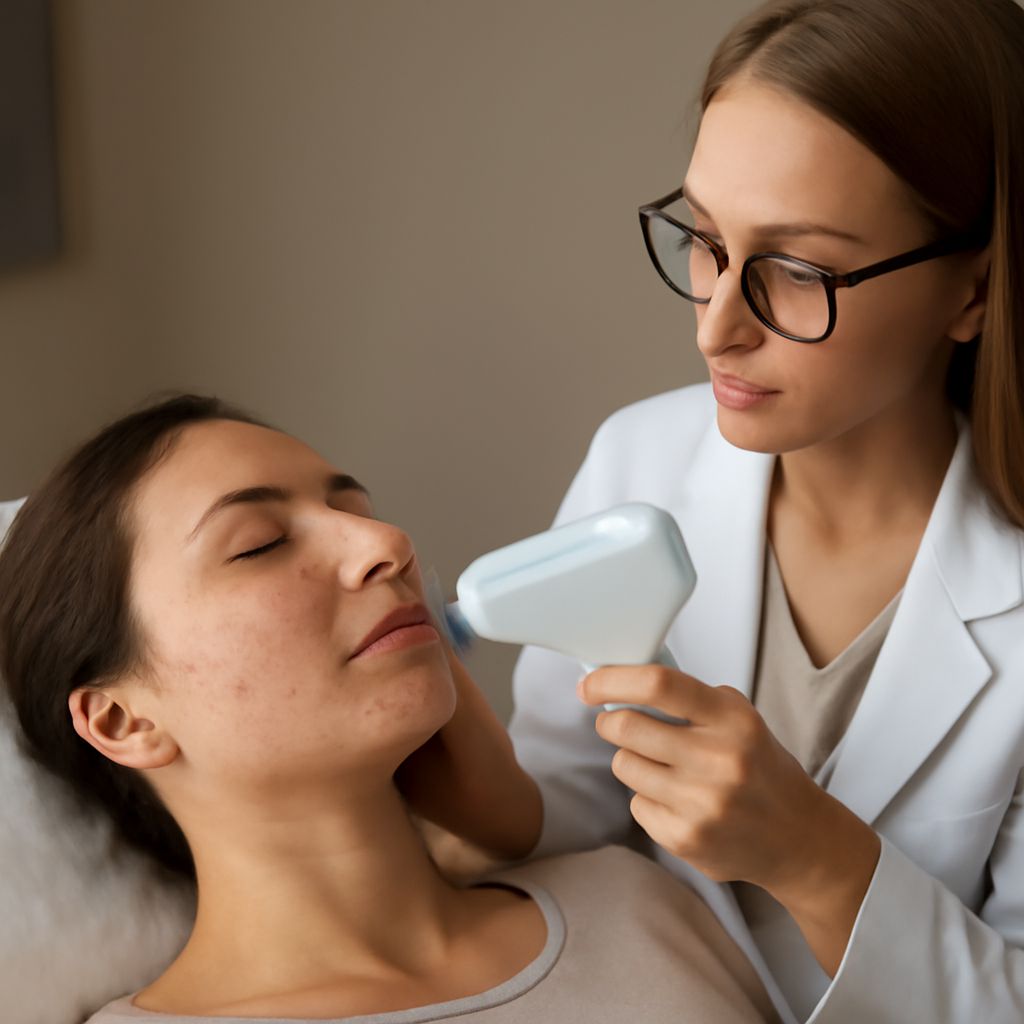
Acne scars can be a persistent reminder of past skin troubles, leaving many individuals searching for solutions. Fortunately, advancements in dermatology have made laser for acne scars a viable option for achieving smoother, clearer skin. As a popular solution, laser resurfacing for acne scars offers significant improvements in skin texture and appearance. If you are considering laser acne removal, understanding the process and what to expect can help you make an informed decision.
This guide explores the intricacies of laser treatment for acne scars, including the effectiveness of various methods and what one can anticipate from the procedure. Whether you’re curious about the types of lasers used or the potential risks involved, this resource provides a detailed overview to aid in your skincare journey.
What is Laser Treatment for Acne Scars?
Understanding the Basics of Laser for Acne Scars
Laser treatment involves using focused light therapy to reduce the visibility of acne scars. By targeting the affected areas, the laser stimulates the skin’s natural healing processes, promoting the growth of new, healthy skin cells.
How Laser Resurfacing Works on Your Skin
Laser resurfacing for acne scars works by removing layers of damaged skin. This process encourages collagen production, which is essential for skin elasticity and healing. Over time, the appearance of acne scars diminishes as the skin surface repairs itself.
Types of Lasers Used in Laser Acne Removal
Different types of lasers can be used depending on the severity and type of acne scars. CO2 lasers are often employed for deeper scars, while erbium lasers are milder and used for surface-level imperfections. Fractional lasers offer a combination of both, delivering effective results with reduced recovery time.
How Effective is Laser for Acne Scars?
Success Rates of Laser Treatment
Laser treatments boast high success rates in reducing the appearance of acne scars. Studies show that patients often experience significant improvements in skin texture, with smoother and more even skin tone.
Before and After: Real Results
Many individuals report visible changes in their skin following laser resurfacing. Before and after photos commonly reveal a marked reduction in scar depth and discoloration, providing a tangible testament to the treatment’s efficacy.
Comparing Laser with Other Treatments
When compared to other treatment options such as chemical peels or microneedling, laser acne removal often delivers faster and more noticeable results. However, each method has its own set of benefits and may be more suited to specific skin types or scar severity.
What to Expect During Laser Resurfacing for Acne Scars
Preparing for the Procedure
Preparation is key to successful laser resurfacing. Patients should avoid sun exposure and discontinue certain skincare products, such as retinoids, prior to the procedure to minimize skin sensitivity.
The Laser Resurfacing Process Explained
The actual procedure typically involves the application of a topical anesthetic to ensure comfort. The laser technician will then direct the laser over the scarred areas, with sessions lasting anywhere from 30 minutes to over an hour, depending on the treatment area.
Post-Procedure Care for Optimal Results
Aftercare is crucial for optimal results. Patients are advised to keep the treated area moisturized and protected from the sun. Mild redness and swelling are common but usually subside within a few days. Adhering to a dermatologist’s care instructions can enhance the healing process.
Are There Any Risks or Side Effects?
Possible Side Effects of Laser Acne Removal
While generally safe, laser treatments can have side effects, including temporary redness, swelling, and in rare cases, skin discoloration or infection. It’s important to follow aftercare guidelines to mitigate these risks.
Minimizing Risks During Treatment
Choosing a qualified professional to perform laser treatments is essential to minimizing risks. A thorough consultation should precede any procedure, allowing the specialist to tailor the treatment to your specific skin type and needs.
Who is a Good Candidate for Laser Acne Removal?
Assessing Your Skin Type
Not all skin types react the same way to laser treatments. Individuals with lighter skin often experience better outcomes, although recent advancements have made it possible for those with darker skin tones to benefit as well, with careful consideration and planning.
Consultation with a Dermatologist
A consultation with a dermatologist can help determine if laser treatment is suitable for your skin type and acne scars. They will assess your skin condition and discuss potential outcomes and expectations.
How Much Does Laser Resurfacing for Acne Scars Cost?
Factors Influencing the Cost of Treatment
The cost of laser resurfacing can vary significantly based on factors such as the type of laser used, the severity of scars, and the geographic location of the clinic. Treatment sessions may range from a few hundred to several thousand dollars.
Insurance and Financing Options
Most insurance plans do not cover cosmetic procedures like laser acne removal. However, many clinics offer financing options or payment plans to help manage the cost. It’s advisable to discuss these options during your initial consultation.
Bottom line: Laser treatment offers a promising solution for reducing acne scars and achieving smoother skin. By understanding the process, potential risks, and costs involved, individuals can make informed decisions about their skincare journey. Consultation with a qualified dermatologist is essential to ensure the best possible outcomes.



Leave a Reply