
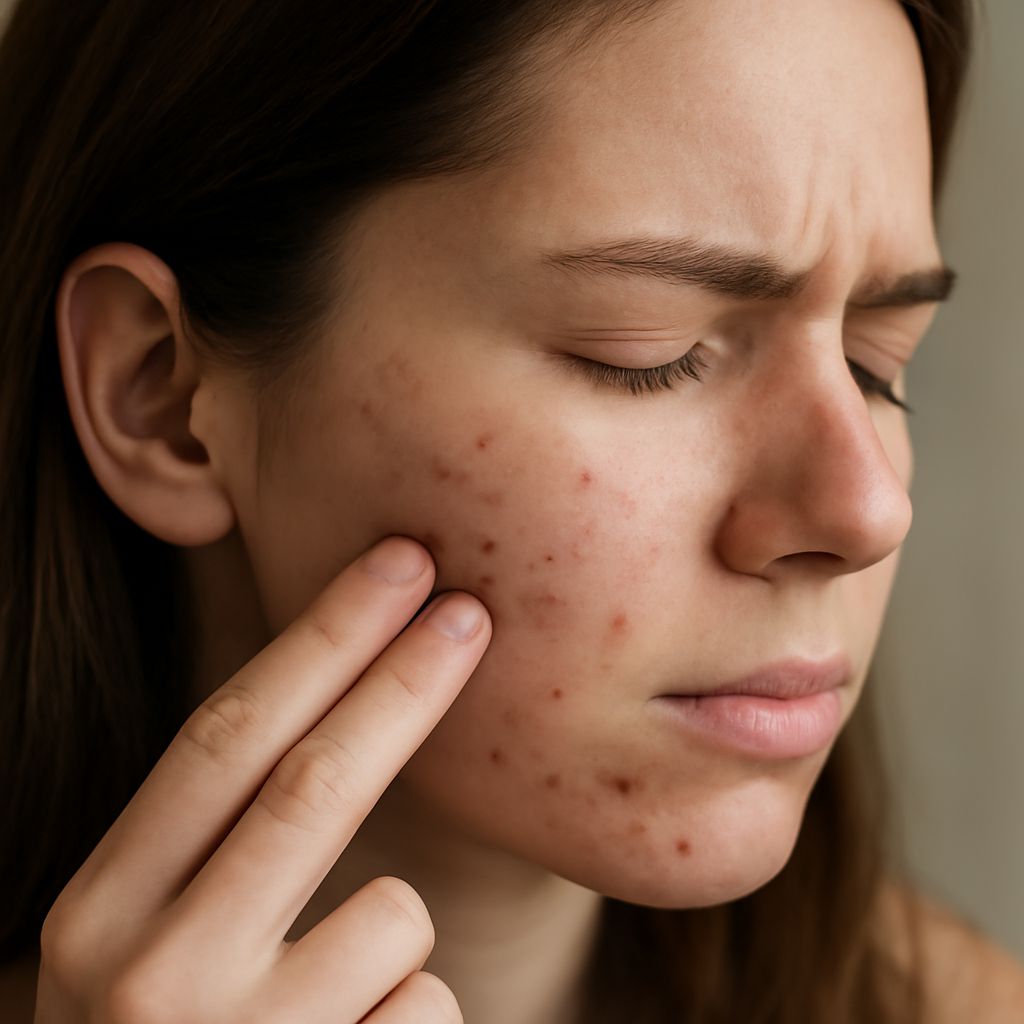
If you’re asking, “Why does my acne itch?” you’re not alone. The itching sensation accompanying acne can range from mildly annoying to intensely irritating. Itchy acne, especially when it appears on the face, can exacerbate the discomfort already caused by acne itself. Understanding why acne itches and finding effective relief is crucial for comfort and skin health. This article will explore the underlying causes of itchy acne and provide strategies for relief and prevention.
Why Does My Acne Itch?
Understanding the Role of Inflammation
The primary reason acne can itch is inflammation. When acne lesions form, they trigger an inflammatory response in the skin. This response is a natural mechanism of the body to fight what it perceives as an intruder—often bacteria trapped within clogged pores. Unfortunately, this inflammation can also lead to an itchy sensation, making acne even more bothersome.
How Skin Irritation Causes Itchy Acne
Skin irritation is another significant factor contributing to itchy acne. Various environmental factors, including pollutants and allergens, can irritate the skin, intensifying the itchiness of existing acne. Using harsh skincare products or aggressive scrubbing can further irritate delicate skin, leading to increased itching.
Common Causes of Itchy Acne
Allergic Reactions and Acne
Allergic reactions can exacerbate itchy acne. When your skin reacts to an allergen—such as certain cosmetics or skincare ingredients—it can cause or worsen acne, making the skin itchy. Identifying and eliminating the allergen is critical to relieving these symptoms.
The Link Between Dry Skin and Itchy Acne
Dry skin is prone to itchiness, and when it coexists with acne, the itching can become severe. Dry conditions strip the skin of natural oils, leading to flakiness and an increased urge to scratch. Maintaining proper hydration can alleviate the dryness and reduce the itch associated with acne.
Sweat and Friction: Triggers for Itchy Acne
Sweat from physical activity or heat can trigger itchy acne. As sweat mixes with dirt and oil on the skin, it can block pores, leading to irritation and zits. Friction from clothing or masks can exacerbate this condition, especially in areas like the face, where acne is prevalent.
How to Treat Itchy Acne Effectively
Topical Treatments for Itchy Acne
Topical treatments are often the first line of defense against itchy acne. Over-the-counter products containing benzoyl peroxide or salicylic acid can reduce inflammation and clear acne, thereby relieving itchiness. For persistent or severe cases, prescription-strength topical treatments may be necessary. Always perform a patch test to ensure these products do not exacerbate skin irritation.
Oral Medications for Severe Cases
In cases where topical treatments are insufficient, dermatologists may prescribe oral medications. Antibiotics can help to reduce inflammation and bacteria, while oral contraceptives may assist in regulating hormones that cause acne. Isotretinoin, a potent retinoid, may be recommended for severe cases, though it has significant side effects and requires medical supervision.
Home Remedies for Itchy Acne Relief
Several home remedies can provide relief from itchy acne. Applying cool compresses can soothe inflamed skin, while ingredients like oatmeal and aloe vera can calm itching and redness. Tea tree oil is noted for its antibacterial properties, though it should be diluted to prevent further irritation.
Preventing Itchy Acne on Face
Daily Skincare Routine to Prevent Itchy Acne
Developing a gentle skincare routine is crucial for preventing itchy acne. Cleansing the face twice daily with a mild cleanser helps to remove excess oil and impurities without stripping moisture. Non-comedogenic moisturizers maintain hydration without clogging pores, helping to prevent dryness and irritation.
The Importance of Hydration
Staying hydrated is vital for skin health. Adequate water intake helps to maintain skin moisture levels, reducing the risk of dryness-related itchiness. Additionally, using a humidifier in dry environments can help keep the skin supple and prevent itchy acne outbreaks.
Dietary Considerations to Reduce Itchy Acne
Your diet can impact your skin condition. Consuming foods rich in omega-3 fatty acids, such as salmon and walnuts, can help reduce inflammation. Limiting intake of high-glycemic foods and dairy may also help control acne and associated itchiness.
When to See a Dermatologist for Itchy Acne
Signs You Need Professional Help
If your itchy acne does not improve with over-the-counter treatments or home remedies, it may be time to consult a dermatologist. Signs that you need professional intervention include severe pain, extensive scarring, or symptoms that worsen over time.
Preparing for Your Dermatologist Visit
Before your dermatologist appointment, keep a record of your symptoms, any treatments you’ve tried, and any potential triggers you’ve identified. This information can help your dermatologist develop a personalized treatment plan to effectively address your itchy acne.
FAQs About Itchy Acne
Can Stress Cause Itchy Acne?
Yes, stress can contribute to itchy acne. Stress increases the production of hormones like cortisol, which can exacerbate acne outbreaks and lead to itching. Managing stress through techniques such as meditation and exercise can help mitigate these effects.
Is Itchy Acne Contagious?
No, itchy acne is not contagious. It is the result of internal and environmental factors affecting your skin. While bacteria play a role in acne development, the condition itself cannot be spread from person to person.
Next Steps
To maintain healthy skin and prevent itchy acne, adhere to a consistent skincare routine, manage stress, and maintain a balanced diet. If symptoms persist or worsen, seek professional advice. Always be cautious with new products, as skin sensitivity varies between individuals, and improper use can lead to irritation or exacerbation of symptoms.



Leave a Reply