
Changes to skin color and texture often signal something happening internally or externally. Yellow skin on feet can indicate anything from simple callus buildup to liver or systemic conditions. Similarly, alcohol skin rash pictures and searches around alcohol on skin reflect how common it is for drinking habits to manifest visibly. Yellow skin on the bottom of feet has some specific causes that differ from yellowing elsewhere. And understanding alcohol effects on skin photos and patterns helps connect lifestyle to visible changes.
This article addresses both topics in depth, with particular attention to when yellowing or rash symptoms warrant medical evaluation.
What Causes Yellow Skin on the Feet and Soles
Yellow skin on the bottom of feet is most commonly caused by thick calluses. Calluses are layers of dead skin that build up in areas of repeated friction or pressure. When thick enough, they take on a yellowish tint because of the keratin density. This is harmless and typically managed with regular moisturizing and gentle exfoliation.
Carotenemia
Another benign cause is carotenemia, a condition where excess beta-carotene accumulates in the skin, turning it yellowish. This happens with high consumption of carrots, sweet potatoes, squash, and other carotene-rich foods. The discoloration is more pronounced on the palms and soles, where the skin is thicker. It’s harmless and resolves when dietary intake normalizes.
Jaundice
Jaundice, however, is a more serious cause of yellowing. It occurs when bilirubin, a waste product from red blood cell breakdown, accumulates in the body. The eyes (sclera) typically yellow first, followed by the skin. Jaundice indicates liver, gallbladder, or bile duct issues and requires prompt medical evaluation.
If the yellowing appears in the whites of your eyes alongside yellow skin on your feet or elsewhere, see a doctor promptly rather than waiting.
When Is Yellow Skin a Sign of a Systemic Condition
Beyond jaundice, yellow skin can indicate:
- Liver disease (hepatitis, cirrhosis, liver failure)
- Pancreatic conditions
- Bile duct obstruction
- Hypothyroidism (in some cases)
- Kidney disease (uremic frost in severe cases)
Yellow skin from systemic causes typically affects more than just the feet. If yellowing is isolated to thickened sole skin and there are no other symptoms, calluses or carotenemia are more likely. If yellowing is widespread, accompanied by fatigue, abdominal pain, dark urine, or pale stools, seek medical care.
What Do Alcohol-Related Skin Rashes Look Like
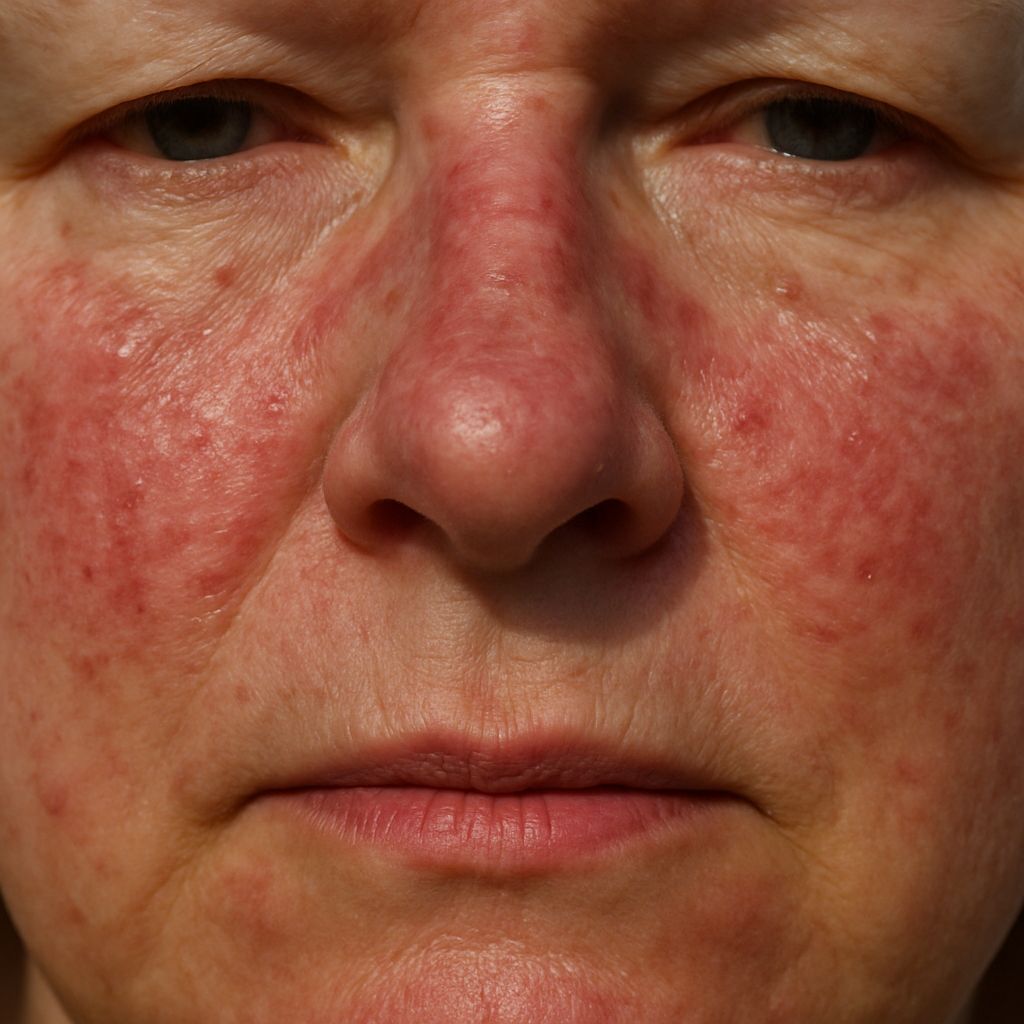
Alcohol on skin can trigger several types of visible reactions. Alcohol skin rash patterns vary based on the underlying mechanism.
Flushing: a rapid reddening of the face, neck, and upper chest triggered by alcohol consumption. This is especially common in people with an ALDH2 gene variant (common in East Asian populations) who cannot metabolize acetaldehyde efficiently. It presents as diffuse redness rather than a true rash.
Rosacea flare: alcohol is a well-known rosacea trigger. People with rosacea experience increased redness, visible vessels, and sometimes pustules after drinking. This effect can be seen in alcohol effects on skin photos from rosacea-focused dermatology resources.
Allergic or intolerance reactions: some people react to specific components in alcoholic drinks (sulfites in wine, gluten in beer) rather than ethanol itself. These reactions can cause hives, general flushing, or eczema-like patches.
How Does Chronic Alcohol Use Affect Skin Overall
Long-term alcohol consumption has well-documented effects on skin health. Alcohol is a diuretic, so chronic use dehydrates the body and skin. Dehydrated skin appears duller, shows fine lines more prominently, and heals more slowly.
Alcohol also depletes B vitamins, vitamin C, and zinc, all of which are important for collagen production, wound healing, and skin cell turnover. Over time, nutritional deficiencies from heavy drinking contribute to dull, aging-looking skin.
Liver damage from heavy drinking shows up in the skin as jaundice, spider angiomas (small, spider-shaped blood vessel clusters), and palmar erythema (red palms). These visible skin signs often lead doctors to investigate liver function.
Does Applying Alcohol Topically Harm Skin
Isopropyl or rubbing alcohol applied topically is drying and disrupts the skin barrier. Occasional use for wound disinfection is fine, but routine use as a toner or cleaning agent strips natural oils and can cause dryness, irritation, and increased sensitivity over time. Many skincare products contain small amounts of alcohol as a preservative or texture agent, which is generally tolerable. High concentrations applied repeatedly are the concern.
When Should You See a Doctor About Skin Changes from Alcohol
See a doctor if: yellow skin appears in your eyes or spreads beyond the feet; rashes from alcohol are severe, spreading, or accompanied by difficulty breathing; skin changes appear alongside fatigue, abdominal swelling, or significant weight changes. These patterns suggest systemic involvement rather than surface-level reactions.
Bottom line: Yellow skin on feet is often simple callus buildup or dietary carotenemia, but widespread yellowing warrants medical attention. Alcohol effects on skin range from dehydration and premature aging to rosacea flares and jaundice from liver damage. Any skin changes accompanying other symptoms should be evaluated by a healthcare provider.




Leave a Reply