
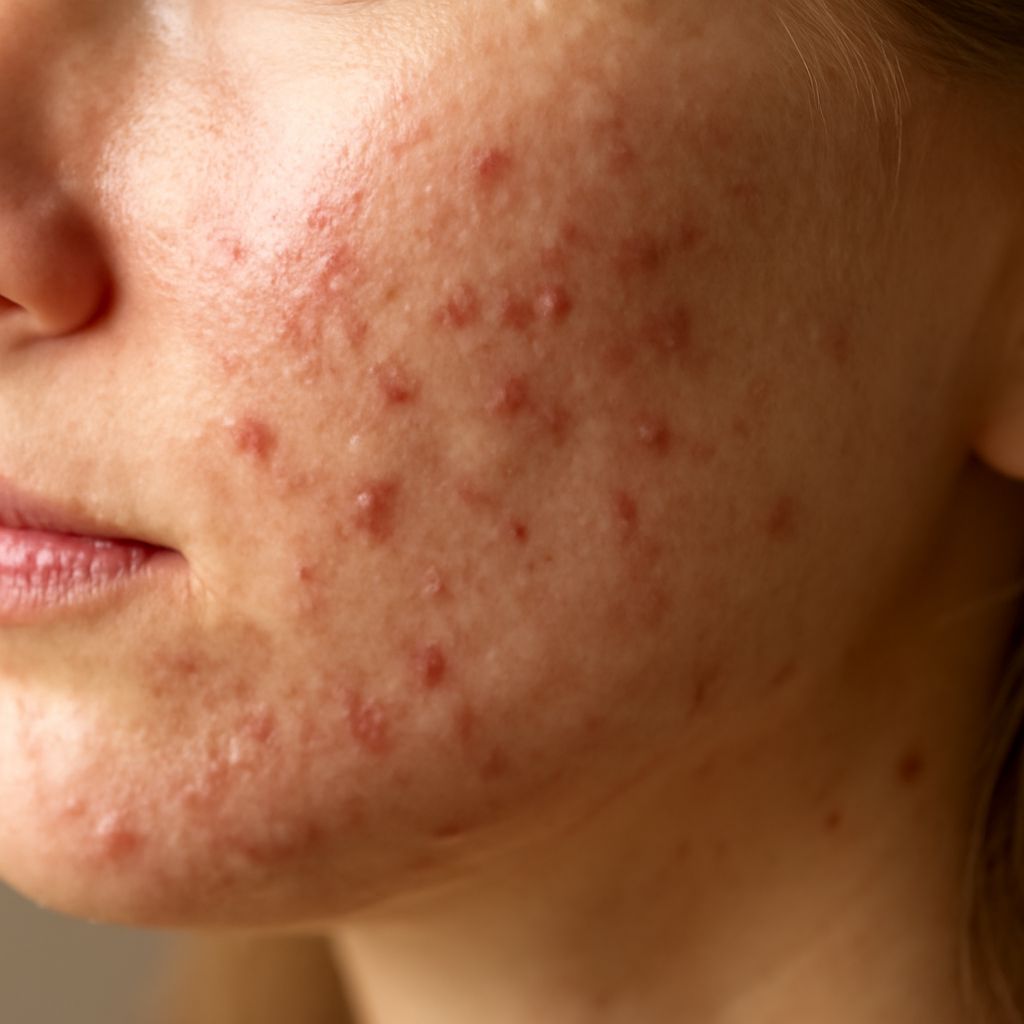
Biotin, often hailed as a miracle supplement for hair, skin, and nails, has become increasingly popular among beauty enthusiasts. However, concerns have arisen regarding whether biotin can cause acne, leading many to question its safety and efficacy for skin health. While the vitamin offers numerous benefits, it’s crucial to understand how it may inadvertently contribute to acne breakouts.
Understanding the potential link between biotin and acne can help you make informed decisions about your skincare routine. This article will explore why biotin might lead to acne, examine the side effects of biotin, and offer guidance on managing your skin’s wellbeing. Let’s delve into the fascinating connection between biotin and acne to ensure you can safely enjoy its benefits.
What is Biotin and How Does it Function?
Overview of Biotin
Biotin, also known as vitamin B7, is a water-soluble vitamin that plays a vital role in the body’s metabolic processes. It assists in converting food into energy by supporting the metabolism of carbohydrates, fats, and proteins. Biotin is naturally found in foods like eggs, nuts, and whole grains, but it is also available as a dietary supplement.
Benefits of Biotin
Biotin is renowned for its ability to enhance the health of hair, skin, and nails. It is believed to strengthen keratin, a key protein in these structures, leading to faster hair growth, smoother skin, and stronger nails. Despite these benefits, some individuals report experiencing biotin side effects, such as acne, when taking high doses of the vitamin.
Can Biotin Cause Acne and Why?
The Potential Link Between Biotin and Acne
While biotin itself does not directly cause acne, it may contribute to breakouts in certain circumstances. One theory is that high levels of biotin can lead to an imbalance with other B vitamins, particularly vitamin B5, which is essential for skin health. This imbalance may trigger acne in individuals who are sensitive to changes in vitamin levels.
Reasons Why Biotin May Cause Acne
Another reason why biotin might cause acne is due to its effect on the skin’s oil production. Biotin can increase sebum production, which, when combined with dead skin cells and bacteria, can block pores and lead to acne development. Individuals who are predisposed to oily skin may be more susceptible to this biotin-related acne.
Understanding Biotin Side Effects: Acne and Beyond
Common Side Effects of Biotin
Aside from acne, other potential biotin side effects include allergic reactions, digestive issues, and interactions with laboratory tests. Allergic reactions to biotin are rare but can occur, leading to symptoms such as rashes or itching. Digestive problems, such as nausea or cramps, may also arise, particularly with high biotin doses.
How Biotin Can Affect Skin Health
Biotin’s effect on skin health is complex. While it can improve the skin’s appearance by enhancing hydration and smoothness, excessive amounts may exacerbate acne symptoms in some individuals. Those who experience negative skin reactions often find relief by reducing their biotin intake and focusing on maintaining a balanced diet.
Managing Acne While Taking Biotin
Tips to Reduce Acne Risk
To manage acne while enjoying the benefits of biotin, consider the following tips: limit your biotin dosage to the recommended daily amount, maintain a balanced intake of all B vitamins, and ensure proper skincare hygiene. Incorporating a gentle cleanser and non-comedogenic moisturizer can help minimize breakouts.
Alternatives to Biotin
If biotin consistently causes acne for you, consider alternatives such as collagen supplements or vitamin D, both known for their skin-enhancing properties. Consulting with a dermatologist can provide personalized advice tailored to your skin type and needs.
Safety Recap: While biotin has many benefits, be mindful of its potential to cause acne and other side effects. Always adhere to recommended dosages and consult a healthcare provider if you experience adverse reactions. Proper skin care and balanced nutrition are key to maintaining healthy skin while using supplements.




Leave a Reply