
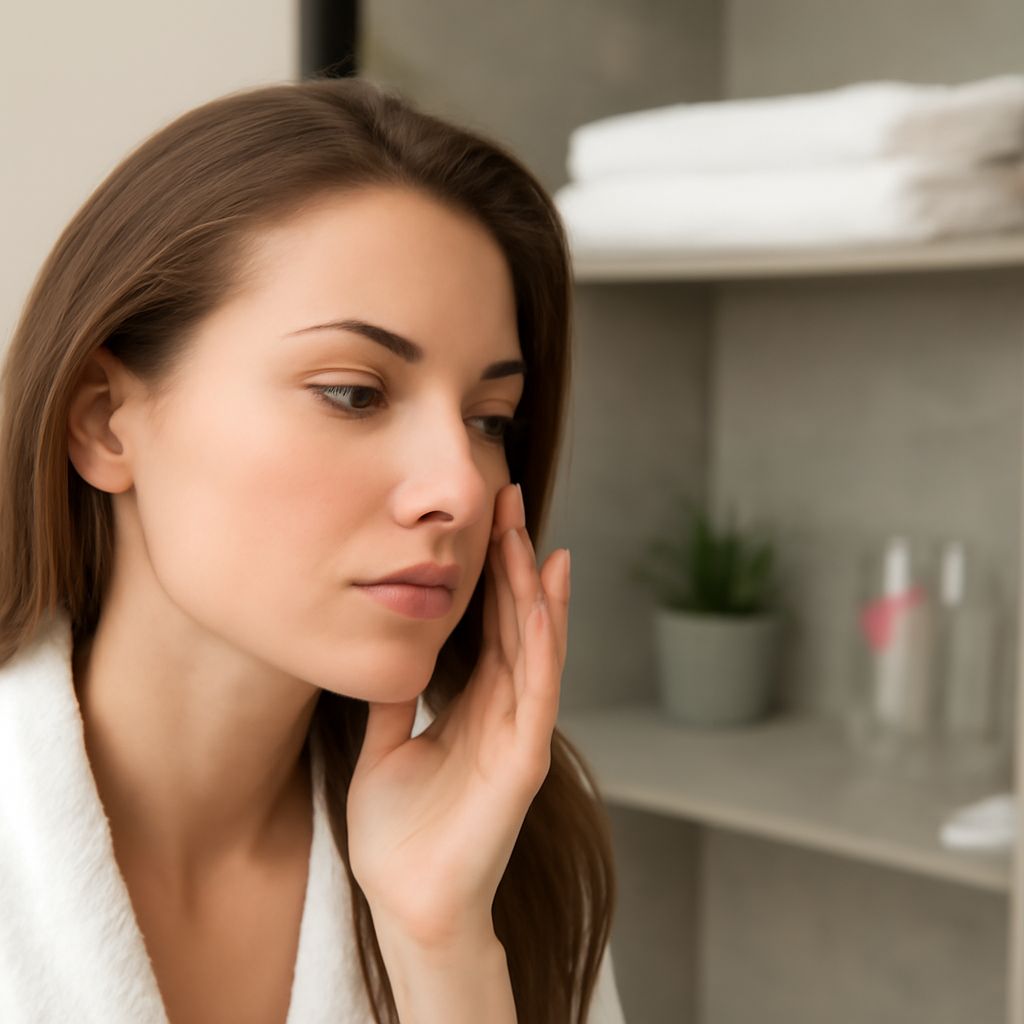
Acne is a common skin condition that affects millions worldwide, often prompting individuals to seek a myriad of solutions. One such solution that frequently comes into question is biotin. While biotin, a B-vitamin, is celebrated for its role in fostering healthy hair and nails, its relationship with acne is less clear-cut. Does biotin cause acne, or does it help in its treatment? Understanding the intricacies of biotin’s role in skin health is crucial for those who struggle with acne and seek effective remedies.
Biotin and acne share a complicated relationship that has sparked various discussions and studies. Some people report that taking biotin supplements led to clearer skin, while others have experienced breakouts. This article delves into understanding whether biotin is a friend or foe in the battle against acne, unraveling myths and presenting scientifically-backed information.
What is Biotin and How is it Related to Acne?
Understanding Biotin and Its Functions
Biotin, also known as vitamin B7, plays a vital role in converting food into energy and maintaining the health of hair, skin, and nails. It’s a water-soluble vitamin, meaning it cannot be stored in the body and must be consumed regularly through diet or supplements.
The Role of Biotin in Skin Health
Biotin contributes to skin health by supporting the production of fatty acids that nourish the skin. A deficiency in biotin might lead to skin problems, but the exact mechanism of how it directly affects acne is not fully understood.
Why Biotin is Often Linked to Acne
Biotin and acne are often linked due to the potential for biotin to interfere with the absorption of other vitamins, such as pantothenic acid (vitamin B5), which plays a key role in skin health. An imbalance between these two vitamins might contribute to acne formation.
Can Biotin Cause Acne?
Biotin and Hormonal Changes
Some theories suggest that biotin might affect hormonal balance, potentially leading to acne in some individuals. Hormonal fluctuations are a known trigger for acne, and any supplement affecting hormones could theoretically influence acne development.
Scientific Studies on Biotin Causing Acne
Research on biotin causing acne is limited. Some studies suggest that high doses of biotin may lead to a decrease in the skin’s ability to produce anti-inflammatory agents, potentially exacerbating acne. However, more comprehensive studies are needed to establish a definitive link.
Personal Experiences with Biotin and Acne
Many individuals report varied experiences with biotin and acne. While some swear by its positive effects on skin clarity, others find it aggravates their acne. These anecdotal experiences underscore the need for personalized approaches to acne treatment.
Does Biotin Help in Acne Treatment?
Potential Benefits of Biotin for Acne
Biotin might help in acne treatment by supporting overall skin health and reducing inflammation. By ensuring adequate intake, individuals might experience an improvement in skin texture and reduction in acne symptoms.
Biotin and Other Vitamins for Skin Health
Combining biotin with other vitamins, such as vitamin A, C, and E, can enhance skin health. These vitamins work synergistically to reduce inflammation, promote collagen production, and enhance the skin’s barrier function.
How Does Biotin Affect Different Skin Types?
Biotin’s Impact on Oily Skin
For those with oily skin, biotin may help regulate sebum production, potentially reducing the occurrence of acne. However, individuals should monitor their skin’s response to biotin supplementation.
Biotin and Sensitive Skin
Sensitive skin types might react differently to biotin. It’s essential to start with low doses and observe any changes in skin condition, as sensitivity can lead to unexpected reactions.
What are the Alternatives to Biotin for Acne?
Other Vitamins and Minerals for Healthy Skin
While biotin is popular, other nutrients like zinc, omega-3 fatty acids, and probiotics are known to support skin health and combat acne. These provide alternative solutions for individuals who find biotin ineffective or problematic.
Lifestyle Changes to Improve Acne
In addition to dietary supplements, lifestyle changes such as reducing stress, maintaining a balanced diet, and practicing good skincare routines can significantly improve acne symptoms.
How to Safely Include Biotin in Your Diet?
Recommended Dosage of Biotin
While there’s no established daily requirement for biotin, a typical dosage ranges from 30 to 100 micrograms per day for adults. Exceeding these amounts without medical supervision can lead to unwanted side effects.
Biotin-Rich Foods and Supplements
Biotin can be found naturally in foods such as eggs, nuts, seeds, and leafy greens. For those considering supplements, it’s important to choose reputable brands and consult with a healthcare provider, especially if you have underlying health conditions.
Next steps: To effectively manage acne while incorporating biotin, it’s important to monitor your skin’s response and adapt your regimen accordingly. Continual assessment and consultation with dermatologists can ensure a balanced approach to skincare. Always remember, introducing any new supplement should be done cautiously and preferably under professional guidance to avoid adverse effects.


Leave a Reply