
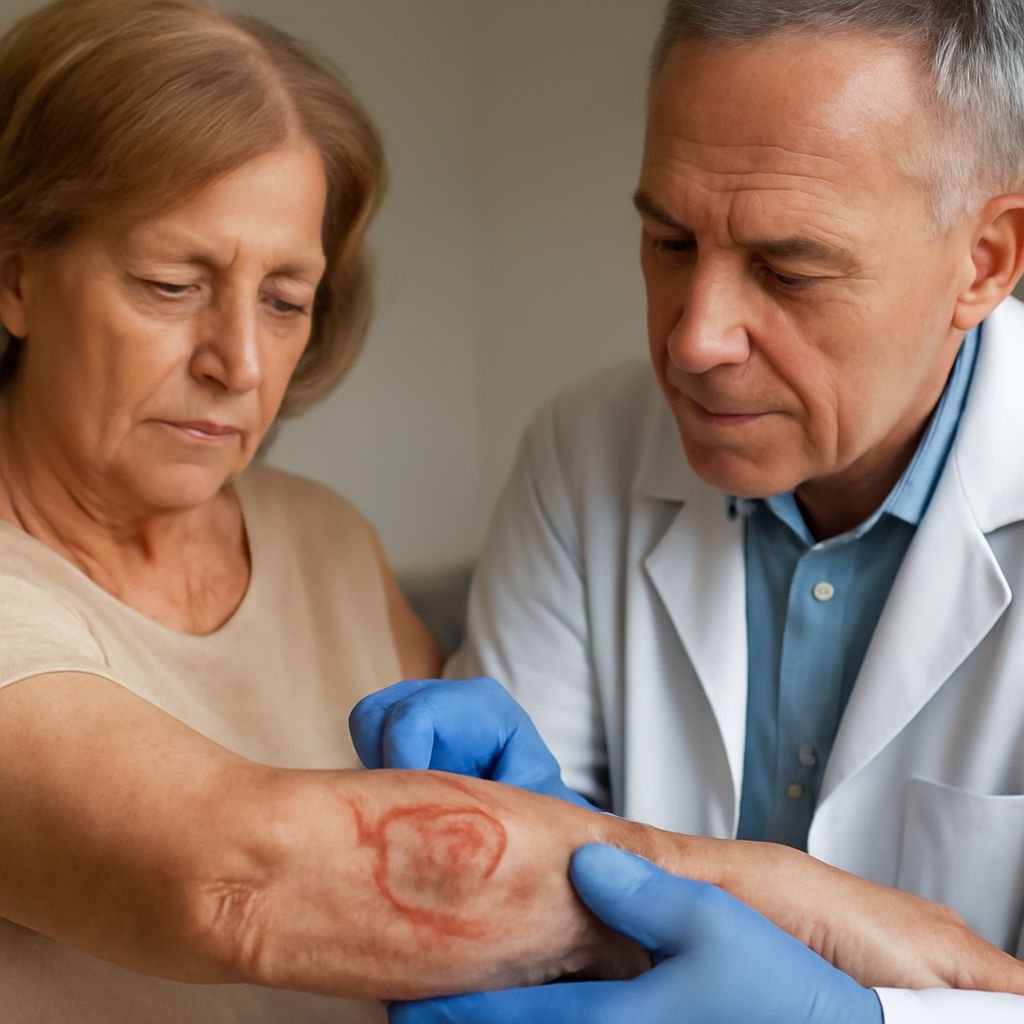
Undergoing a skin graft procedure can be a daunting experience for many. Knowing what to expect during the skin graft healing stages can provide much-needed reassurance and help individuals prepare for the recovery journey. This comprehensive guide delves into the three distinct stages of healing, discusses how long it typically takes for a skin graft to heal, and examines what a skin graft looks like while healing, offering valuable insights for patients and caregivers alike.
Whether you’re curious about the process, the timeframe, or the appearance of a healing graft, this article covers all aspects of skin graft recovery. Understanding these elements can aid in setting realistic expectations and recognizing the signs of healthy or unhealthy healing. Let’s explore these key facets of skin graft recovery in detail.
What Are the Three Stages of Skin Graft Healing?
Initial Stage of Skin Graft Healing The initial stage of skin graft healing typically begins immediately after surgery. During this phase, the primary focus is on the attachment of the graft to the wound bed. This is a critical time when the body works to establish blood flow to the new tissue, ensuring that it receives necessary nutrients and oxygen. Patients may notice some swelling and redness, which are normal and indicate the body’s natural healing response.
It is essential during this stage to follow post-operative care instructions carefully to avoid complications. Keeping the area clean, dry, and protected from any pressure or friction can significantly influence the success of the graft attachment.
Intermediate Stage of Skin Graft Healing
The intermediate stage usually occurs a few days to a couple of weeks post-operation. At this point, the graft starts to adhere more firmly to the underlying tissue, and blood supply becomes more stable. This stage is crucial for ensuring the graft’s long-term survival and integration into the surrounding skin.
During this time, patients should observe the graft for any signs of infection or unusual changes, such as excessive swelling or increased redness. Regular follow-up appointments with a healthcare provider are vital to monitor progress and address any concerns promptly.
How Long Does It Take for a Skin Graft to Heal?
Factors Affecting Skin Graft Healing Time The duration of skin graft healing can vary widely depending on several factors. These include the patient’s overall health, the type and size of the graft, the location of the graft on the body, and adherence to post-operative care guidelines. For instance, individuals with conditions like diabetes or those who smoke may experience slower healing times due to impaired circulation and other health challenges.
Other factors that can affect healing time include the presence of any infection, the quality of the wound bed, and the technique used by the surgical team. Each of these elements plays a role in how quickly and effectively the graft will heal.
Typical Skin Graft Healing Timeline
In general, the complete healing process for a skin graft can take several weeks to months. While the initial healing may be noticeable within a few weeks, with the graft integrating and blood supply stabilizing, full maturation can take much longer. This extended timeline is necessary for the graft to strengthen and blend seamlessly with the surrounding tissue.
It’s important for patients to remain patient and diligent in their care routines, recognizing that healing is a gradual process. Keeping in close contact with healthcare providers can ensure that any emerging issues are addressed swiftly, helping to maintain the health of the graft.
What Does a Skin Graft Look Like While Healing?
Appearance Changes During Healing As a skin graft heals, its appearance will undergo several changes. Initially, the graft may appear red and swollen, which is a normal part of the body’s healing response. Over time, the redness typically fades, and the graft begins to look more like the surrounding skin.
Patients might also notice some textural changes, such as ridges or slight elevation, as the graft settles and integrates with the existing skin. These changes are generally temporary and will diminish as healing progresses.
Signs of Healthy vs. Unhealthy Healing
Recognizing the difference between healthy and unhealthy graft healing is crucial. Healthy healing is usually characterized by gradual improvement in appearance, minimal pain, and the absence of unusual discharge or odor. The graft should become progressively more similar to the adjacent skin in color and texture.
Conversely, unhealthy healing may present with signs such as persistent redness, warmth, significant swelling, or discharge. These symptoms could indicate an infection or graft rejection, both of which require prompt medical attention. Patients should be encouraged to consult their healthcare provider if they notice any concerning changes.
Key takeaways: Understanding the skin graft healing process is vital for patients to manage expectations and recognize potential concerns. The healing journey involves several stages, each with unique characteristics and challenges. By keeping informed and closely following medical advice, patients can promote a successful recovery and achieve the best possible outcomes. Safety note: Always heed medical advice regarding wound care and avoid self-diagnosing any issues during the healing process.



Leave a Reply