
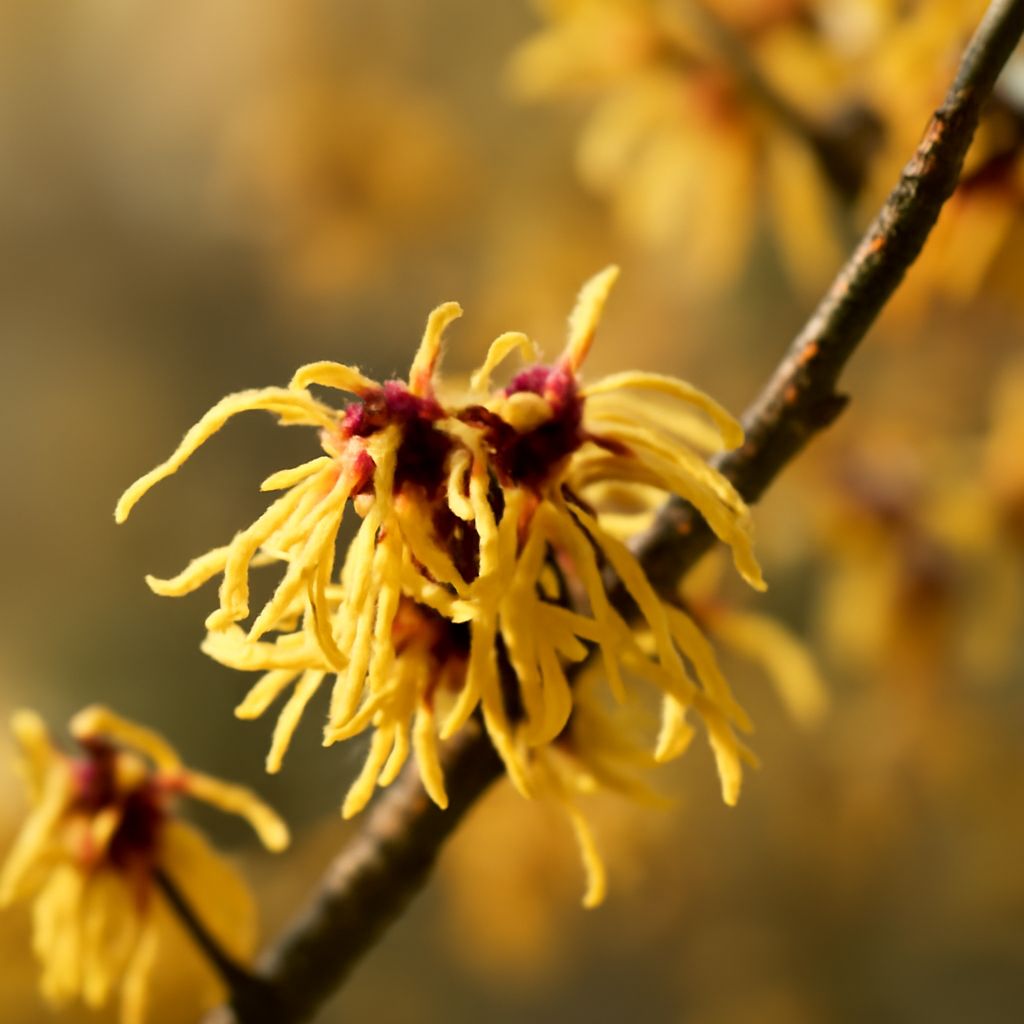
Acne is a common skin condition that affects millions of people worldwide, often leading to a search for effective solutions. One such remedy that has gained popularity is witch hazel, an astringent derived from the leaves and bark of the North American shrub Hamamelis virginiana. Many wonder, does witch hazel help acne, and if so, how effective is it? This article delves into the benefits and potential drawbacks of using witch hazel for acne, offering insights into how to use it effectively to achieve clearer skin.
Understanding whether witch hazel on acne truly works involves assessing its properties and effects on the skin. From its anti-inflammatory and antioxidant attributes to its ability to control oil and tighten pores, witch hazel is touted as a natural solution for reducing acne symptoms. However, it is essential to consider individual skin types and potential side effects to ensure safe and effective use.
What Are the Benefits of Witch Hazel for Acne?
Anti-inflammatory Properties
Witch hazel is renowned for its anti-inflammatory properties, which can help soothe irritated skin and reduce the redness associated with acne. This natural extract can aid in calming inflamed skin, making it a popular choice for those struggling with acne-related discomfort.
Antioxidant Effects
The antioxidants present in witch hazel are beneficial for overall skin health. These compounds can help neutralize free radicals, potentially reducing oxidative stress and damage that can exacerbate acne. By incorporating witch hazel into your skincare routine, you may help protect your skin from environmental aggressors.
Oil Control and Pore Tightening
For those with oily skin, witch hazel can be particularly beneficial. Its astringent properties help control excess oil production, which is often a contributing factor to acne breakouts. Additionally, witch hazel can tighten pores, reducing the likelihood of clogging and subsequent breakouts.
How Does Witch Hazel Help with Acne?
Reducing Redness and Swelling
Applying witch hazel to acne-prone areas can help diminish redness and swelling, two common symptoms of acne. The soothing nature of witch hazel makes it a gentle option for those looking to reduce the visible signs of blemishes.
Clearing Pores and Preventing Breakouts
By removing excess oil and impurities from the skin, witch hazel can help clear clogged pores and prevent future breakouts. Its pore-tightening ability further supports maintaining a clearer complexion, making it a valuable addition to acne treatment plans.
How to Use Witch Hazel for Acne Effectively
Choosing the Right Product
When selecting a witch hazel product for acne, opt for formulations that are alcohol-free to avoid unnecessary dryness. Look for high-quality, natural products with minimal additives to ensure you are getting the full benefits of witch hazel without irritation.
Application Tips and Techniques
For optimal results, apply witch hazel to clean, dry skin using a cotton pad. Gently dab the affected areas, allowing the witch hazel to absorb fully into the skin. Incorporate this step into your skincare routine after cleansing and before moisturizing for best results.
Can Witch Hazel Be Used on All Skin Types?
Sensitive Skin Considerations
Individuals with sensitive skin should approach witch hazel with caution. Although generally safe, some may experience irritation. Conduct a patch test before widespread use, and discontinue if any adverse reactions occur.
Combining Witch Hazel with Other Treatments
Witch hazel can complement other acne treatments, such as salicylic acid or benzoyl peroxide. However, it is crucial to avoid overloading the skin with too many active ingredients, which may cause irritation. Balance is key in developing an effective acne management plan.
What Are the Possible Side Effects of Using Witch Hazel on Acne?
Skin Irritation
Although rare, some individuals may experience skin irritation when using witch hazel. Signs of irritation include redness, itching, or stinging. If these symptoms occur, discontinue use immediately and consult a dermatologist if necessary.
Dryness and Overuse
Overusing witch hazel can lead to dryness, particularly for those with naturally dry skin. To prevent this, limit application to affected areas and avoid excessive use. Moisturizing after application can help maintain skin hydration.
What Do Experts Say About Witch Hazel and Acne?
Dermatologist Opinions
Many dermatologists recognize the potential benefits of witch hazel for acne due to its natural anti-inflammatory and astringent properties. However, they also emphasize the importance of using it as part of a comprehensive skincare routine tailored to individual needs.
Scientific Studies and Findings
Scientific research on witch hazel suggests its effectiveness in reducing inflammation and controlling oil production, both of which are beneficial for acne management. While further studies are needed to fully understand its role in acne treatment, existing evidence supports its use as a complementary therapy.
Key takeaways: Witch hazel offers multiple benefits for acne due to its anti-inflammatory and astringent properties. While it can be effective in managing acne symptoms, it is important to use it appropriately and consider individual skin sensitivities. Consulting with a dermatologist can help tailor the best acne treatment plan using witch hazel.



Leave a Reply