
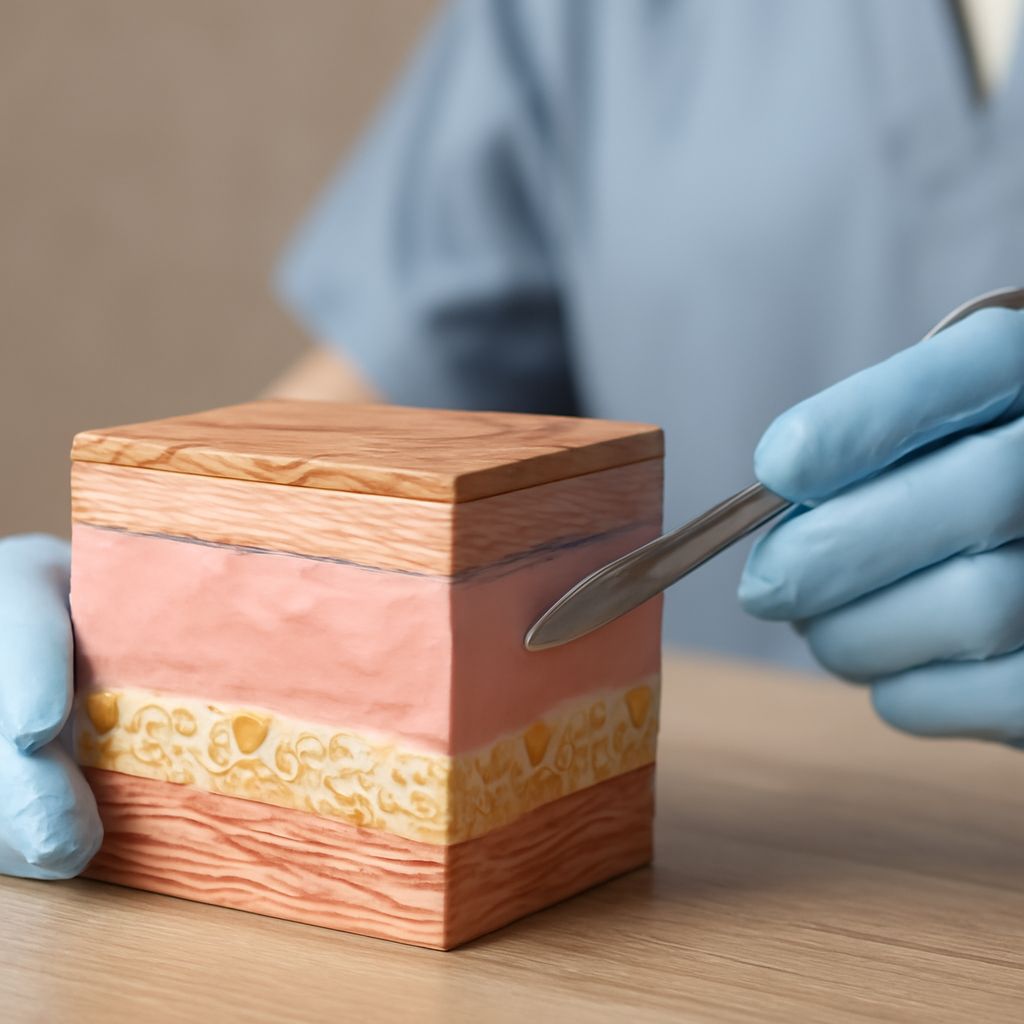
The surgical repair of the skin, known as skin graft surgery, is a critical medical procedure that addresses various skin issues. From severe burns to chronic wounds, this surgery involves the application of different types of skin grafts to restore the skin’s integrity. In this guide, we will explore the skin graft procedure in detail, highlighting which procedure is also known as a skin graft. By understanding the specific needs and solutions provided by skin grafts, patients can better prepare for surgery and recovery.
What is Skin Graft Surgery?
Definition of Skin Graft Surgery
Skin graft surgery is a medical procedure where a section of skin is transplanted from one area of the body to another. The primary goal is to aid in the healing of extensive wounds by providing a new covering that promotes natural recovery.
Importance of Skin Graft Surgery
This procedure is essential for individuals with significant skin loss due to injuries or medical conditions. It helps restore the skin’s appearance, reduces the risk of infection, and can improve functionality, thereby enhancing the patient’s overall quality of life.
Why is Surgical Repair of the Skin Needed?
Common Reasons for Skin Graft Surgery
Surgical repair of the skin may be needed for several reasons, including severe burns, traumatic injuries, surgical removal of skin cancers, and chronic ulcers. Each of these situations creates challenges that skin grafts can effectively address.
Benefits of Surgical Repair of the Skin
Skin grafting offers numerous benefits, such as accelerated healing, reduced scarring, and decreased pain. Additionally, it provides aesthetic improvements and restores the protective barrier of the skin, which is vital for overall health.
What Are the Different Types of Skin Grafts?
Autografts
An autograft involves transplanting the patient’s own skin from a donor site to the affected area. This type is preferred for its compatibility and lower risk of rejection.
Allografts
Allografts use skin from a donor, typically a cadaver, which is temporarily placed on the wound. While it eventually needs replacement, it serves as a crucial temporary solution, especially in emergencies.
Xenografts
Xenografts involve skin from another species, often pigs. While not permanent, they help protect the wound and encourage natural healing.
Synthetic Skin Grafts
Synthetic options combine artificial materials to mimic skin layers, offering an alternative for those who may not use biological grafts. They are continually evolving, providing more versatile solutions in modern medicine.
How is the Skin Graft Procedure Performed?
Pre-Operative Preparations
Before surgery, patients undergo evaluations to assess their overall health and the extent of the wound. Proper preparation is crucial to minimize risks and ensure a successful procedure.
Step-by-Step of the Skin Graft Procedure
The procedure begins with anesthesia, followed by harvesting the skin from a donor site. Next, the graft is carefully placed on the recipient site and secured with sutures or staples. The area is then dressed to protect it during healing.
Post-Operative Care
Post-operative care involves monitoring for complications, maintaining cleanliness, and following up with healthcare providers. Proper care is vital to prevent infection and promote successful integration of the graft.
Which Procedure is Also Known as a Skin Graft?
Understanding the Terminology
While “skin graft” is a common term, it encompasses various specific procedures involving different types of grafts. Each type serves different purposes and is selected based on the patient’s unique needs.
Common Synonyms for Skin Graft Procedures
Terms like “dermal graft” or “tissue transplant” might also refer to skin graft procedures. Understanding these can help patients communicate effectively with medical professionals.
What Are the Risks and Complications of Skin Graft Surgery?
Short-Term Risks
Short-term risks may include bleeding, infection, and graft failure. These are addressed with proper surgical techniques and vigilant post-operative care.
Long-Term Complications
Potential long-term issues include scarring, changes in skin sensation, and graft rejection. Continuous monitoring and consultations with healthcare providers can mitigate these risks.
How to Minimize Risks
Minimizing risks involves adhering to medical advice, maintaining hygiene, and promptly addressing any signs of complications. Patients are encouraged to communicate openly with their surgeons to ensure optimal outcomes.
How to Choose the Right Type of Skin Graft?
Factors to Consider
Choosing the appropriate graft involves considering factors such as the extent and location of the wound, patient health, and availability of donor sites. Each aspect plays a crucial role in the decision-making process.
Consulting with a Specialist
Consultation with a specialist is vital in determining the best approach. Experienced surgeons provide insights based on individual needs, ensuring patients receive the most effective treatment.
Key Takeaways
Skin graft surgery is a versatile and vital procedure for repairing extensive skin damage. Understanding the types, procedures, and potential complications helps patients make informed decisions. Always consult with experienced healthcare providers to ensure the best outcomes and prioritize safety during and after surgery. Always consult with experienced healthcare providers to ensure the best outcomes and prioritize safety during and after surgery.




Leave a Reply