
Acne can be a stubborn and frustrating skin condition, often leading individuals to seek out various treatments in pursuit of clearer skin. While some over-the-counter products can be harsh and irritating, many are turning to natural alternatives such as witch hazel for acne relief. This plant-based remedy is gaining popularity for its potential benefits in acne care, from reducing blemishes to minimizing acne scars.
Witch hazel’s acne-fighting properties are attributed to its natural ability to soothe and cleanse the skin. With its anti-inflammatory and astringent effects, witch hazel is not only effective in reducing the appearance of acne but also in maintaining overall skin health. Discover how witch hazel and acne treatment work together to achieve a clearer complexion.
What is Witch Hazel?
Origins and Composition
Witch hazel is a plant native to North America and parts of Asia. It is derived from the leaves and bark of the Hamamelis virginiana shrub. The extract is rich in tannins, which are the active compounds responsible for its astringent properties. These natural components are what make witch hazel effective in skin care, particularly for those dealing with acne.
Traditional Uses of Witch Hazel
Traditionally, witch hazel has been used for centuries by Indigenous peoples for various medicinal purposes, including treating skin irritations, inflammation, and even minor wounds. Its soothing qualities have made it a staple in natural remedies, and its application has been passed down through generations.
How Does Witch Hazel Help with Acne?
Anti-inflammatory Properties
One of the key benefits of using witch hazel for acne is its anti-inflammatory properties. The plant’s natural compounds help reduce the swelling and irritation that often accompany acne breakouts, making it an ideal choice for calming inflamed skin.
Astringent Effects on Skin
Witch hazel acts as a natural astringent, which means it can help tighten skin tissues and reduce excess oil production. This is particularly beneficial for individuals with oily or combination skin types, as it helps prevent clogged pores that can lead to acne.
Reducing Redness and Swelling
The tannins in witch hazel not only calm inflammation but also work to diminish redness and swelling. When applied to the skin, witch hazel can provide immediate relief from the irritation and discomfort associated with acne, helping to promote a more even skin tone.
Can Witch Hazel Reduce Acne Scars?
Mechanism of Action on Scars
Witch hazel’s ability to promote healing makes it a potential option for reducing acne scars. Its astringent properties encourage the tightening and toning of the skin, which may aid in diminishing the appearance of scars over time. However, while it can support the skin’s overall health, its effectiveness on severe acne scars may be limited.
Comparing with Other Treatments
When comparing witch hazel to more intensive acne scar treatments, such as chemical peels or laser therapy, it is important to note that witch hazel offers a gentler, more natural approach. Although it may not provide the dramatic results that some medical treatments offer, its natural composition makes it a suitable option for those looking to avoid harsh chemicals.
Is Witch Hazel Suitable for All Skin Types?
Sensitive Skin Considerations
While witch hazel is generally safe for most skin types, those with sensitive skin should proceed with caution. Its astringent properties can sometimes be too drying, potentially leading to irritation. It is advisable to perform a patch test before incorporating it into a skincare routine, especially for individuals with highly sensitive skin.
Potential Side Effects
Although rare, some individuals may experience adverse reactions to witch hazel, such as dryness or allergic responses. If any irritation occurs, it is recommended to discontinue use immediately and seek advice from a dermatologist if necessary. As with any skincare product, moderation and attentiveness to one’s skin reaction are key.
How to Use Witch Hazel for Acne Treatment?
Application Methods
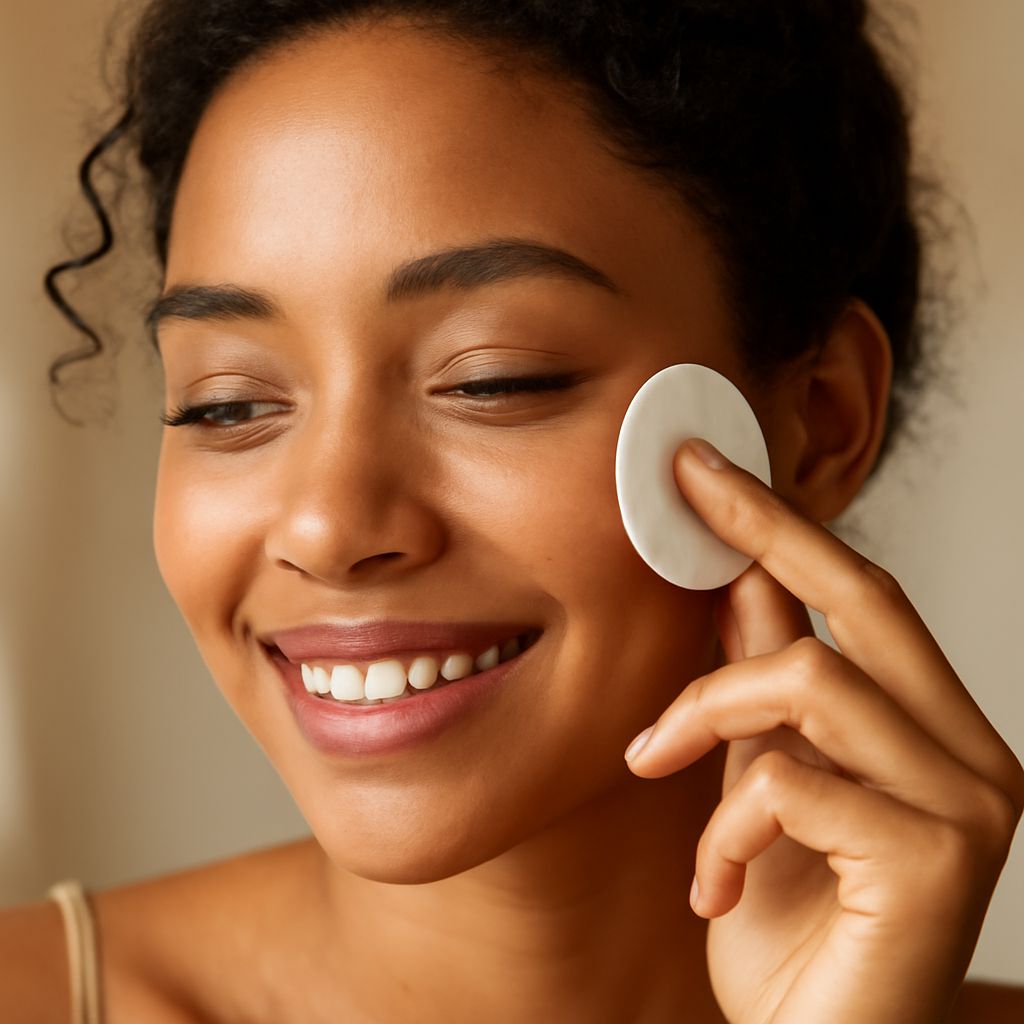
Witch hazel can be applied directly to the skin using a cotton pad, focusing on acne-prone areas. It can also be found in many skincare products, including toners and cleansers, that are designed for daily use.
DIY Witch Hazel Toner
Creating a homemade toner with witch hazel is simple. Combine equal parts witch hazel extract and distilled water, and optionally add a few drops of tea tree oil or lavender essential oil for added benefits. Store the mixture in a clean bottle and apply it to the skin after cleansing.
Frequency and Duration of Use
When using witch hazel for acne treatment, it is best to start with once-daily application and observe how the skin responds. Depending on individual tolerance, usage can be adjusted to twice daily. Consistency is key, but it is important not to overuse, as this may lead to dryness.
What Are the Best Witch Hazel Products for Acne?
Top Recommended Brands
Several reputable brands offer high-quality witch hazel products formulated for acne-prone skin. Some popular choices include Thayers, Dickinson’s, and Humphreys. These brands often provide alcohol-free options that are gentler on the skin.
What to Look for in a Product
When selecting a witch hazel product, it is important to choose one that is alcohol-free to prevent excessive drying. Additionally, look for products that incorporate other beneficial ingredients like aloe vera or hyaluronic acid to enhance hydration and soothing effects.
Bottom line: Witch hazel can be a valuable addition to an acne treatment regimen, offering natural anti-inflammatory and astringent benefits. While it is generally safe, individuals should monitor their skin’s response and adjust usage accordingly. For those seeking a gentle, plant-based alternative, witch hazel may provide the clarity and comfort desired.



Leave a Reply