
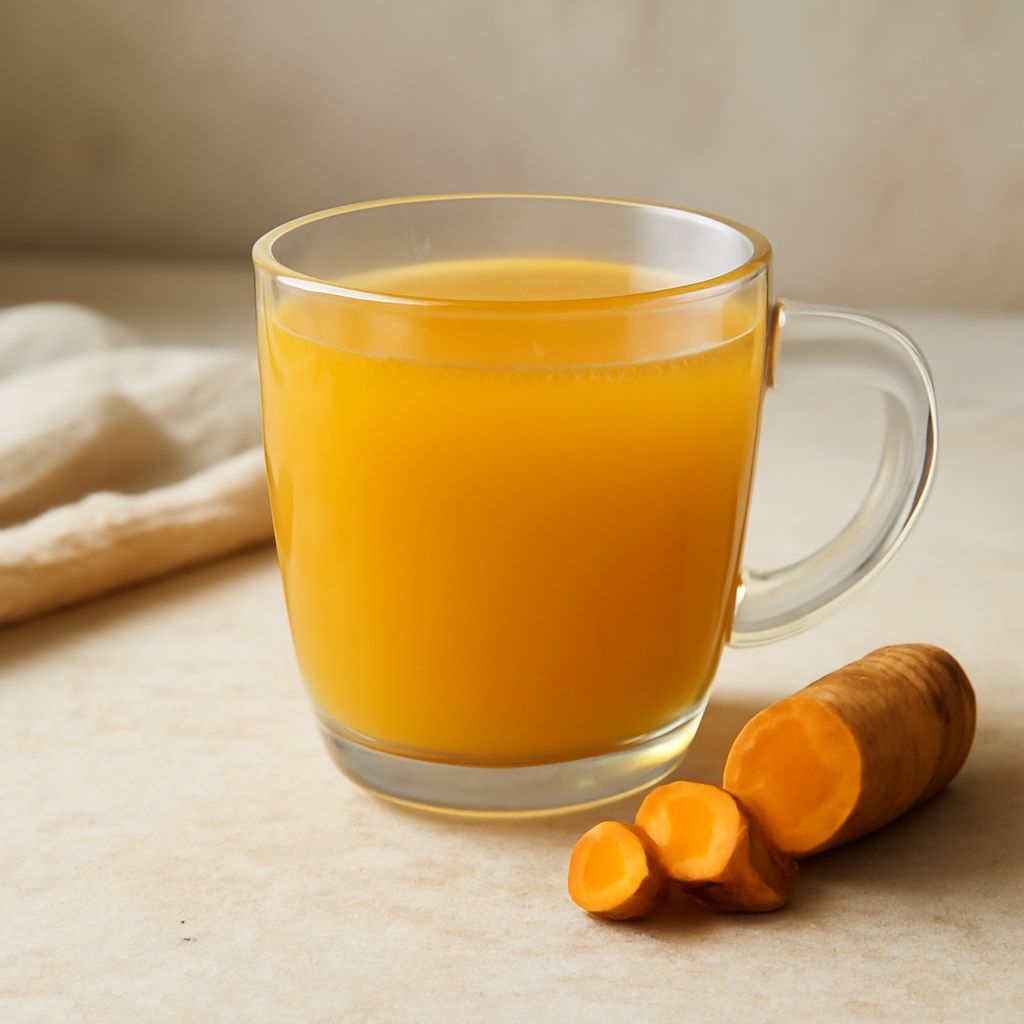
For centuries, turmeric has been praised for its remarkable healing properties. This vibrant yellow spice is not only a staple in culinary traditions but also a powerhouse in natural skin care. Increasingly, people battling acne are turning to turmeric for its potential benefits. Turmeric skin care offers a natural way to enhance your complexion and tackle bothersome skin issues like acne. Discover how turmeric and acne are linked and learn how to incorporate this golden herb into your skin care routine for impressive results.
Whether you want to reduce inflammation, brighten your skin tone, or diminish acne symptoms, the benefits of turmeric for skin care are abundant. With its anti-inflammatory and antioxidant properties, turmeric may be the key ingredient missing from your daily regimen. Let’s explore the advantages of using turmeric, how it helps with acne, and the best ways to integrate it into your skin care routines.
What Are the Benefits of Using Turmeric for Skin?
Turmeric’s Anti-Inflammatory Properties
One of the most celebrated benefits of turmeric is its anti-inflammatory potential. Curcumin, the active compound in turmeric, plays a crucial role in reducing inflammation. This can be particularly beneficial for those with skin conditions like acne, eczema, or psoriasis, where inflammation is a major concern. By calming the skin, turmeric helps alleviate redness, swelling, and irritation, providing relief and contributing to a healthier appearance.
How Turmeric Brightens Skin Tone
Another advantage of turmeric is its ability to brighten and even out skin tone. Regular use of turmeric-infused products can help reduce hyperpigmentation and dark spots, leaving the skin with a radiant glow. This effect is attributed to turmeric’s antioxidant properties, which combat free radicals and promote cell regeneration. As a result, your skin can appear more luminous and youthful over time.
How Does Turmeric Skin Care Help with Acne?
Turmeric’s Role in Reducing Acne Symptoms
Turmeric’s anti-bacterial and anti-inflammatory properties make it an effective tool in the fight against acne. By targeting the bacteria responsible for acne breakouts, turmeric helps prevent the formation of pimples. Moreover, its ability to reduce swelling and redness can lead to a noticeable improvement in acne symptoms. Regular application of turmeric in your skin care routine can potentially lessen the severity and frequency of breakouts.
Combining Turmeric with Other Ingredients for Acne
To maximize the efficacy of turmeric in treating acne, consider combining it with other natural ingredients. Honey, for instance, has antibacterial properties and can enhance turmeric’s ability to soothe the skin. Yogurt, with its lactic acid content, can aid in gentle exfoliation and improve turmeric’s penetration. Such combinations can provide a well-rounded approach to acne management, boosting overall skin health.
Can Turmeric Be Used in Daily Skin Care Routines?
DIY Turmeric Skin Care Recipes
Incorporating turmeric into your daily skin care routine is simple with DIY recipes. A turmeric face mask can be made by mixing turmeric powder with honey and yogurt. Apply this mixture to your face, leave it on for 10-15 minutes, and rinse off with warm water. This mask can be used once or twice a week to maintain a clear complexion. Another option is to create a turmeric scrub by combining turmeric with sugar and coconut oil, providing gentle exfoliation while nourishing the skin.
Precautions When Using Turmeric for Skin Care
While turmeric is generally safe for skin care, it’s essential to conduct a patch test before full application. Some individuals may experience sensitivity or allergic reactions, especially if they have sensitive skin. Additionally, turmeric can stain the skin temporarily; therefore, it’s advisable to use it in moderation and wash thoroughly after use. If you have any concerns, consult with a dermatologist to ensure it’s suitable for your skin type.
Bottom line: Turmeric is a versatile and natural option for those seeking to improve their skin’s health and appearance, particularly in addressing acne. Its anti-inflammatory and brightening properties make it a valuable addition to any skin care routine. As with all natural remedies, caution should be exercised to ensure it aligns well with your skin’s needs.




Leave a Reply