
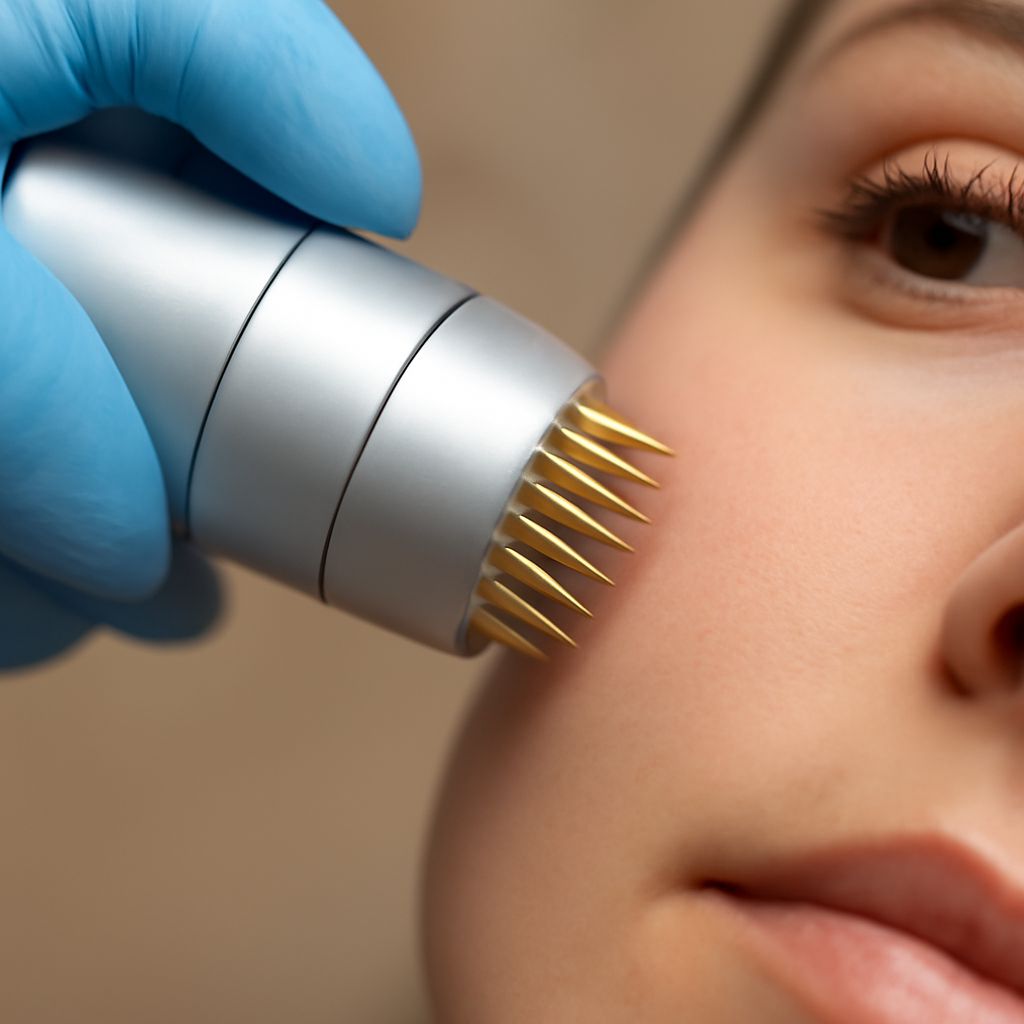
The field of burn treatment has seen significant advancements with the introduction of synthetic skin. Traditionally, skin grafts for burns have been the standard practice, but with the development of synthetic skin technologies, the approach to surgical repair of skin is entering a new era. This revolutionary technology not only enhances recovery but also offers a new dimension in skin replacement for those who have suffered severe injuries.
In this article, we will explore how synthetic skin is transforming recovery processes, the necessity of skin grafts in burn treatment, and the future prospects of skin replacement technology.
What is Synthetic Skin and How Does It Work?
Definition and Composition of Synthetic Skin
Synthetic skin refers to a man-made product designed to mimic the properties and functions of natural human skin. It is composed of bioengineered materials that can replicate the flexibility, durability, and protective qualities of real skin. Advanced synthetic skins often incorporate a combination of polymers, biological molecules, and sometimes living cells to facilitate healing and integration with the patient’s body.
Mechanism of Synthetic Skin in Healing
The mechanism by which synthetic skin aids in the healing process involves several factors. Primarily, it acts as a protective barrier, preventing infection and moisture loss. Additionally, synthetic skin supports the growth of new tissue by providing a scaffold that encourages cell proliferation and differentiation. This technology can accelerate the healing process significantly compared to traditional methods.
Why Are Skin Grafts for Burns Necessary?
Understanding Burn Severity and Treatment
Burns are classified into degrees based on severity, with third-degree burns being the most severe, often requiring surgical intervention. In significant burns, the skin’s regenerative capabilities are overwhelmed, necessitating external intervention to restore the skin’s integrity and function. This is where skin grafts come into play.
The Role of Skin Grafts in Burn Recovery
Skin grafts are critical in the treatment of severe burns as they provide the necessary cover and structure for healing to occur. They serve as a temporary or permanent replacement for damaged skin, protecting the wound and promoting regeneration. Synthetic skin grafts offer an innovative alternative, providing similar benefits with potentially enhanced outcomes.
How Does Synthetic Skin Compare to Traditional Burn Skin Grafts?
Advantages of Synthetic Skin Over Traditional Grafts
Synthetic skin offers several advantages over traditional skin grafts. It reduces the risk of donor site morbidity, as there is no need to harvest skin from another part of the patient’s body. Synthetic skin can also be produced in larger quantities and customized to fit the specific needs of the patient, leading to potentially faster recovery times and lower risk of complications.
Challenges and Considerations in Using Synthetic Skin
Despite its advantages, the use of synthetic skin comes with challenges. These include the risk of rejection, as the body may perceive synthetic materials as foreign. There are also considerations regarding cost and accessibility, as advanced synthetic options may not be available in all medical centers. Furthermore, integrating synthetic skin technology requires specialized training and expertise.
What Are the Steps in the Surgical Repair of Skin Using Synthetic Materials?
Preoperative Preparations
Before surgery, thorough preoperative preparations are essential. This includes assessing the extent of the burn, determining the suitable type of synthetic skin, and ensuring the patient is in optimal health to undergo the procedure. Pre-surgical consultations are crucial for planning and educating the patient on the expected outcomes and recovery process.
The Surgical Procedure
The procedure begins with the preparation of the wound bed, ensuring it is clean and ready for grafting. The synthetic skin is then carefully applied to the area, ensuring a snug fit. Surgeons must meticulously secure the synthetic material to facilitate effective integration with the underlying tissue.
Postoperative Care and Recovery
Postoperative care is vital for successful healing. This includes regular monitoring of the graft site for signs of infection, rejection, or other complications. Patients are typically advised to avoid strenuous activities that may disrupt the graft and attend regular follow-up appointments to monitor the recovery process.
What Are the Current Innovations in Skin Replacement Technology?
Recent Developments in Synthetic Skin
Recent advancements in synthetic skin technology focus on improving biocompatibility and functionality. Innovations include the development of more flexible and durable materials, as well as incorporating sensors and electronics to mimic the sensory functions of natural skin. Research is also underway to use stem cells and gene editing to enhance the regenerative capabilities of synthetic skin.
Future Prospects and Research Directions
The future of skin replacement technology is promising, with ongoing research aimed at making synthetic skin more accessible and effective. Scientists are exploring the potential of using bioprinting to create skin layers that precisely mimic human skin’s structure and function. The integration of artificial intelligence in designing personalized skin grafts is another exciting avenue being explored.
How Do Patients Benefit from Synthetic Skin?
Patient Case Studies
Numerous case studies highlight the benefits of using synthetic skin in treatment. Patients have reported less pain, faster healing, and improved aesthetic outcomes compared to traditional methods. These benefits not only improve physical recovery but also enhance psychological well-being, as patients gain confidence from better cosmetic results.
Long-Term Outcomes and Quality of Life Improvements
Long-term outcomes for patients treated with synthetic skin are promising. They often experience fewer complications and retain better skin functionality. Improved mobility, reduced scarring, and enhanced skin sensation contribute to a higher quality of life, demonstrating the significant impact of synthetic skin technology on patient recovery and rehabilitation.
Next Steps: For those considering synthetic skin treatment, consulting with a specialized healthcare provider is crucial. Regular check-ups and adherence to postoperative care guidelines ensure the best results. As this technology evolves, staying informed about new developments will help patients make well-informed decisions about their treatment options.





Leave a Reply