
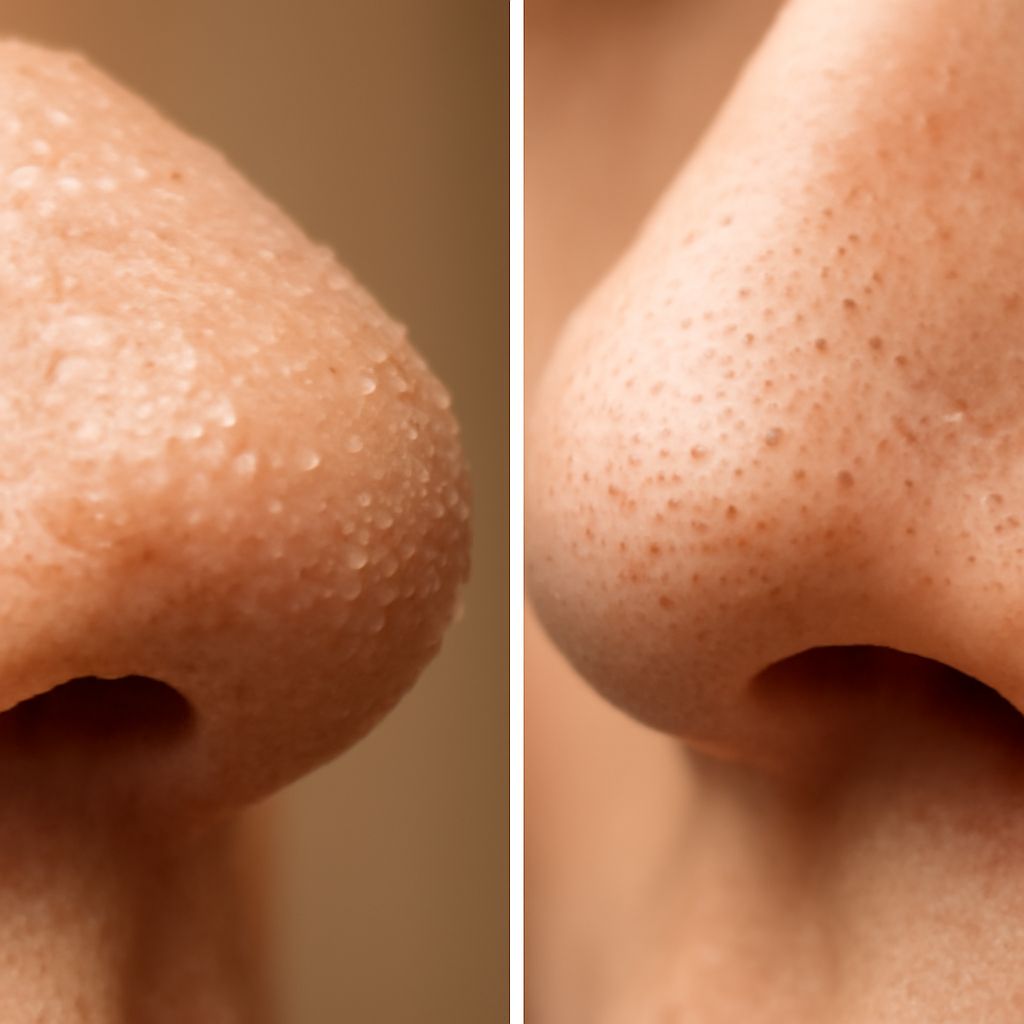
Acne, a common skin condition, often brings with it the challenge of distinguishing between its various forms. Among the most prevalent types of acne are whiteheads and blackheads, both of which can cause frustration for those seeking clearer skin. Understanding the main difference between blackheads and whiteheads is essential for effective management and treatment. By discerning these differences, one can better tailor a skincare routine to manage both whiteheads and blackheads effectively.
For those struggling with acne, the influx of advice and products can be overwhelming. However, grasping the unique characteristics of blackheads vs whiteheads offers a clearer path to addressing these blemishes. This article will guide you through the specifics of whiteheads and blackheads, from their formation to treatment options, debunking common myths, and knowing when to seek professional help.
What are Whiteheads and Blackheads?
Definition of Whiteheads
Whiteheads, also known as closed comedones, are a type of acne that forms when dead skin cells, sebum, and bacteria become trapped within pores. Unlike blackheads, the pore remains closed, creating a small, white bump on the skin.
Definition of Blackheads
Blackheads are a form of acne characterized by open comedones. They occur when a pore is clogged with excess oil and dead skin cells but remains open, allowing oxidation to turn the debris black. This oxidation is what gives blackheads their distinctive color.
How Do Whiteheads Form?
Causes of Whiteheads
Whiteheads primarily form due to the accumulation of oil and dead skin cells within a closed pore. Hormonal changes, excessive oil production, and the use of comedogenic skincare products can exacerbate the formation of whiteheads.
Common Areas for Whiteheads
Whiteheads commonly appear on the face, particularly around the nose, chin, and forehead. They can also be found on other body areas with high concentrations of oil glands, such as the chest and back.
How Do Blackheads Develop?
Causes of Blackheads
Blackheads develop when a pore is partially blocked, typically by a combination of oil, dead skin cells, and bacteria. Unlike whiteheads, the open nature of the pore allows the contents to oxidize, turning black. Factors such as hormonal fluctuations and improper skincare routines can contribute to blackhead formation.
Common Areas for Blackheads
Blackheads are frequently found on the face, particularly in the T-zone, which includes the forehead, nose, and chin. They can also appear on the back, shoulders, and other areas that are prone to oiliness.
What is the Difference Between Blackheads and Whiteheads?
Textural Differences
The texture of whiteheads is typically smooth and rounded due to their closed nature, whereas blackheads have a rougher texture since the contents of the pore are exposed to the air.
Color Differences
The main visual distinction between blackheads and whiteheads is color. Blackheads appear dark due to oxidation of the debris within the open pore, while whiteheads are light-colored as the blocked pore prevents exposure to air.
Formation Process
While both blackheads and whiteheads form due to clogged pores, the key difference lies in whether the pore opening is blocked or open. Whiteheads result from closed pores, while blackheads occur when the pore remains open.
How Can You Treat and Prevent Whiteheads and Blackheads?
Skin Care Routine
To manage both whiteheads and blackheads, a consistent skincare routine is essential. Cleansing twice daily with a gentle cleanser, exfoliating regularly, and using non-comedogenic products can help keep pores clear.
Over-the-counter Treatments
Numerous over-the-counter treatments are available for treating whiteheads and blackheads. Products containing salicylic acid, benzoyl peroxide, or retinoids can effectively target these types of acne by promoting exfoliation and reducing oil production.
Professional Treatments
For persistent or severe cases, professional treatments like chemical peels, microdermabrasion, or laser therapy may be beneficial. These treatments can offer deeper exfoliation and more targeted results for managing acne.
What Are Common Myths About Whiteheads and Blackheads?
Myth: Blackheads Are Dirt
A common misconception is that blackheads are caused by dirt. In reality, their dark color results from the oxidation of material within an open pore, not dirt.
Myth: Popping Whiteheads is Safe
While it may be tempting to pop whiteheads, doing so can lead to scarring and infection. It’s best to leave extraction to professionals or use appropriate topical treatments.
Myth: Only Teenagers Get Whiteheads and Blackheads
Acne is often associated with adolescence, but whiteheads and blackheads can affect individuals of all ages due to factors like hormonal changes and lifestyle.
When Should You Consult a Dermatologist for Whiteheads and Blackheads?
Signs It’s Time to See a Dermatologist
If over-the-counter treatments fail to improve your acne, or if you experience significant inflammation, pain, or scarring, it may be time to seek professional help.
What to Expect from a Dermatology Visit
During a dermatology visit, the doctor will assess your skin, diagnose the type of acne, and recommend appropriate treatments. These might include prescription medications or advanced therapies tailored to your needs.
Key takeaways: Understanding the difference between blackheads and whiteheads is crucial for effective acne management. Maintain a consistent skincare routine and seek professional advice if needed. Always approach treatment options with care, considering potential skin sensitivities.




Leave a Reply