
For many women, menopause brings a host of new challenges, one of which can be post menopausal acne. Menopausal acne can be a frustrating experience, disrupting the skin health women have maintained for years. Understanding acne after menopause and its causes is key to finding effective solutions. This article delves into the reasons behind these skin changes and explores both traditional and natural ways to manage symptoms.
As estrogen and progesterone levels fluctuate, many women experience changes in their skin, including the onset of acne. Fortunately, there are various treatments available to help alleviate menopausal acne, allowing women to regain confidence in their skin.
What Causes Menopausal Acne?
Hormonal Changes and Their Impact
The primary driver of menopausal acne is the hormonal upheaval that occurs during this life stage. As women approach menopause, the levels of estrogen and progesterone decrease, leading to a relative increase in androgens, which can stimulate the sebaceous glands and increase oil production.
Role of Estrogen and Progesterone
Estrogen and progesterone play significant roles in maintaining skin’s balance. A drop in these hormones disrupts this equilibrium, potentially increasing sebum production and making the skin more prone to breakouts. The effects of these hormonal shifts can be more pronounced in women who had acne in their earlier years.
Other Contributing Factors
Beyond hormones, other factors can exacerbate acne during menopause. Stress, dietary habits, and certain medications can influence skin health. Additionally, as the skin ages, its natural renewal process slows, which can contribute to clogged pores and acne formation.
How Can Menopause Acne Be Treated?
Topical Treatments for Menopausal Acne
Topical treatments remain a cornerstone in managing menopausal acne. Products containing retinoids, salicylic acid, or benzoyl peroxide can help reduce inflammation and clear clogged pores. Adapting your skincare routine to include these ingredients can improve overall skin clarity.
Oral Medications and Supplements
For more persistent cases, oral medications might be necessary. Dermatologists often prescribe hormone therapy or oral contraceptives to help balance hormone levels. Additionally, supplements like omega-3 fatty acids and zinc are known to support skin health.
Lifestyle Changes to Consider
Incorporating certain lifestyle changes can also make a difference. Regular exercise, a balanced diet rich in antioxidants, and stress management techniques can contribute positively to your skin’s condition. Adequate hydration and sufficient sleep are essential elements of a holistic approach to treating acne.
Are There Natural Remedies for Acne After Menopause?
Herbal Remedies and Their Benefits
Many women seek natural alternatives to conventional treatments. Herbal remedies such as tea tree oil, green tea extract, and aloe vera are popular for their anti-inflammatory and antibacterial properties. These natural ingredients can be integrated into your skincare routine to help soothe and heal the skin.
Dietary Adjustments for Skin Health
Nutrition plays a crucial role in maintaining healthy skin. Incorporating foods rich in vitamins A, C, and E, as well as omega-3 fatty acids, can promote skin healing and reduce inflammation. Limiting dairy and sugar intake may also help reduce breakouts for some individuals.
How Does Acne Menopause Differ from Regular Acne?
Differences in Skin Response
Acne during menopause can differ from adolescent acne in nature and treatment. The skin may become more sensitive and dry, requiring gentler care. Unlike teenage acne, menopausal acne often appears more around the chin and jawline.
Age-Related Skin Changes
With age, the skin’s elasticity decreases, and collagen production slows, impacting how skin responds to acne. Healing might take longer, and the risk of scarring can be higher, highlighting the importance of tailored skincare regimens for mature skin.
What Are the Best Skincare Practices for Post Menopausal Acne?
Daily Skincare Routine
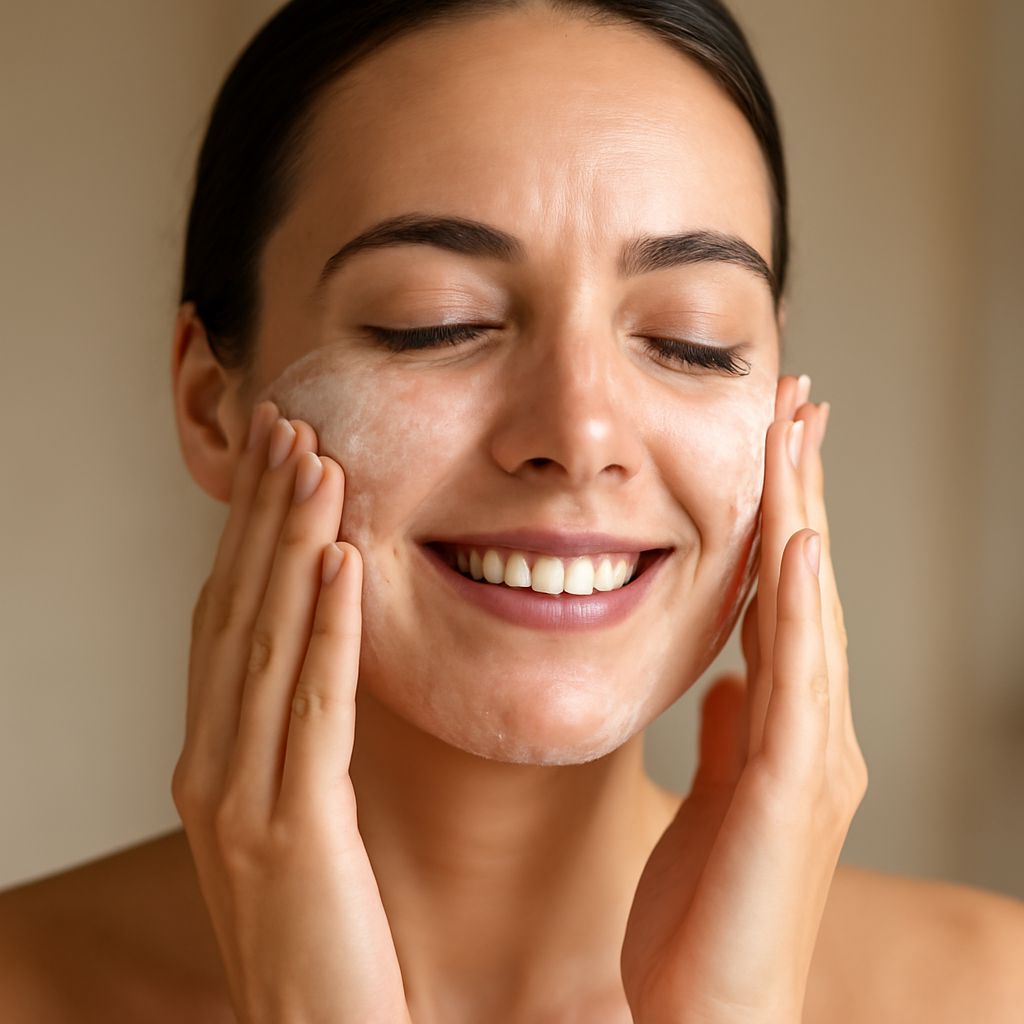
Maintaining a consistent skincare routine is crucial. Cleanse twice daily with a gentle cleanser, followed by a moisturizer suitable for your skin type. Incorporate serums with hyaluronic acid or peptides to boost hydration and repair.
Recommended Products for Mature Skin
Seek out products specifically designed for mature skin, such as those containing retinol or vitamin C, which can help improve skin texture and tone. Sunscreen is non-negotiable to protect against UV damage and further aging.
When Should You Consult a Dermatologist for Menopause Acne?
Signs You Need Professional Help
If over-the-counter treatments do not improve your acne, or if it begins to affect your self-esteem, it may be time to consult a dermatologist. Persistent, painful, or cystic acne often requires professional intervention.
Possible Treatments a Dermatologist May Suggest
Dermatologists can offer a range of therapies, from prescription medications to advanced procedures like chemical peels or laser treatments. They can tailor a treatment plan based on your specific needs and skin type, optimizing your path to clear skin.
Pro tips recap: Understanding your skin’s changing needs during menopause is essential. Incorporate both traditional and natural remedies into your routine, consult healthcare professionals when necessary, and maintain a healthy lifestyle to support your skin’s journey through menopause.
Safety note: Always patch test new skincare products, particularly those with active ingredients, to avoid adverse reactions. Consult a healthcare professional before starting any new supplement or medication.


Leave a Reply