
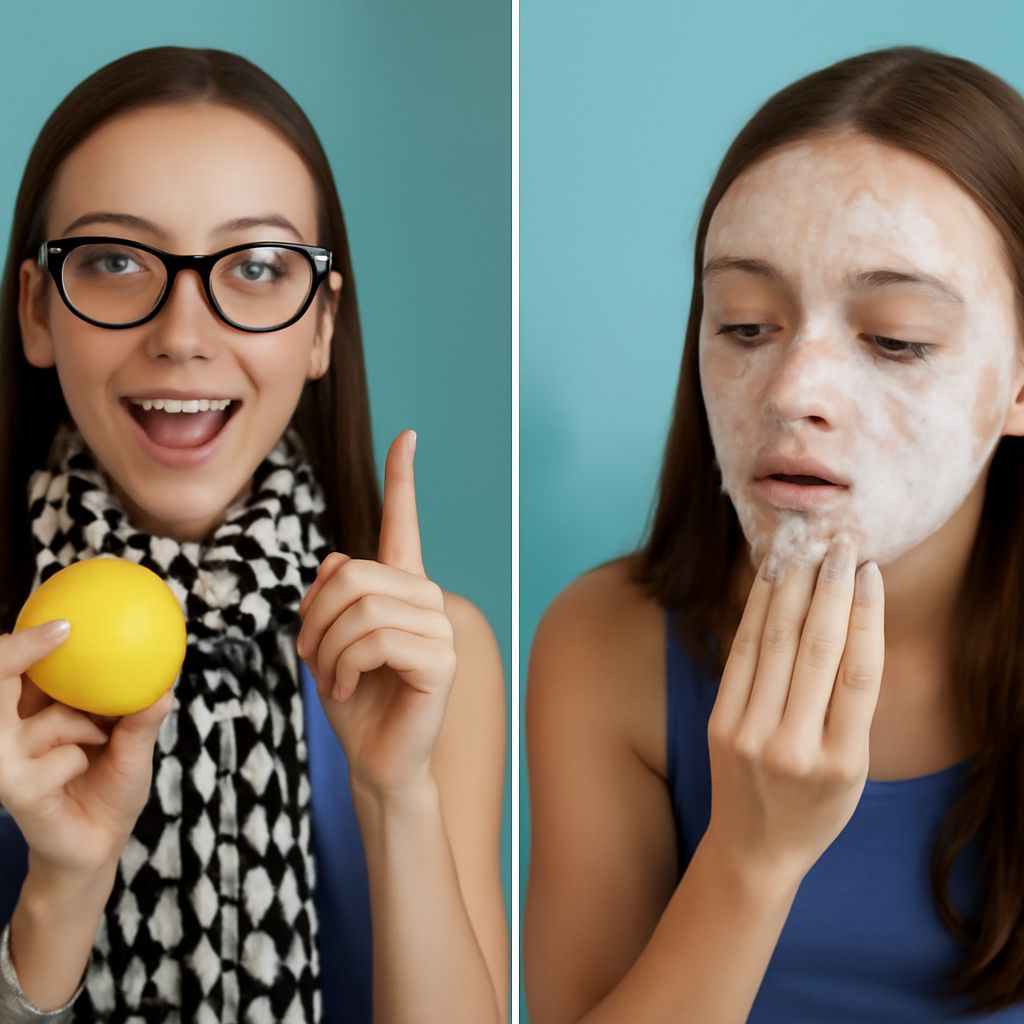
Acne is a common issue that affects individuals worldwide, causing not only physical discomfort but also emotional distress. Fortunately, crafting a homemade face mask for acne can be a simple yet effective solution to this persistent problem. By utilizing natural ingredients found in your kitchen, you can create your own diy acne face mask that targets breakouts and promotes clearer skin. This guide will explore the benefits of making your own acne mask diy, along with proven recipes and tips to enhance your skincare routine.
Many people turn to homemade remedies because they want to avoid harsh chemicals often found in commercial products. Creating your own face masks allows you to control what goes onto your skin, ensuring it’s both safe and effective. From the soothing properties of aloe vera to the antibacterial power of honey, this article will delve into the essential components of a successful face mask for acne diy.
Why Make Your Own Face Mask for Acne?
Benefits of Homemade Masks
Homemade masks offer numerous advantages, including cost-effectiveness and customization. You can tailor each mask to address your skin’s specific needs, using ingredients readily available at home. This personal touch ensures that your skin receives the best possible care without unnecessary additives.
Understanding Acne-Prone Skin
Acne-prone skin is often sensitive and reactive, requiring gentle yet effective treatments. By understanding your skin type, you can choose ingredients that calm inflammation and reduce acne without causing irritation.
Natural Ingredients vs. Store-Bought Products
Natural ingredients like clays, herbal extracts, and essential oils provide an alternative to synthetic components in store-bought products. These ingredients are known for their healing properties and can offer substantial benefits when used in a homemade face mask for acne.
What Are the Best Ingredients for a DIY Acne Face Mask?
Clay and Its Benefits
Clays such as bentonite and kaolin are excellent for absorbing excess oils and clearing impurities from the skin. Their natural detoxifying properties make them a staple in many diy acne face masks.
The Power of Honey
Honey is a natural antiseptic and has anti-inflammatory properties, making it ideal for soothing irritated skin. Its moisturizing qualities also help maintain skin hydration, preventing excessive dryness.
Aloe Vera for Soothing
Aloe vera is renowned for its soothing and healing properties. It helps reduce redness and inflammation associated with acne, providing relief to sensitive areas.
The Role of Essential Oils
Essential oils like tea tree and lavender offer antibacterial benefits that can help reduce acne-causing bacteria. However, they should be used sparingly and always diluted to avoid skin irritation.
Herbs and Spices for Acne
Herbs and spices such as turmeric and cinnamon possess anti-inflammatory and antimicrobial properties. Integrating these into your face mask can improve your skin’s clarity and texture.
How to Make a Homemade Face Mask for Acne: Step-by-Step
Clay and Honey Mask Recipe
Combine 2 tablespoons of bentonite clay with 1 tablespoon of honey and enough water to form a paste. Apply to your face, avoiding the eye area, and leave it on for 10-15 minutes before rinsing with lukewarm water.
Aloe Vera and Tea Tree Oil Mask
Mix 2 tablespoons of aloe vera gel with 2 drops of tea tree oil. Apply the mixture evenly to your face and let it sit for 15 minutes. Rinse off with cool water.
Turmeric and Yogurt Mask
Blend 1 teaspoon of turmeric powder with 2 tablespoons of plain yogurt. Apply the paste to your face, leave it on for 10 minutes, then wash off with warm water.
How Often Should You Use a DIY Face Mask for Acne?
Determining Your Skin Type
Your skin type will dictate how often you should use a face mask. Sensitive skin may require less frequent application, while more oily types might benefit from regular use.
Frequency Recommendations
For most people, using a diy face mask for acne once or twice a week is sufficient. It’s important to observe how your skin responds and adjust accordingly to avoid over-exfoliation and irritation.
Common Mistakes to Avoid with Acne Mask DIY
Using the Wrong Ingredients
Not all natural ingredients are suitable for every skin type. Conduct a patch test before applying a new ingredient to ensure it doesn’t trigger adverse reactions.
Overusing Masks
Excessive use of face masks can strip the skin of its natural oils, leading to dryness and increased sebum production. Moderation is key to maintaining balance.
Ignoring Skin Reactions
Pay attention to how your skin reacts to different ingredients. If you notice redness, itching, or irritation, discontinue use immediately and consult a dermatologist if necessary.
What Results Can You Expect from a Face Mask for Acne DIY?
With consistent use of a homemade face mask suitable for your skin type, you can expect clearer, smoother skin with reduced inflammation and fewer breakouts. Patience is essential, as natural remedies may take longer to show visible results compared to chemical treatments.
Key takeaways: Embrace the power of natural ingredients in your skincare routine by crafting your own homemade face masks. These diy solutions can provide effective relief from acne while nourishing your skin safely. Always consider your skin type and react promptly to any adverse effects for the best results.



Leave a Reply