
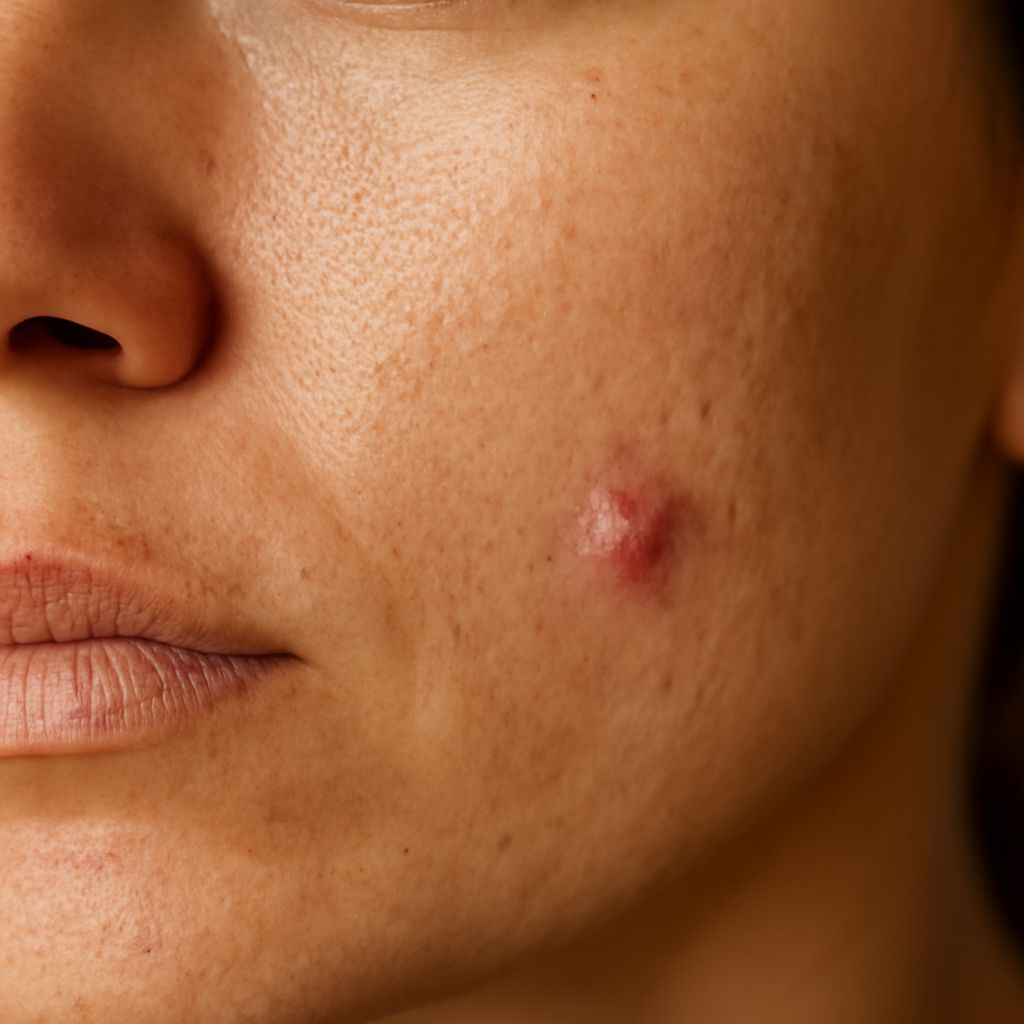
Dealing with acne and the scars left behind can be a frustrating experience for many individuals. While numerous treatments promise relief, microdermabrasion has emerged as a popular option. This procedure not only aims to reduce acne scars but also enhances overall skin health. Many wonder if microdermabrasion for acne is a truly effective solution. In this guide, we delve into whether microdermabrasion is good for acne and how it can transform your skin’s appearance.
What is Microdermabrasion and How Does It Work?
Understanding the Microdermabrasion Process
Microdermabrasion is a non-invasive skin rejuvenation procedure that exfoliates the outer layer of dead skin cells. It uses tiny crystals or a diamond-tipped wand to gently sand the skin. This process stimulates new skin growth, enhances blood circulation, and boosts collagen production. After the procedure, skin often appears smoother and brighter.
Benefits of Microdermabrasion for Skin
Regular treatments can improve the skin’s texture and tone, reduce fine lines, and minimize enlarged pores. Additionally, microdermabrasion can help with mild acne, as it unclogs pores and removes excess oil and debris. This makes it a versatile choice for enhancing skin health.
Is Microdermabrasion Good for Acne?
Effectiveness of Microdermabrasion on Acne
Microdermabrasion can be beneficial for individuals with mild acne. The exfoliation process helps clear out pores, reducing the occurrence of breakouts. However, it is essential to note that for severe acne, a healthcare professional may recommend combining it with other treatments for optimal results.
Comparing Microdermabrasion with Other Treatments
Unlike chemical peels or laser therapies, microdermabrasion is a less intense option with minimal downtime. While chemical peels work by using acids to exfoliate the skin, lasers target deeper skin layers. Microdermabrasion is a gentle alternative suitable for regular use, especially for those with sensitive skin.
How Does Microdermabrasion Help with Acne Scars?
Mechanism of Scar Reduction
By removing the outermost layer of skin, microdermabrasion promotes the generation of new, healthy skin cells. This results in a gradual reduction of acne scars’ visibility. The procedure also encourages collagen production, which is vital for skin elasticity and firmness.
Long-term Benefits for Skin Texture
Over time, consistent microdermabrasion treatments can lead to significantly improved skin texture. The skin becomes more even, with scars and imperfections less noticeable. This long-term improvement makes it a preferred choice for those seeking subtle yet effective changes.
What to Expect During a Microdermabrasion Session
Preparing for Your Appointment
Before your microdermabrasion session, it’s advisable to avoid sun exposure and discontinue any harsh skincare products. Consult with your practitioner to understand any specific preparations you might need.
Steps Involved in the Procedure
During the session, a trained professional will cleanse your skin and use a handheld device to exfoliate the surface gently. The procedure is typically painless, and you may feel a mild scratching sensation. The session usually lasts about 30 minutes to an hour.
Post-treatment Care Tips
After microdermabrasion, your skin might feel slightly sensitive. It’s crucial to moisturize and apply sunscreen to protect the newly exposed skin. Avoid using any potent skincare products for a few days to prevent irritation.
Potential Side Effects and Risks of Microdermabrasion
Common Side Effects
While microdermabrasion is generally safe, some may experience temporary redness, dryness, or mild swelling. These effects typically resolve within a day or two. Ensure you communicate any concerns with your skincare provider.
Who Should Avoid Microdermabrasion?
Individuals with active severe acne, open sores, or skin conditions like rosacea should avoid microdermabrasion. Always consult a dermatologist to determine if this treatment is suitable for your skin condition. Safety is paramount, and alternative treatments may be more appropriate for certain skin issues.
How Often Should You Get Microdermabrasion for Acne?
Recommended Frequency for Best Results
For effective results, microdermabrasion can be performed every 2 to 4 weeks. Regular sessions help maintain skin smoothness and acne reduction. However, frequency may vary based on individual skin types and concerns.
Signs You Need Another Session
Indicators that another session may be beneficial include a buildup of dead skin cells, uneven skin tone, or a resurgence of mild acne. Listen to your skin’s needs and consult your skincare professional for personalized advice.
Is Microdermabrasion Suitable for All Skin Types?
Considerations for Sensitive Skin
Although microdermabrasion is gentle, individuals with very sensitive skin should approach the treatment cautiously. Performing a patch test can help determine skin’s tolerance to the procedure.
Adapting Treatment to Different Skin Tones
Microdermabrasion is generally safe for various skin tones. However, it is advisable to have the procedure done by a skilled professional to avoid any potential pigmentation issues. Customizing the treatment to suit individual skin needs ensures optimal outcomes.
Bottom line: Microdermabrasion offers a promising solution for individuals struggling with acne scars and seeking improved skin health. While effective for many, it’s essential to consult with a skincare professional to tailor the treatment plan to your unique needs. With the right approach, microdermabrasion can lead to clearer, more radiant skin.




Leave a Reply