
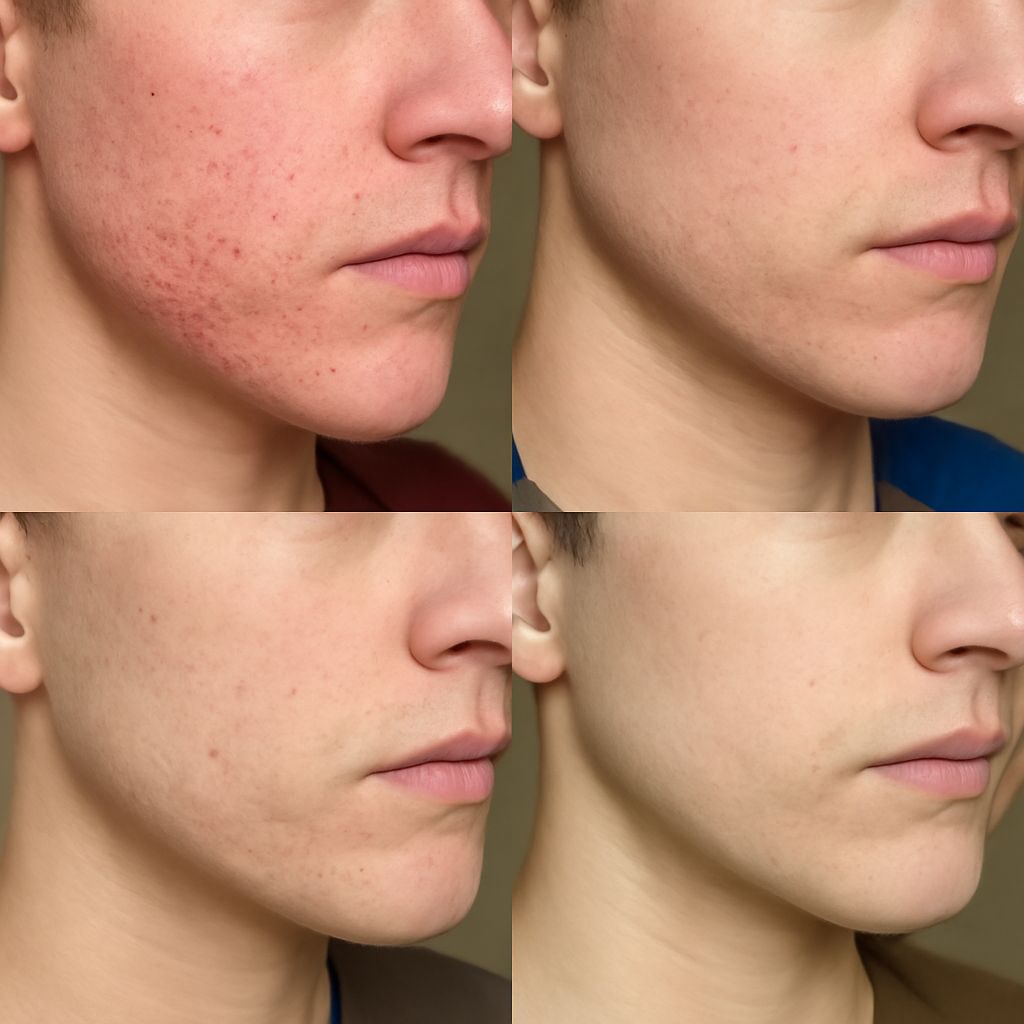
For many individuals, acne is an unwelcome companion that flares up during specific times of the menstrual cycle, particularly during ovulation. The surge in hormones can wreak havoc on the skin, leading to breakouts that can be both physically and emotionally distressing. Understanding the cause of acne during ovulation and exploring effective solutions can pave the way to clearer, healthier skin. From tailored skincare routines to considering plastic surgery for acne scars, there are multiple strategies available to tackle this common problem.
In addition to the hormonal changes experienced during ovulation, factors like sensitive oily skin and even age can influence acne severity. Seniors may find themselves puzzled by sudden breakouts, while others might be intrigued by emerging skincare trends like using snake skin for sale in treatments. Delving into these aspects will equip you with the knowledge needed to navigate the complexities of acne management effectively.
Why Does Acne Occur During Ovulation?
Hormonal Changes and Their Impact on Skin
During ovulation, the body experiences a spike in hormones such as estrogen and progesterone. These hormones can increase oil production in the skin, leading to clogged pores and acne. This hormonal influx is a natural part of the menstrual cycle but can have significant repercussions on skin health.
Identifying Acne Patterns in Your Cycle
Tracking your menstrual cycle can help identify patterns in acne flare-ups. By understanding when hormonal changes occur, you can anticipate breakouts and adjust your skincare routine accordingly. This proactive approach can reduce the severity of acne and help maintain clearer skin.
How to Treat Acne During Ovulation
Over-the-Counter Treatments
Many find relief from over-the-counter acne treatments that contain ingredients such as benzoyl peroxide or salicylic acid. These can help reduce bacteria and oiliness on the skin, offering a first line of defense against breakouts. However, it’s essential to choose products that suit your skin type to avoid irritation.
Natural Remedies to Consider
For those seeking natural solutions, ingredients like tea tree oil and aloe vera are popular for their anti-inflammatory and soothing properties. Applying these can reduce redness and support healing. It’s important to perform a patch test before trying new natural remedies to ensure they do not irritate the skin.
When to See a Dermatologist
If over-the-counter and natural treatments aren’t effective, consulting a dermatologist might be necessary. A professional can prescribe medications or suggest tailored treatments that specifically address hormonal acne. It’s advisable to seek professional help if acne is severe or impacts your quality of life.
Is Plastic Surgery an Option for Acne Scars?
Types of Plastic Surgery for Acne Scars
Plastic surgery can offer a permanent solution to persistent acne scars. Procedures such as laser therapy, dermabrasion, and chemical peels are commonly used to improve skin texture and appearance. These treatments can significantly reduce the visibility of scars, restoring smoother skin.
Pros and Cons of Surgical Interventions
While plastic surgery can effectively reduce acne scars, it is essential to weigh the benefits against potential risks. Surgical interventions can be costly and require downtime for recovery. However, for many, the long-term improvement in skin appearance justifies these considerations.
What Role Does Sensitive Oily Skin Play?
Managing Sensitive Oily Skin
Sensitive oily skin can exacerbate acne, particularly during hormonal fluctuations. It’s crucial to use gentle, non-comedogenic products that won’t clog pores or irritate the skin. Avoiding harsh scrubs and opting for soothing cleansers can help maintain skin balance.
Choosing the Right Products
Products tailored for sensitive skin, such as those free from fragrances and alcohol, can prevent irritation. Ingredients like hyaluronic acid and niacinamide can hydrate and calm the skin without adding excess oil.
Routine Adjustments for Optimal Skin Health
Regularly updating your skincare routine to accommodate changes in your skin’s needs can be beneficial. This involves adjusting product usage based on seasonal changes, diet, and hormonal cycles. Monitoring skin reactions and making informed adjustments can enhance skin health.
Can Seniors Experience Acne?
Causes of Acne in Seniors
Although commonly associated with adolescents, acne can also affect seniors. Hormonal changes due to menopause or medication side effects can trigger breakouts in older adults. Understanding these triggers is key to managing acne at any age.
Effective Treatments for Older Adults
Treatments for acne in seniors should be gentle yet effective. Retinoids and mild exfoliants can help manage acne while also addressing aging concerns. Consulting with a dermatologist can ensure that treatments align with skin needs and any health considerations.
Exploring Unique Ingredients: Snake Skin for Sale
Benefits of Snake Skin in Skincare
The use of exotic ingredients like snake skin in skincare is gaining attention for its purported benefits. Snake skin is believed to have hydrating and rejuvenating properties, making it an intriguing option for those seeking novel skincare solutions.
Ethical Considerations and Sourcing
When exploring unconventional ingredients, considering ethical sourcing is essential. Ensuring that products are obtained sustainably and humanely can prevent contributing to environmental and ethical issues.
Bottom line: Managing acne during ovulation involves understanding hormonal influences and employing targeted treatments. From over-the-counter options to possible plastic surgery for acne scars, numerous methods can improve skin health. Whether dealing with sensitive oily skin or considering the unique properties of snake skin, personalized care is crucial. Prioritize safe, ethical approaches and consult professionals as needed for optimal results.




Leave a Reply