
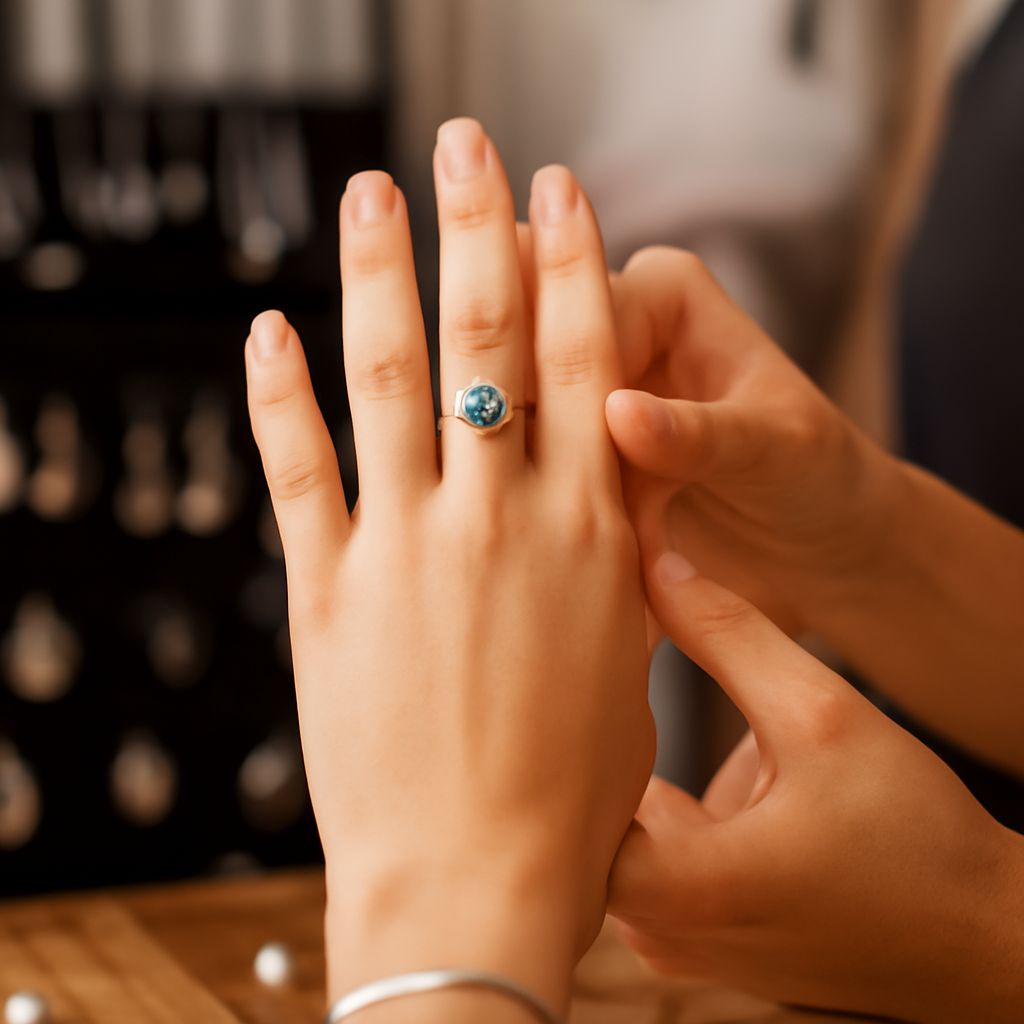
Have you ever taken off a beloved piece of jewelry only to discover an unexpected green stain on your skin? You may wonder, “Does brass turn your skin green?” or “Does copper turn your skin green?” The good news is you’re not alone, and there are clear explanations for this phenomenon. The interaction between metals and skin can sometimes lead to discoloration, a reaction that often puzzles and concerns many. Fortunately, understanding why copper and brass might cause such a reaction can help prevent it. Let’s delve into the science behind these common reactions and learn how to manage and mitigate them effectively.
What Causes Skin Discoloration from Metals?
Understanding Metal Reactions with Skin
Metal discoloration on the skin is primarily caused by a reaction between the metal and the acidic environment of your skin. When certain metals come into contact with the moisture and natural oils on your skin, a chemical reaction occurs that can lead to the formation of colored compounds. These compounds are often responsible for the greenish tint observed on the skin.
Which Metals are Most Likely to Cause Discoloration?
While various metals can react with skin, copper and its alloys, such as brass, are the most notorious for causing discoloration. Other metals like nickel and silver can also result in similar reactions, but they typically manifest differently. Copper and brass contain elements that more readily oxidize, especially when exposed to moisture, leading to those characteristic green stains.
Does Brass Turn Your Skin Green?
Composition of Brass and its Effects on Skin
Brass is an alloy primarily composed of copper and zinc. The presence of copper in brass is what lends it the potential to turn your skin green. As you wear a brass item, sweat and oils on your skin can cause it to oxidize. This oxidation results in a green patina that transfers to your skin. In addition to moisture, factors like pH levels and individual skin chemistry play crucial roles in how much discoloration occurs.
How to Prevent Skin Discoloration from Brass
To avoid the green stains caused by brass, you can take several proactive steps. Applying a layer of clear nail polish on the inner surfaces of brass jewelry can act as a barrier, preventing direct contact with your skin. Additionally, keeping your skin dry and clean while wearing brass can minimize oxidation. If you’re particularly sensitive, consider choosing jewelry made from alternative materials that are less reactive.
Does Copper Turn Your Skin Green?
Why Does Copper Turn Your Skin Green?
The verdant hue you might see on your skin after wearing copper jewelry is due to copper oxidation. When copper comes in contact with body oils and perspiration, it can oxidize and form copper salts. These salts are what leave the greenish residue on your skin. Although the reaction is harmless, it can be aesthetically displeasing for those sporting copper accessories.
Tips to Reduce Skin Reactions from Copper
To mitigate copper’s effects on your skin, similar strategies to those for brass can be employed. Ensuring that your skin is dry before wearing copper items can reduce the extent of oxidation. Additionally, applying a protective coating to the jewelry can help. If you regularly experience reactions, consider consulting a dermatologist for personalized advice tailored to your skin type and lifestyle.
Why Does Copper Turn Your Skin Green?
The Science Behind Copper Skin Reactions
The underlying science involves the chemical interaction between copper and environmental factors such as sweat, humidity, and natural skin oils. These elements trigger a redox reaction where copper atoms lose electrons and form copper ions. These ions react with acids and salts present on the skin, resulting in the green copper carbonate or copper chloride compounds visible as discoloration.
Ways to Mitigate Copper’s Effects on Skin
For those who enjoy the aesthetic of copper jewelry but wish to avoid the discoloration, there are several measures you can take. Opt for items with a tarnish-resistant coating or frequently clean your copper pieces to maintain their luster. Also, ensure your skin is moisturized, as dry skin may hold onto copper salts more easily, leading to increased staining.
How to Care for Your Skin After Discoloration
Immediate Steps to Take
Should you notice a green stain on your skin, don’t panic. The discoloration can be easily removed with a gentle cleansing regimen. Wash the affected area with soap and water, and gently scrub with a soft cloth or sponge to lift the stain. Avoid harsh soaps or vigorous scrubbing, as these can irritate the skin further.
Long-Term Skin Care Tips
Incorporate regular exfoliation into your skincare routine to help remove dead skin cells and any residual metal compounds. Hydrating your skin with a quality moisturizer can also prevent future reactions, as it helps maintain a barrier between your skin and metal items. Consider using hypoallergenic products to minimize the risk of additional irritation.
Pro Tips Recap
Although the green tint left by copper and brass is harmless, it can be bothersome. To prevent these reactions, consider protective measures like applying a coating to your jewelry, maintaining good hygiene, and ensuring your skin is well moisturized. If discoloration occurs, gently cleanse the area and apply a soothing moisturizer. Embrace alternative materials if these reactions persist, ensuring your comfort and style remain uncompromised. Remember always to prioritize your skin’s health and consult professionals if needed, especially if you have sensitive skin or allergies.




Leave a Reply