
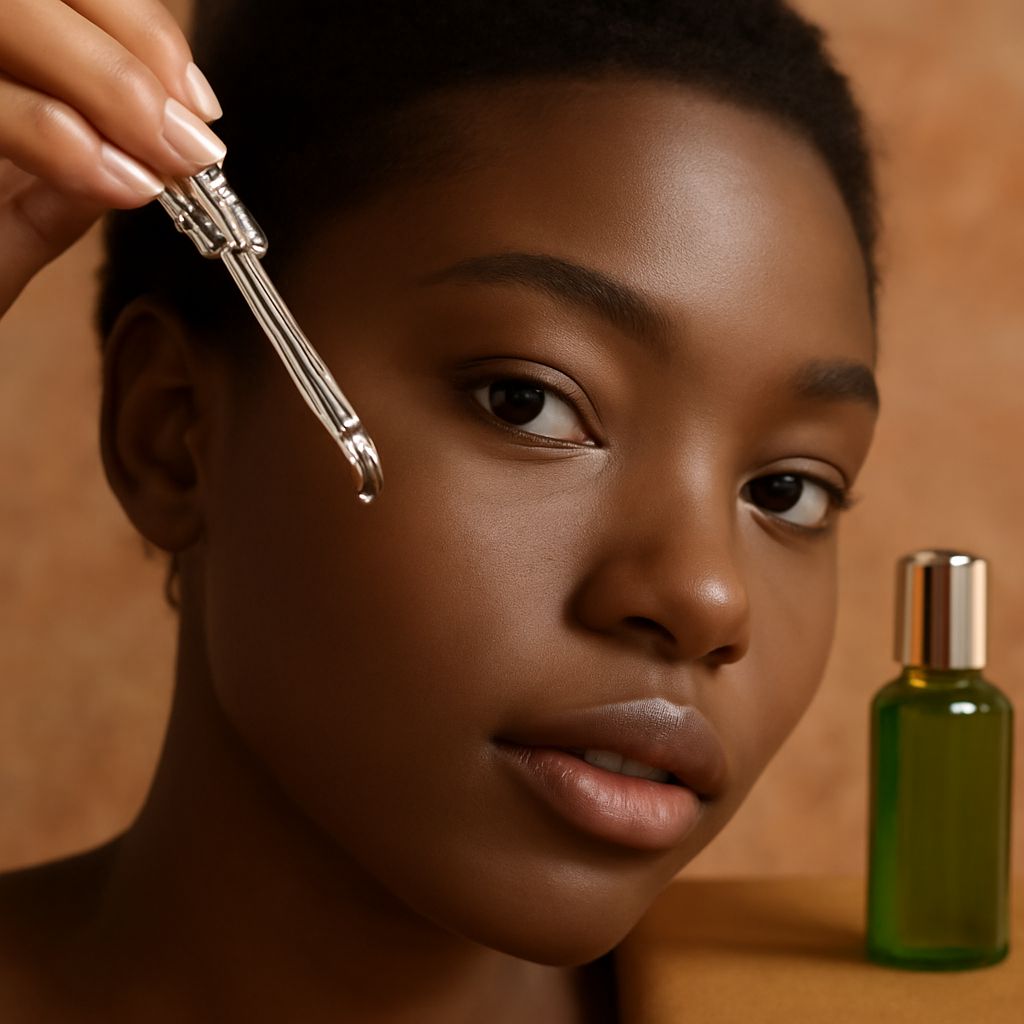
Acne-prone skin can be a challenging condition to manage, often leading individuals on a quest to find effective solutions. Fortunately, using the best oil for acne prone skin can be a game-changer in achieving clear skin. With the right face oils for acne and vitamins designed for acne prone skin, you can enhance your skincare routine and improve your complexion.
In this article, we’ll explore the top oils that are beneficial for those with acne-prone skin, why using oils can be advantageous, and how to incorporate them into your daily regimen. We’ll also touch on the essential vitamins that complement the use of oils in maintaining healthy skin.
What Makes an Oil the Best Oil for Acne Prone Skin?
Properties to Look For
When selecting the best oil for acne-prone skin, it’s crucial to consider oils that are non-comedogenic, meaning they do not clog pores. Look for oils with antibacterial, anti-inflammatory, and soothing properties. Lightweight oils that absorb quickly are often the best choices, as they provide moisture without leaving a greasy residue.
Common Misconceptions
A common misconception is that oils always worsen acne by making the skin oily. However, the right oils can actually regulate and balance natural oil production. Understanding which oils are beneficial can transform your perspective on their role in skincare.
Why Use Oils for Acne Prone Skin?
Benefits of Using Oils
Oils can provide essential nutrients and hydration that are often lacking in acne-prone skin. They help to maintain skin’s moisture barrier, reducing dryness and irritation, which can exacerbate acne. Additionally, many oils have antioxidant properties that protect skin from environmental damage.
How Oils Help with Acne
Oils help manage acne by reducing inflammation and fighting acne-causing bacteria. They can soothe irritated skin and promote healing, leading to fewer breakouts and improved skin texture. Incorporating the right oils into your routine can result in clearer and healthier skin.
Which are the Best Oils for Acne Prone Skin?
Tea Tree Oil
Tea tree oil is renowned for its antibacterial and anti-inflammatory properties, making it a popular choice for treating acne. Its ability to penetrate the skin and unblock sebaceous glands helps reduce inflammation and clear out clogged pores.
Jojoba Oil
Jojoba oil closely resembles the skin’s natural sebum, making it an excellent option for balance and control of oil production. It is non-comedogenic and can help dissolve excess sebum, reducing acne breakouts.
Rosehip Oil
Rich in essential fatty acids and vitamins, rosehip oil is known for its regenerative and healing properties. It helps to fade acne scars and improve skin tone, making it a beneficial addition to acne-prone skin care.
How to Incorporate the Best Face Oils for Acne into Your Routine
Daily Skincare Routine
Incorporating face oils into your skincare routine can be simple. Consider using oils after cleansing and toning but before applying moisturizer. Oils can be used both morning and night, depending on your skin’s needs.
Best Practices for Application
Apply oils by gently patting a few drops onto the skin with your fingertips. Allow the oil to absorb for a few minutes before applying other products. Consistency is key, so be sure to use the oils regularly to see the best results.
What are the Best Vitamins for Acne Prone Skin?
Vitamin C
Vitamin C is a powerful antioxidant that can reduce inflammation and promote collagen production. It helps brighten skin and fade post-acne marks, making it a valuable addition to your acne-fighting arsenal.
Vitamin E
Known for its healing properties, vitamin E supports skin repair and prevents moisture loss. It works well alongside face oils to enhance skin’s resilience against acne breakouts.
Frequently Asked Questions about Oils for Acne Prone Skin
Can Oils Make Acne Worse?
While some oils can exacerbate acne, using non-comedogenic oils specifically formulated for acne-prone skin can actually improve your complexion. It’s important to choose oils wisely and monitor how your skin responds.
How Often Should I Use Oils?
Oils can be used daily, but the frequency depends on your skin’s tolerance and needs. Start with applying oils once a day, then adjust as necessary based on your skin’s response.
Next Steps
Integrating the best oils and vitamins into your skincare routine can significantly benefit acne-prone skin. Start with a patch test to ensure compatibility, and consult a dermatologist if you have sensitive skin or persistent acne. Consistent use and attention to your skin’s needs will guide you towards a clearer complexion over time. Remember, patience and regular care are vital in managing acne effectively.





Leave a Reply