
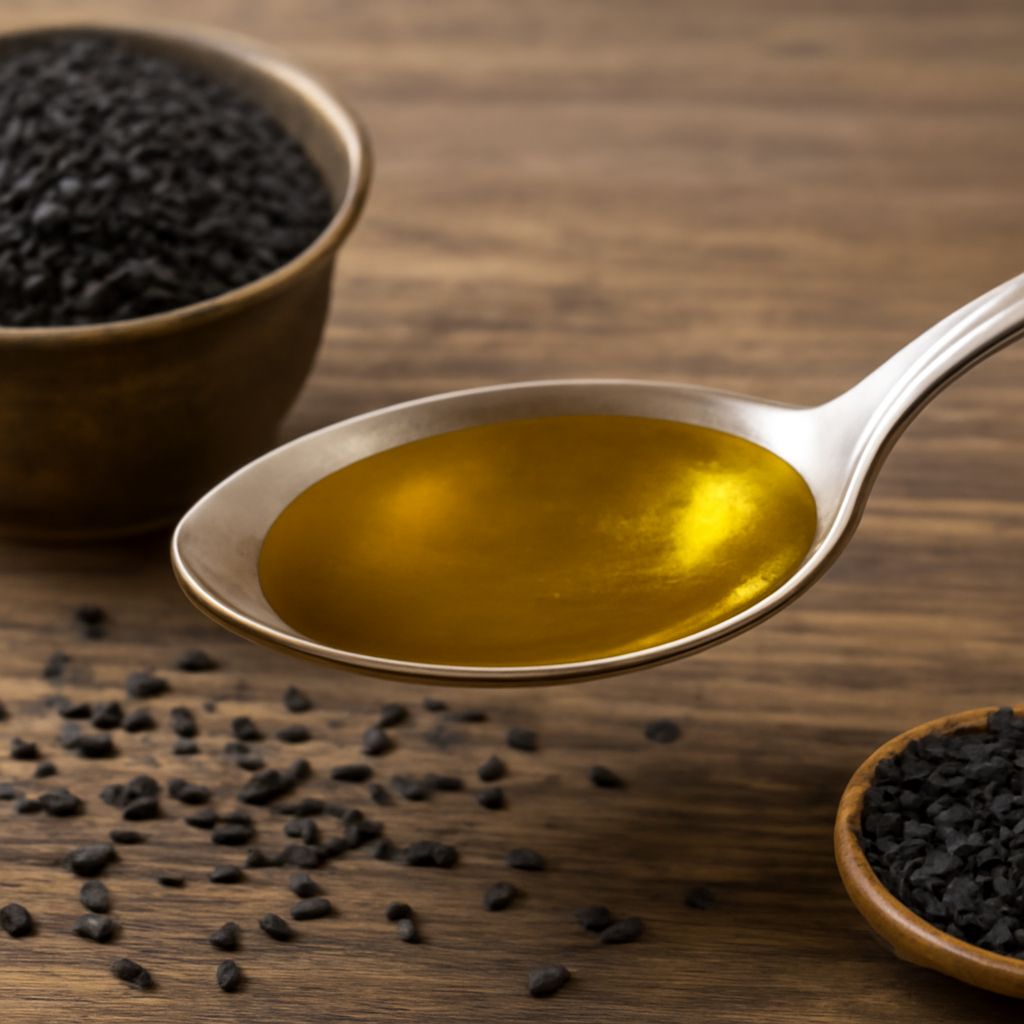
Acne is a common skin concern affecting millions worldwide, leading many to seek natural solutions for relief. Two trending options, black seed oil and hemp seed oil, are gaining attention for their potential benefits in managing acne-prone skin. While both oils offer unique properties, understanding their distinct advantages and how they can complement each other could be key in achieving clearer, healthier skin.
Black seed oil, known for its potent anti-inflammatory and antioxidant properties, is often considered a powerful ally against acne. Meanwhile, hemp seed oil provides a different approach, focusing on balancing the skin’s natural oils and reducing breakouts. Combining these oils can create a synergistic effect, maximizing their benefits and helping to address acne more effectively.
What Are the Benefits of Black Seed Oil for Skin?
Antioxidant Properties
Black seed oil is renowned for its high antioxidant content, which helps combat free radicals that contribute to skin aging and damage. These antioxidants can protect the skin from oxidative stress, potentially reducing the appearance of fine lines and promoting a more youthful complexion.
Anti-inflammatory Effects
The oil’s anti-inflammatory properties make it particularly effective in soothing irritated skin and reducing the redness associated with acne. By calming inflammation, black seed oil may help to decrease the severity of acne breakouts and support the healing process.
Moisturizing and Healing
Black seed oil also acts as a natural moisturizer, helping to maintain the skin’s hydration levels without clogging pores. Its nourishing properties support the skin’s barrier function, aiding in the repair of damaged skin and promoting a smooth, healthy appearance.
How Does Black Seed Oil Compare to Hemp Seed Oil for Acne Treatment?
Effectiveness in Reducing Acne
While both black seed oil and hemp seed oil are beneficial, their mechanisms differ. Black seed oil primarily reduces inflammation and bacterial growth, whereas hemp oil focuses on regulating oil production and moisturizing the skin, which can also help reduce acne.
Complementary Use with Hemp Oil
These oils can be used together to enhance their respective benefits. Black seed oil’s antibacterial and anti-inflammatory properties can work alongside hemp seed oil’s ability to balance oil production, providing a comprehensive approach to acne treatment.
Potential Side Effects
Though generally safe, both oils can cause reactions in sensitive individuals. It is important to perform a patch test before full application. Users should be mindful of any irritation or allergy symptoms and discontinue use if adverse reactions occur.
How to Use Black Seed Oil for Skin Care?
Application Techniques
To apply black seed oil, cleanse the face thoroughly and apply a few drops directly to the skin, especially on problem areas. Massage gently in circular motions until fully absorbed, preferably at night for best results.
Recommended Dosages
Using moderate amounts is vital. Typically, a few drops are sufficient for full-face coverage. Overuse can lead to greasy skin, which may exacerbate acne symptoms rather than alleviate them.
Combining with Other Oils
Black seed oil can be blended with carrier oils like jojoba or argan oil for added benefits and easier application. Mixing with other oils allows users to tailor skincare routines to their specific needs, enhancing hydration and nourishing properties.
Can Hemp Seed Oil Help with Acne?
Understanding Hemp Oil
Hemp seed oil is derived from the seeds of the hemp plant and is rich in omega-3 and omega-6 fatty acids. These essential fatty acids are crucial for maintaining skin health and play a role in reducing inflammation.
Benefits for Acne-prone Skin
This oil is non-comedogenic, meaning it won’t clog pores, making it suitable for acne-prone skin. Its ability to balance the skin’s oil production can result in fewer breakouts and a more balanced, clear complexion.
How to Use Hemp Seed Oil
Hemp seed oil can be applied directly to the skin or added to moisturizers. For best results, apply a few drops to clean skin, gently massaging until absorbed. It can be used both morning and evening as part of a daily skincare routine.
Are There Any Side Effects to Consider?
Allergic Reactions
Although rare, allergic reactions to black seed oil or hemp seed oil can occur. Symptoms might include redness, itching, or swelling. A patch test is recommended to rule out allergic responses before using these oils extensively.
Skin Irritation
Some individuals might experience mild irritation when using these oils, particularly if applied in excess. Starting with small amounts and gradually increasing usage can help the skin acclimate without causing irritation.
Precautions and Tips
Always choose high-quality, cold-pressed oils free from additives. If you have existing skin conditions or are using medication, consult a dermatologist before incorporating these oils into your routine.
Who Should Use Black Seed Oil and Hemp Seed Oil?
Skin Types Suitable for Use
Black seed oil and hemp seed oil are generally suitable for most skin types, including oily, dry, and combination skin. However, individuals with extremely sensitive skin should proceed with caution and perform a patch test.
Age Considerations
Both oils are appropriate for all age groups, from teenagers dealing with acne to adults seeking anti-aging benefits. The natural composition of these oils provides a gentle approach to skincare.
Lifestyle Factors
Those leading stress-filled or pollution-exposed lifestyles may find these oils particularly beneficial, as their antioxidant and anti-inflammatory properties can counteract the effects of environmental stressors on the skin.
Bottom line: Black seed oil and hemp seed oil offer promising natural solutions for acne and overall skin health. Their complementary properties can provide a well-rounded skincare approach, but it’s important to test for sensitivity and consult a professional if needed. Incorporating these oils into your skincare routine can help achieve clearer, healthier skin.




Leave a Reply