
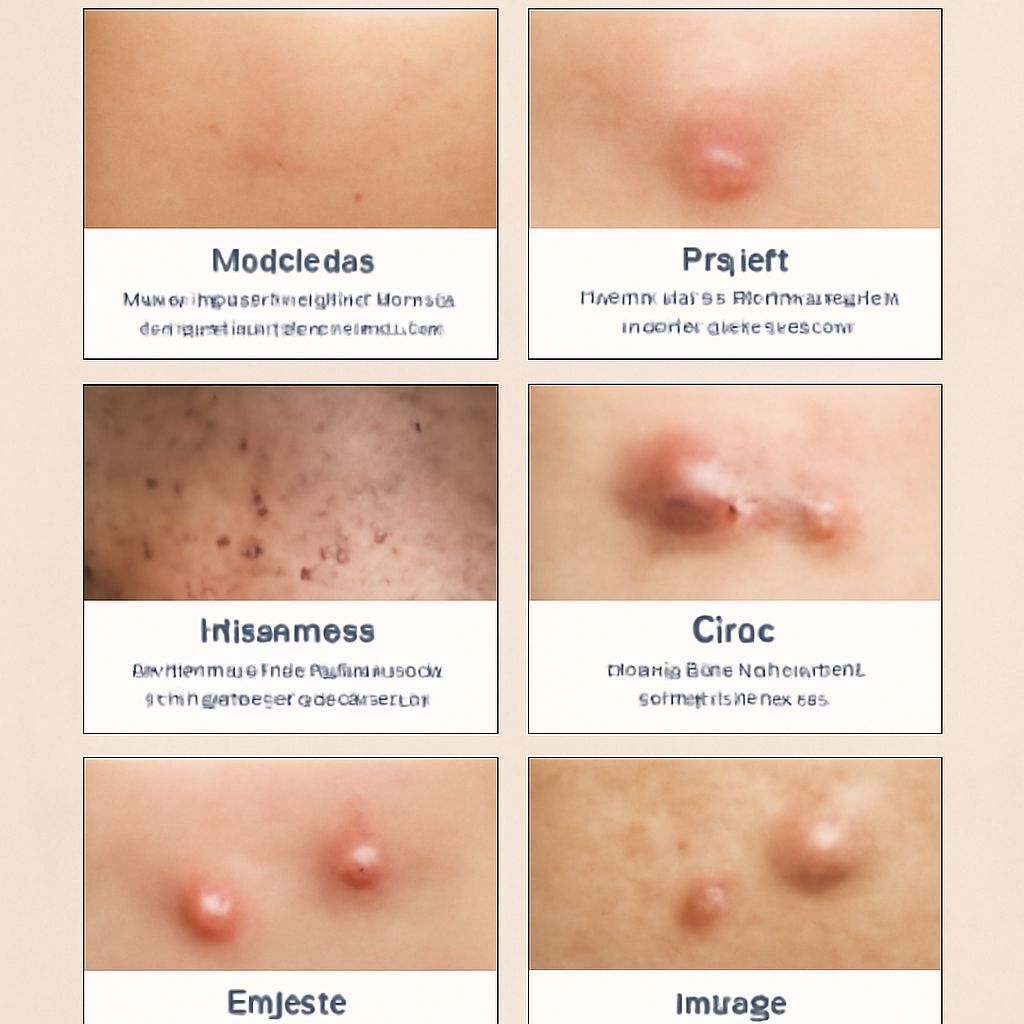
An acne map connects where breakouts appear on the face to possible internal or external triggers. The concept draws on traditional Chinese face mapping as well as modern dermatological understanding of sebaceous gland distribution, hormonal patterns, and lifestyle factors. An acne chart does not replace a medical diagnosis, but it provides a useful starting point for identifying patterns in recurring breakouts.
An acne face chart divides the face into zones and correlates each zone with likely triggers. A face map acne approach helps you ask better questions about your skincare routine, diet, stress level, and hormonal patterns. A face acne chart used alongside careful observation of your own breakout patterns is more useful than relying on any single zone interpretation without context.
Forehead Acne: What It Might Mean
The forehead has a high density of sebaceous glands and is frequently in contact with hair, hats, and hands. In face mapping, the forehead traditionally correlates with digestive health and stress. More practically, forehead breakouts often relate to hair products, fringe that sits against the skin, or comedogenic sunscreen applied at the hairline. Stress raises cortisol, which increases oil production, and the forehead often shows this response first.
Cheek Acne: Causes and Patterns
The cheeks are a common acne zone for several reasons. Traditional acne face chart interpretations link cheek breakouts to respiratory health or liver function. Dermatologically, more relevant factors include:
- Phone screen contact, which transfers bacteria to the lower cheek
- Pillowcase hygiene, as oils and bacteria accumulate on fabric
- Makeup products that clog pores or are not fully removed
- Environmental pollution, which settles on the cheeks throughout the day
Switching to a clean pillowcase every two to three days and sanitizing phone screens regularly produces noticeable improvement for many people with recurring cheek breakouts.
Chin and Jawline Acne: Hormonal Patterns
The chin and jawline are the most consistently hormonally driven areas in any acne chart analysis. Breakouts here tend to be deeper, more painful, and cycle-dependent in people who menstruate. They reflect androgen fluctuations that increase sebum production around ovulation and in the week before menstruation. Stress also drives hormonal chin breakouts through cortisol spikes. Dermatologists often treat persistent lower-face acne with hormonal approaches like oral contraceptives or spironolactone when topical treatments alone are insufficient.
Nose and T-Zone Acne
The nose and central T-zone have the highest sebaceous gland density on the face. In a face map acne context, the nose area correlates with cardiovascular health in traditional mapping, but practically it is simply the oiliest zone. Blackheads and sebaceous filaments are more common here than inflammatory breakouts. Salicylic acid cleansers, regular exfoliation, and non-comedogenic moisturizers help manage T-zone congestion. Over-stripping this area with harsh products backfires by stimulating more oil production.
Temple and Hairline Acne
Temple breakouts often correlate with hair and scalp products. Conditioners, oils, and styling products that run down onto the temples can clog pores. Sweat during exercise accumulates at the hairline and temples, creating a congested environment. In a face acne chart context, the temples are sometimes linked to the kidney or bladder in traditional mapping, but changing hair products or wiping temples post-workout is a more actionable starting point.
How to Use an Acne Map Practically
Track where breakouts appear for at least four to six weeks before drawing conclusions. Note what changed before a breakout appeared: diet, sleep quality, stress level, new products, or hormonal timing. Cross-reference observations with your acne face chart to identify the most plausible triggers. Address one potential cause at a time rather than changing everything at once, which makes it impossible to identify what actually worked.
Bottom line: An acne map is a useful observational tool, not a diagnostic system. The acne chart zones offer starting points for investigation, but individual patterns vary widely. Persistent, painful, or cystic acne in any zone warrants evaluation by a dermatologist rather than relying solely on face map acne interpretations.





Leave a Reply