
Can skin cancer kill you? Yes, it can, but the answer depends significantly on the type and stage of the cancer, as well as how quickly treatment begins. The three most common types of skin cancer vary considerably in how deadly they are. Basal cell carcinoma rarely spreads and is almost always curable. Squamous cell carcinoma carries a small risk of spreading. Melanoma can be life-threatening when it spreads to internal organs, making early detection critical.
How deadly is skin cancer depends on the type and how early it is caught. Untreated skin cancer, particularly melanoma, is significantly more dangerous than skin cancer treated at an early stage. At what age does skin cancer typically occur is another common concern. While risk increases with age and cumulative sun exposure, skin cancer can and does develop at younger ages, including in people in their 20s and 30s.
Types of Skin Cancer and Their Severity
Understanding the different types helps put risk in context.
Basal Cell Carcinoma
Basal cell carcinoma is the most common skin cancer. It grows slowly and almost never spreads to distant organs. Left untreated for years, it can invade deeper tissues and cause local destruction, but fatalities are rare. Treatment at any stage is typically straightforward and highly effective.
Squamous Cell Carcinoma
Squamous cell carcinoma is the second most common type. It carries a small risk of spreading to lymph nodes or internal organs, particularly in immunocompromised individuals or when located on the lips, ears, or hands. When caught early, the prognosis is excellent. How deadly is skin cancer of this type depends heavily on whether it spreads.
Melanoma
Melanoma accounts for the majority of skin cancer deaths despite being less common than basal or squamous cell types. It spreads more rapidly than other skin cancers and can reach the lymph nodes, lungs, liver, and brain if untreated. Melanoma caught at stage 1 has a five-year survival rate above 98%. Melanoma caught at stage 4, after spreading to distant organs, drops significantly. Early detection saves lives.
How to Get Rid of Moles on Skin
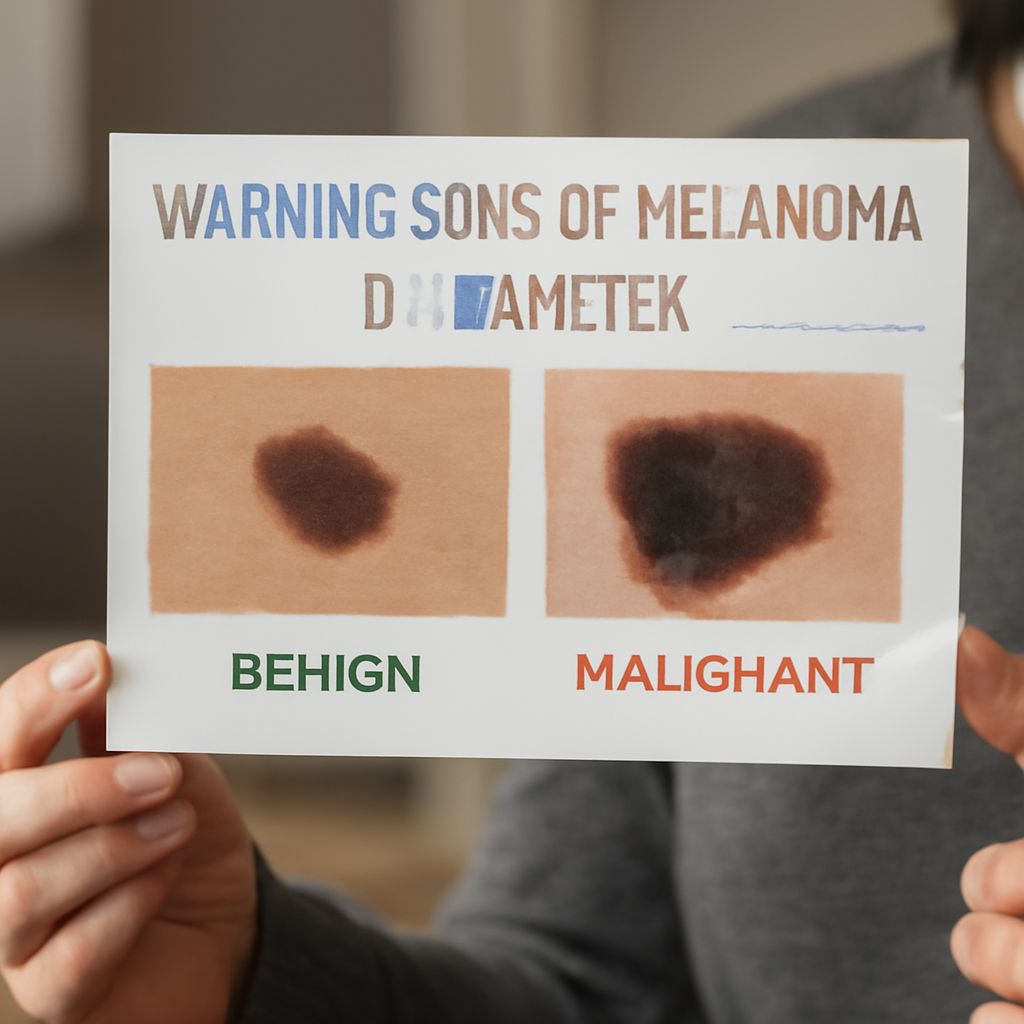
Moles themselves are not skin cancer, but certain mole characteristics indicate elevated risk. The ABCDE rule helps identify concerning moles: Asymmetry, Border irregularity, Color variation, Diameter larger than 6mm, and Evolution (changes over time). Any mole with these characteristics should be evaluated by a dermatologist, not removed at home. How to get rid of moles on skin safely involves professional surgical excision, laser treatment, or shave removal, all performed by a physician. Home removal methods such as creams or tying off with thread are not safe and can delay diagnosis of melanoma.
Untreated Skin Cancer: What Happens
Untreated skin cancer progresses differently depending on type. Basal cell carcinoma grows slowly and can become ulcerated or deeply invasive over years. Squamous cell carcinoma may spread to regional lymph nodes. Untreated melanoma can spread to multiple organ systems within months. The consequences of untreated skin cancer range from local tissue damage to life-threatening metastatic disease. Regular skin checks, both self-exams and professional screenings, prevent the scenario where skin cancer advances undetected.
At What Age Does Skin Cancer Typically Occur?
Skin cancer most commonly develops in people over 50, reflecting decades of cumulative UV exposure. However, melanoma is one of the most common cancers in adults aged 25 to 29. Younger people, particularly those with light skin, a history of sunburns, or significant UV exposure from tanning beds, are at real risk. Sun protection starting in childhood reduces lifetime risk substantially.
Prevention and Early Detection
SPF 30 or higher broad-spectrum sunscreen applied daily, avoiding tanning beds, wearing protective clothing, and seeking shade during peak UV hours (10 a.m. to 4 p.m.) all reduce risk. Annual full-body skin checks by a dermatologist catch suspicious changes early. Monthly self-examination helps you notice new or changing spots between appointments.
Pro tips recap: Skin cancer can be fatal, particularly melanoma when detected late. Untreated skin cancer of any type carries increasing risk over time. Early detection through regular skin checks is the single most effective strategy for improving outcomes and reducing how deadly skin cancer ultimately becomes.




Leave a Reply