
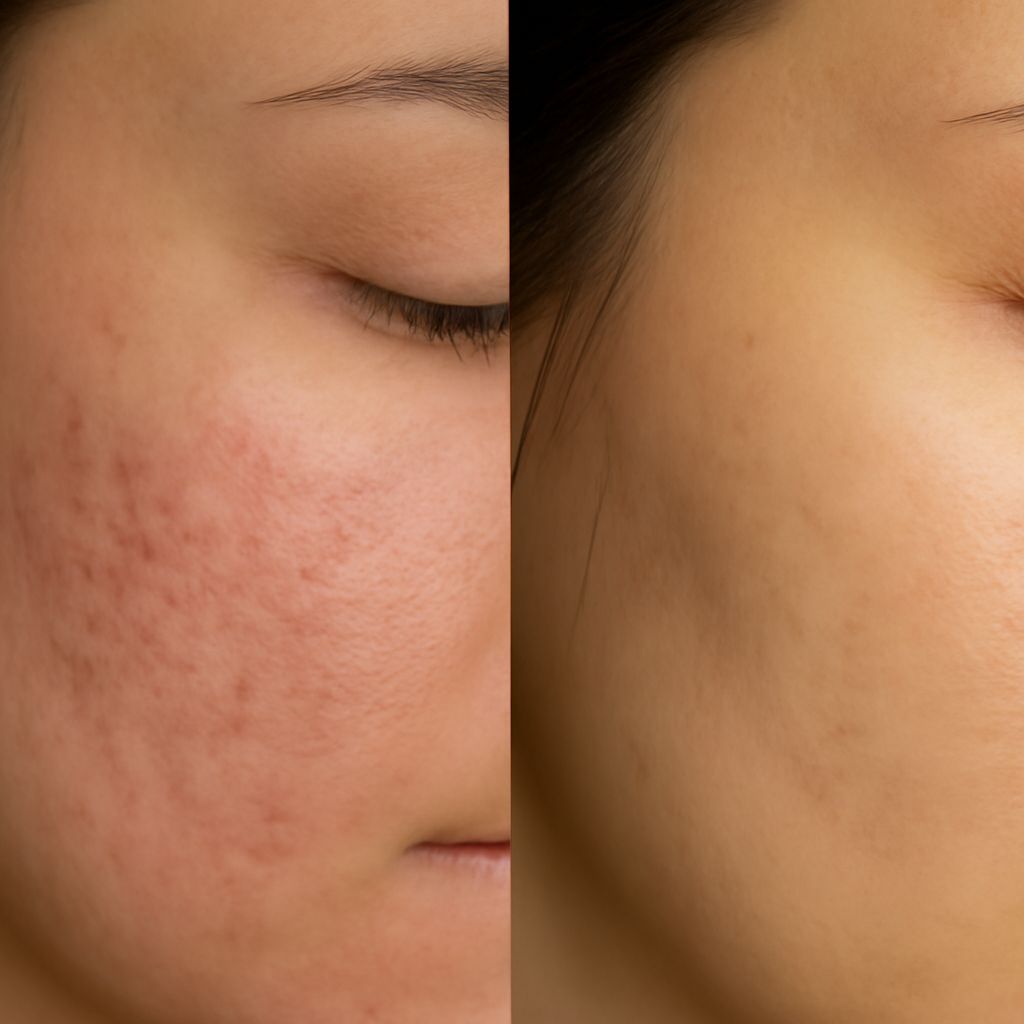
Acne, a common skin condition, often leaves behind unappealing reminders in the form of indented acne scars. These pitted skin blemishes can affect self-esteem and confidence. Subcision acne scars treatment offers a promising solution for those seeking to improve the appearance of their skin. Through this innovative approach, individuals can tackle the challenging problem of pitted skin, achieving smoother and more even skin texture.
What Are Pitted Acne Scars and How Do They Form?
Causes of Pitted Skin
Pitted acne scars, often referred to as atrophic scars, are a result of severe acne inflammation. When acne eruptions damage the skin tissue, they can lead to the loss of collagen, leaving behind indentations. These indentations, or pits, are primarily caused by the body’s inability to regenerate the skin effectively after the damage. Factors such as genetics, the severity of acne, and delayed treatment can exacerbate the formation of pitted skin.
Types of Indented Acne Scars
Indented acne scars manifest in several forms, each with distinct characteristics. Ice pick scars are narrow and deep, resembling small puncture wounds. Boxcar scars, on the other hand, are broader with defined edges and tend to be shallower. Finally, rolling scars create the appearance of undulating skin, often resulting from wider areas of damage. Understanding the types of indented scars is crucial for determining the most effective treatment strategy.
How Does Subcision Treat Acne Scars?
The Subcision Procedure Explained
Subcision is a minimally invasive procedure designed to treat acne scars by breaking up the fibrous bands tethering the skin. During the process, a needle is inserted beneath the scar tissue, allowing it to release from the underlying structures. This encourages the formation of new collagen as the skin begins to heal, ultimately leading to a smoother surface. The subcision acne scars technique is particularly effective for treating rolling and boxcar scars.
Effectiveness of Subcision for Acne Scars
Numerous studies have demonstrated the effectiveness of subcision for improving the appearance of acne scars. By targeting the adhesions that pull the skin downwards, subcision promotes a natural lifting effect. Patients often experience noticeable improvement in skin contour and texture after just a few sessions. However, the success of subcision may vary based on the severity and type of scars, as well as individual healing responses.
What Are the Benefits and Risks of Subcision?
Advantages of Subcision
Subcision offers several advantages as a treatment for indented acne scars. It is relatively quick and can be performed in a dermatologist’s office. Because it stimulates collagen production, the results can be long-lasting. Additionally, when compared to more invasive procedures, subcision typically involves less downtime and can be combined with other treatments for enhanced results.
Possible Side Effects
While subcision is generally safe, there are potential side effects to consider. Patients may experience temporary bruising, redness, and swelling at the treatment site. In rare instances, infection or prolonged bleeding can occur. It is essential to consult with a qualified dermatologist to assess individual skin sensitivity and to ensure the procedure is performed safely. Adhering to post-procedure care instructions helps mitigate risks.
Are There Alternatives to Subcision for Indented Scars?
Other Treatment Options
Besides subcision, several other treatments can address indented acne scars. Laser therapy is popular for its ability to resurface the skin and stimulate collagen. Chemical peels can improve scar texture by exfoliating the outer layers of skin. Additionally, dermal fillers offer temporary improvement by filling in depressed scars. Each option has its own benefits and limitations, making it crucial to consult a professional for personalized advice.
Combining Treatments for Best Results
In many cases, combining treatments yields the best outcomes for indented skin. For instance, subcision can be paired with laser therapy or microneedling to enhance collagen production and skin renewal. Integrating multiple approaches allows for comprehensive treatment of various scar types, optimizing skin improvement. It’s vital to create a tailored plan with a dermatologist, leveraging the strengths of each technique to achieve the desired results.
Pro Tips Recap: Understanding your acne scars’ type and cause is key in selecting effective treatments. Subcision offers a promising method to tackle pitted skin, but exploring alternatives like laser therapy and chemical peels is worthwhile. Always consult a skincare professional, especially when considering treatment combinations, to ensure safety and efficacy. Most importantly, follow post-treatment care instructions to maximize benefits and minimize risks.




Leave a Reply