
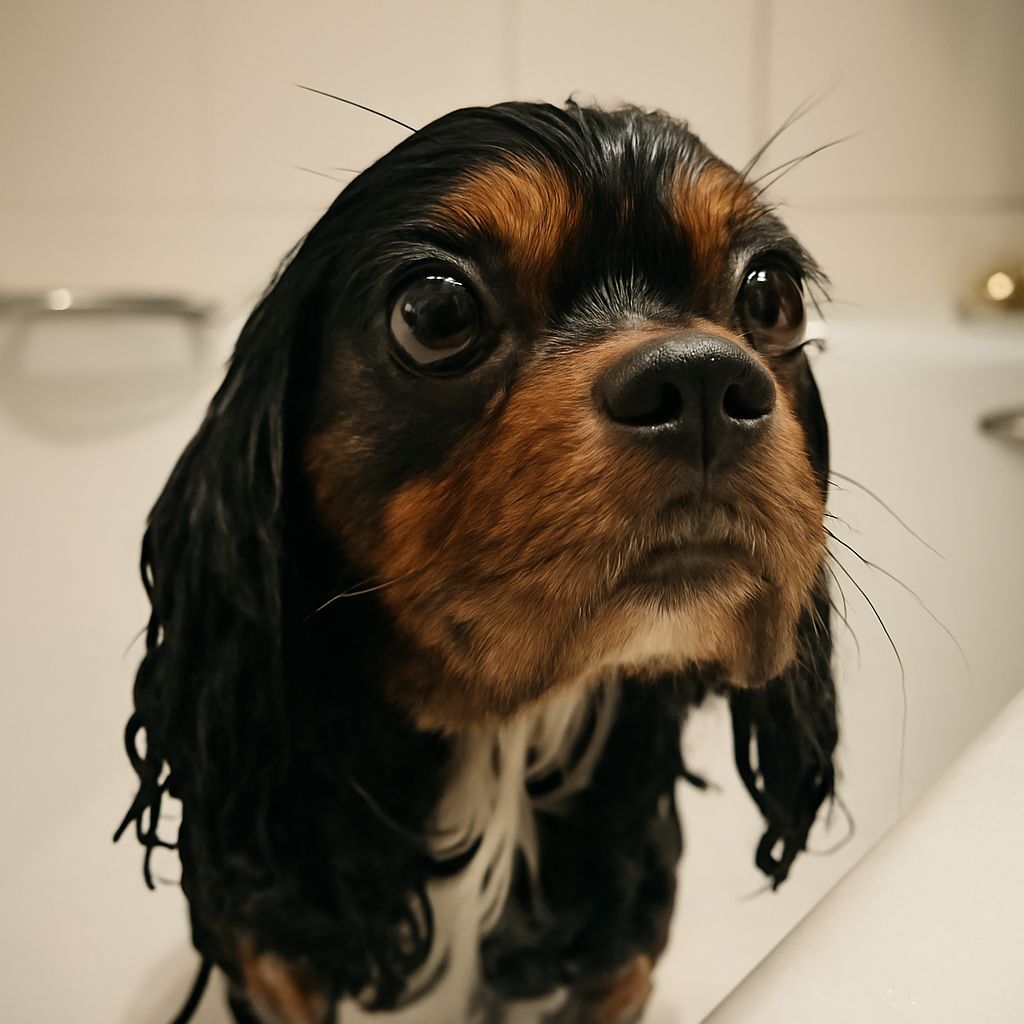
Effective dog dandruff treatment starts with identifying why your dog has dandruff in the first place. Knowing how to get rid of dog dandruff permanently means looking beyond the surface flakes to the underlying cause, whether that is diet, environment, skin condition, or parasites. Without addressing the root issue, any treatment produces only temporary improvement.
How to get rid of dandruff on dogs depends on the trigger. Some cases of dandruff dogs experience respond quickly to simple dietary changes or humidity adjustments. Others require medicated shampoos or veterinary treatment for underlying conditions. Even mild doggy dandruff warrants attention, as chronic skin irritation can lead to secondary infections over time.
What Causes Dog Dandruff?
Multiple factors contribute to dandruff in dogs. The most common include:
Nutritional Deficiency
A diet low in omega-3 and omega-6 fatty acids leaves the skin barrier weak and prone to flaking. Many commercial dog foods contain adequate fat for maintenance but not enough to actively support skin health in dogs prone to dryness. Supplementing with fish oil is one of the most accessible dog dandruff treatment approaches and shows results within several weeks.
Environmental Dryness
Low humidity, particularly during winter with indoor heating running, strips moisture from dog skin just as it does human skin. A humidifier in the dog’s sleeping area can noticeably reduce seasonal doggy dandruff.
Cheyletiella Mites (Walking Dandruff)
One specific cause of dandruff dogs present with is cheyletiellosis, sometimes called walking dandruff because the flakes appear to move. This is actually a mite infestation that produces heavy scaling, usually along the back. It is contagious to other pets and sometimes to humans. It requires veterinary treatment, not home remedies.
Seborrhea
Seborrhea in dogs produces excessive scaling that can be dry (seborrhea sicca) or greasy (seborrhea oleosa). Primary seborrhea is genetic and more common in cocker spaniels, basset hounds, and West Highland white terriers. Secondary seborrhea results from allergies, hormonal imbalances, or infections and is more common overall.
Medicated Shampoos for Dog Dandruff
Veterinary-formulated shampoos are often the first-line dandruff treatment for dogs. Effective ingredients include:
- Selenium sulfide or coal tar for seborrheic conditions
- Benzoyl peroxide to degreeze and clear follicles
- Chlorhexidine for antibacterial action when secondary infection is present
- Salicylic acid to remove excess scale
Leave medicated shampoo on for 5 to 10 minutes before rinsing for full effectiveness. Use once or twice weekly during active flare-ups, then reduce frequency as the condition improves.
Dietary Changes and Supplements
Omega fatty acid supplementation is among the most impactful steps for chronic dog dandruff. Choose a fish oil product formulated for dogs with dosing instructions by weight. Results take two to four weeks to appear in coat and skin quality. Switching to a higher-quality food with quality protein and fat sources can also make a meaningful difference for dandruff dogs whose diet has been suboptimal.
Brushing and Grooming Frequency
Regular brushing distributes natural oils through the coat and removes dead skin cells before they accumulate as visible flakes. For most dogs, brushing three to four times per week is sufficient. Dogs with dense or long coats benefit from daily brushing. Use a brush appropriate to the coat type to avoid skin irritation.
When Home Treatment Is Not Enough
If dandruff persists beyond four to six weeks of consistent home treatment, or if it is accompanied by hair loss, redness, an unusual smell, or intense scratching, a veterinary evaluation is the right next step. Blood tests can identify thyroid disorders or other systemic causes. Skin scrapings check for mites or fungal infection. A veterinarian can prescribe targeted treatment that goes beyond what OTC options provide.
Safety note: Never use human dandruff shampoos on dogs. Ingredients like selenium sulfide at human concentrations and fragrances can be toxic or irritating to dog skin. Always use products formulated for canine use or recommended by your veterinarian.


Leave a Reply