
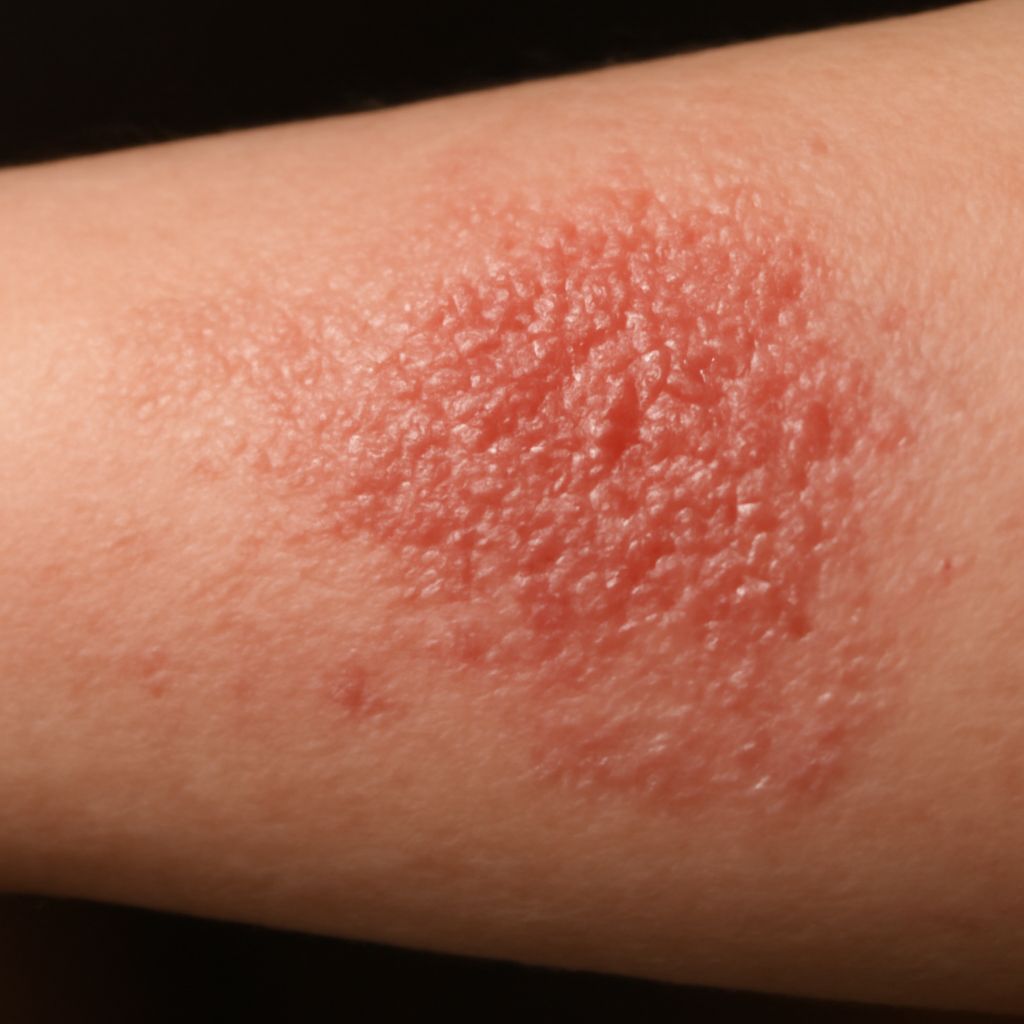
Not every rash can spread from person to person, but contagious skin rashes are more widespread than many people realize. Some of the most common contagious skin conditions, including ringworm, impetigo, and scabies, pass through direct skin contact or shared surfaces. Knowing which rashes are contagious and how transmission works helps you protect yourself and others while getting the right treatment faster.
Contagious skin diseases vary widely in how they spread, how long they are transmissible, and who is most at risk. Contagious skin disease can range from mild and easily treated to persistent and difficult to control in communal settings. A contagious skin rash that goes unidentified often spreads further simply because people do not know to take precautions. This guide covers the most common contagious skin conditions, their triggers, and how to manage them.
Most Common Contagious Skin Rashes
Several skin conditions spread reliably between people through different routes of transmission.
Ringworm (Tinea)
Despite the name, ringworm is a fungal infection, not a parasite. It appears as circular, scaly patches with raised edges and a clearer center. Ringworm spreads through direct contact with infected skin, contaminated surfaces, or animals. Scalp ringworm (tinea capitis) is particularly common in children and spreads readily in school settings.
Impetigo
Impetigo is one of the most contagious skin diseases affecting young children. It produces honey-colored crusts around the nose and mouth, or blistering lesions on other areas of the body. The bacteria behind impetigo (Staphylococcus aureus or Streptococcus pyogenes) spread through direct contact with sores or contaminated towels and clothing. Children with active impetigo should stay home from school until 24 hours after starting antibiotic treatment.
Scabies
Scabies involves a microscopic mite that burrows into the outer layers of skin, causing intense itching, particularly at night. It spreads through prolonged skin-to-skin contact and less commonly through shared bedding or clothing. Entire households often need simultaneous treatment to prevent reinfection.
Molluscum Contagiosum
This viral skin infection produces small, dome-shaped bumps with a dimpled center. It spreads through direct contact and is common in children, though adults can also acquire it. Most cases resolve without treatment, but the condition can persist for months to years in some individuals.
How Contagious Skin Conditions Spread
Understanding transmission routes helps with prevention.
Direct Skin Contact
Most contagious skin rashes spread most efficiently through direct contact with infected skin. This includes touching active lesions, hugging, or sharing a bed with someone who has an active infection.
Indirect Contact
Many contagious skin diseases also spread through contaminated objects. Towels, sports equipment, clothing, and shared cosmetics can harbor fungi, bacteria, or viruses that transfer to new hosts. Ringworm commonly spreads through shared gym equipment and locker room floors.
Who Is Most at Risk
Children are more susceptible to many contagious skin conditions due to frequent close contact in school and daycare settings and developing immune systems. Athletes who have skin-to-skin contact in sports like wrestling or rugby face higher rates of tinea and impetigo. People with compromised immune systems, including those on immunosuppressive medications, are more vulnerable to severe or persistent contagious skin rashes.
Treatment Approaches
Treatment depends on the specific condition and organism involved. Ringworm responds to topical or oral antifungal medications. Impetigo requires topical or oral antibiotics depending on severity. Scabies is treated with topical permethrin cream applied to the entire body from neck to toes, left on overnight, then washed off. All household members and close contacts should be treated simultaneously. Molluscum may be treated or monitored depending on severity and location.
Prevention and Hygiene
Frequent handwashing, avoiding shared personal items like towels and razors, and covering active lesions reduce transmission significantly. In household settings with a contagious skin rash, wash bedding and clothing in hot water. Athletes should shower immediately after practice and avoid sharing equipment. Early diagnosis and treatment are the most reliable ways to limit spread in communal environments.
Safety note: If you are unsure whether a rash is contagious, see a healthcare provider before resuming normal activities that involve close contact. Self-diagnosis is unreliable for many contagious skin diseases, and incorrect treatment can delay recovery and increase transmission risk.




Leave a Reply