
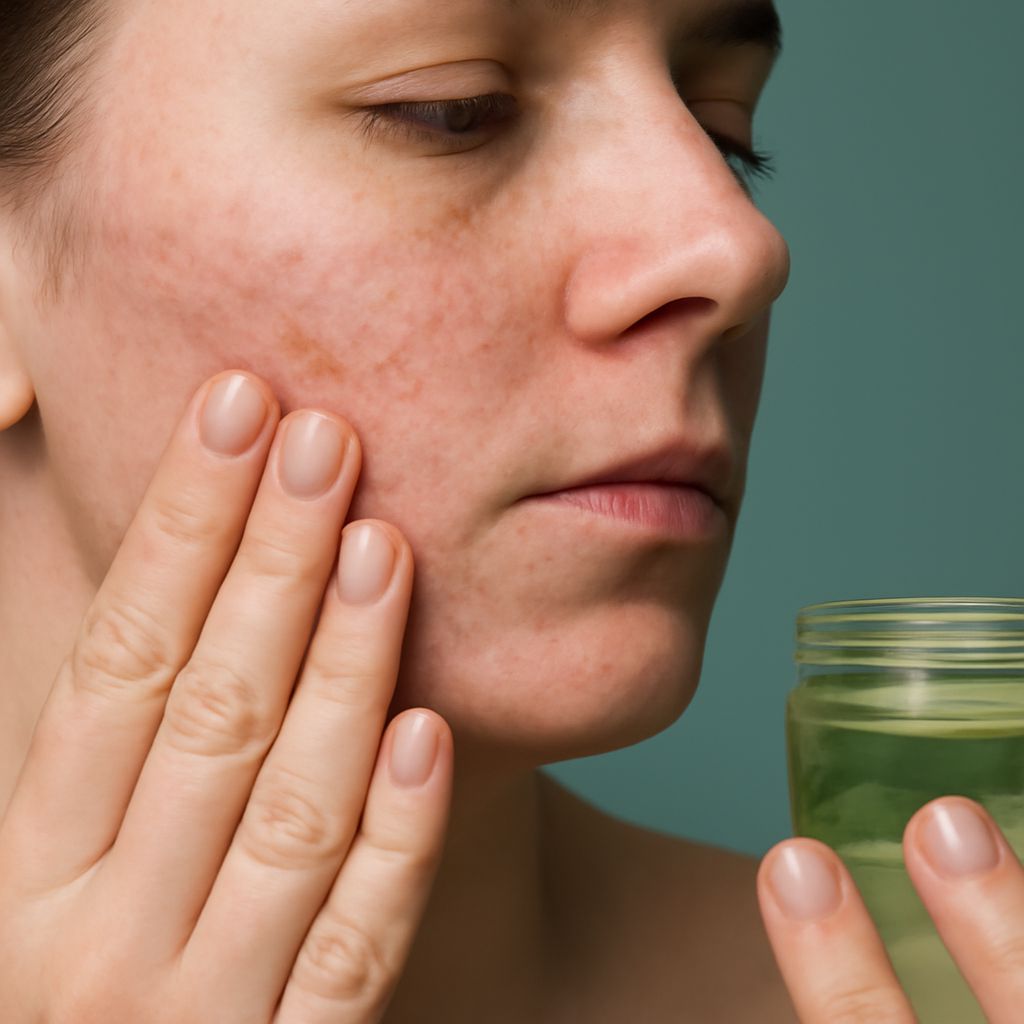
Acne is a prevalent skin condition affecting millions worldwide. While there are numerous treatments available, many individuals seek natural remedies that are gentle yet effective. Jojoba oil acne treatment is gaining popularity due to its unique properties that closely mimic the skin’s natural sebum. This similarity allows jojoba oil to hydrate and balance the skin, potentially reducing acne without harsh chemicals. With the increasing interest in natural skincare, it’s crucial to understand how to use jojoba oil for acne effectively and compare it to other options, like emu oil for acne, to make informed choices.
What Makes Jojoba Oil Effective for Acne?
Jojoba oil is renowned for its ability to regulate oil production, which is essential for controlling acne. Unlike many oils, jojoba oil is actually a wax ester rather than a true oil. This characteristic enables it to form a protective barrier on the skin, locking in moisture without clogging pores. Its anti-inflammatory properties help reduce redness and swelling, while its antibacterial elements address acne-causing bacteria. This multifaceted approach makes jojoba oil a viable solution for those struggling with acne.
How to Use Jojoba Oil for Acne Treatment
Choosing the Right Jojoba Oil
When selecting jojoba oil, opt for organic, cold-pressed varieties to ensure maximum purity and effectiveness. These options are free from additives and retain more of the beneficial compounds that help combat acne.
Application Techniques
To apply jojoba oil, start by cleansing your face thoroughly. Use a few drops of jojoba oil and gently massage it into your skin, focusing on areas affected by acne. You can also combine jojoba oil with other natural remedies like tea tree oil for enhanced effects.
Frequency of Use
For optimal results, jojoba oil should be used daily. Incorporate it into your morning and evening skincare routine. Consistent use aids in maintaining balanced oil production and clear skin over time.
Comparing Jojoba Oil and Emu Oil for Acne
Benefits of Jojoba Oil
Jojoba oil’s non-comedogenic nature makes it suitable for all skin types, including sensitive skin. It hydrates the skin without causing irritation, making it an excellent choice for those with recurring acne issues.
Benefits of Emu Oil
Emu oil is another natural remedy known for its rich concentration of fatty acids, which aid in repairing damaged skin and reducing inflammation. It’s particularly beneficial for deep acne scars and irritated skin.
Which Oil is Better for Your Skin?
Choosing between jojoba oil and emu oil depends on your skin type and specific concerns. Jojoba oil is ideal for those with oily or combination skin due to its ability to balance sebum production. Emu oil, on the other hand, may be better for individuals needing intensive skin repair and hydration.
Common Mistakes When Using Jojoba Oil for Acne
One common mistake is using too much oil, which can lead to over-moisturizing and potentially clogged pores. Another error is inconsistent application; skipping days can hinder the effectiveness of jojoba oil over time. Additionally, failing to select high-quality oil can result in poor results.
Additional Tips for Managing Acne Naturally
Beyond using jojoba oil, maintaining a balanced diet and staying hydrated are crucial for healthy skin. Limiting sugar and dairy can reduce inflammation and acne flare-ups. Incorporate regular exfoliation into your routine to remove dead skin cells and unclog pores, and consider integrating stress-reduction techniques like meditation to minimize acne triggers.
Frequently Asked Questions about Jojoba Oil and Acne
- Can jojoba oil cause acne? Jojoba oil is non-comedogenic and unlikely to cause acne. However, excessive use might lead to clogged pores.
- How long does it take for jojoba oil to clear acne? Results vary; some see improvements in weeks, while others may take longer. Consistent use is key.
- Is jojoba oil safe for sensitive skin? Yes, it’s generally safe. Always patch-test a small area first to ensure compatibility.
- Can I mix jojoba oil with other oils? Mixing with oils like tea tree or rosehip can enhance benefits, but ensure they are suitable for your skin type.
Next Steps
Integrating jojoba oil into your daily skincare routine can be a transformative step toward managing acne naturally. Consistent application, combined with lifestyle changes like diet and stress management, will support your journey to clearer skin. Always remember to monitor your skin’s response and adjust use accordingly. Safety note: Avoid using sharp tools or aggressive exfoliants alongside oil treatments to prevent skin sensitivity.



Leave a Reply