
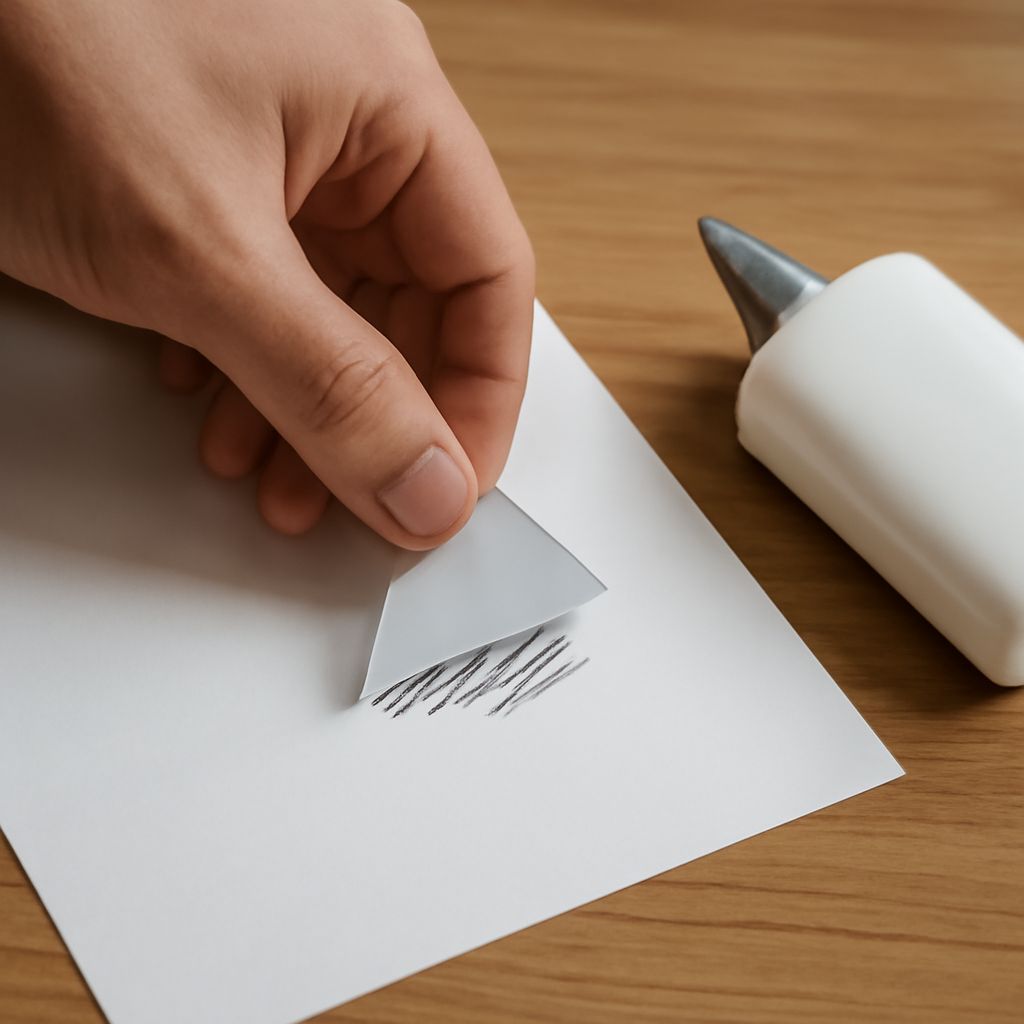
Have you ever found yourself with unsightly pen marks or stubborn printer ink stains on your skin? These marks can be both frustrating and persistent, causing a blemished appearance that is hard to ignore. Fortunately, there are effective techniques to remove these ink stains and restore your skin to its natural state. This article explores how to get pen off skin, remove printer ink from skin, and achieve the goal of porcelain skin, all while maintaining safety and skin health.
Understanding the interaction between ink and skin is the first step towards effective removal. By knowing how ink bonds to the skin, you can choose the right methods for removal. From household items to specialized products, there are numerous ways to get ink off of skin. Let’s delve into the details of these methods and learn the secrets to maintaining beautiful, ink-free skin.
Understanding Ink and Skin Interaction
When ink comes into contact with skin, it can penetrate the outer epidermis layer, especially if the skin is dry or damaged. The pigments in the ink bond with skin cells, making it challenging to remove. Some inks, like those from fountain pens or printer cartridges, contain solvents that may increase absorption into the skin. Understanding this interaction is crucial to selecting the right removal techniques.
How to Get Pen Off Skin
Removing pen ink requires a gentle approach to avoid irritating the skin. Start by washing the area with soap and warm water to remove as much ink as possible. If the stain persists, try applying a small amount of rubbing alcohol or hand sanitizer, which can dissolve the ink’s oils. Be sure to moisturize the skin afterward to prevent dryness.
For those with sensitive skin, olive oil or coconut oil can be effective alternatives. Gently rub the oil onto the ink stain, allowing it to break down the ink before wiping it away with a soft cloth.
Methods to Remove Printer Ink from Skin
Printer ink can be more challenging to remove due to its formulation. However, several household items can help. Baking soda mixed with water to form a paste can act as a mild abrasive, lifting the ink away from the skin. Apply the paste gently, then rinse thoroughly.
Alternatively, vinegar’s acetic acid can break down ink components. Soak a cotton ball in vinegar and dab it on the stained area. After a few minutes, wash the area with soap and water.
Effective Ways to Get Ink Off of Skin
Combining techniques can be more effective for stubborn ink stains. For example, try using a sugar scrub made from mixing sugar and olive oil. The sugar acts as an exfoliant, while the oil dissolves the ink. Rub the mixture onto the skin gently, rinse with water, and pat dry.
Lemon juice, known for its natural bleaching properties, can also help lighten ink stains. Apply lemon juice directly to the stain and let it sit for a few minutes before washing off.
Achieving Porcelain Skin After Ink Removal
Once the ink has been removed, maintaining your skin’s health and appearance is essential. Regularly moisturizing the skin helps keep it hydrated and resilient against future ink stains. Consider using a hydrating lotion or aloe vera gel to soothe and protect the skin.
Exfoliating weekly can remove dead skin cells and prevent ink from adhering deeply. Choose a gentle exfoliator suitable for your skin type to avoid irritation.
Safety Tips for Ink Removal
While attempting to remove ink from skin, it’s crucial to prioritize safety. Avoid using harsh chemicals that can cause skin irritation or damage. Always patch test any new product on a small area of skin before applying it to a larger area.
Be cautious when using sharp tools or scrubbing too hard, as this can lead to cuts or abrasions. If you experience any adverse reactions, discontinue use immediately and consult a dermatologist if necessary.
Pro tips recap: For effectively removing ink from skin, start with mild substances like soap and water, progressing to gentle oils or household items for more stubborn stains. Maintain skin health post-removal through moisturizing and regular exfoliation. Prioritize safety by avoiding harsh chemicals and performing patch tests.




Leave a Reply