
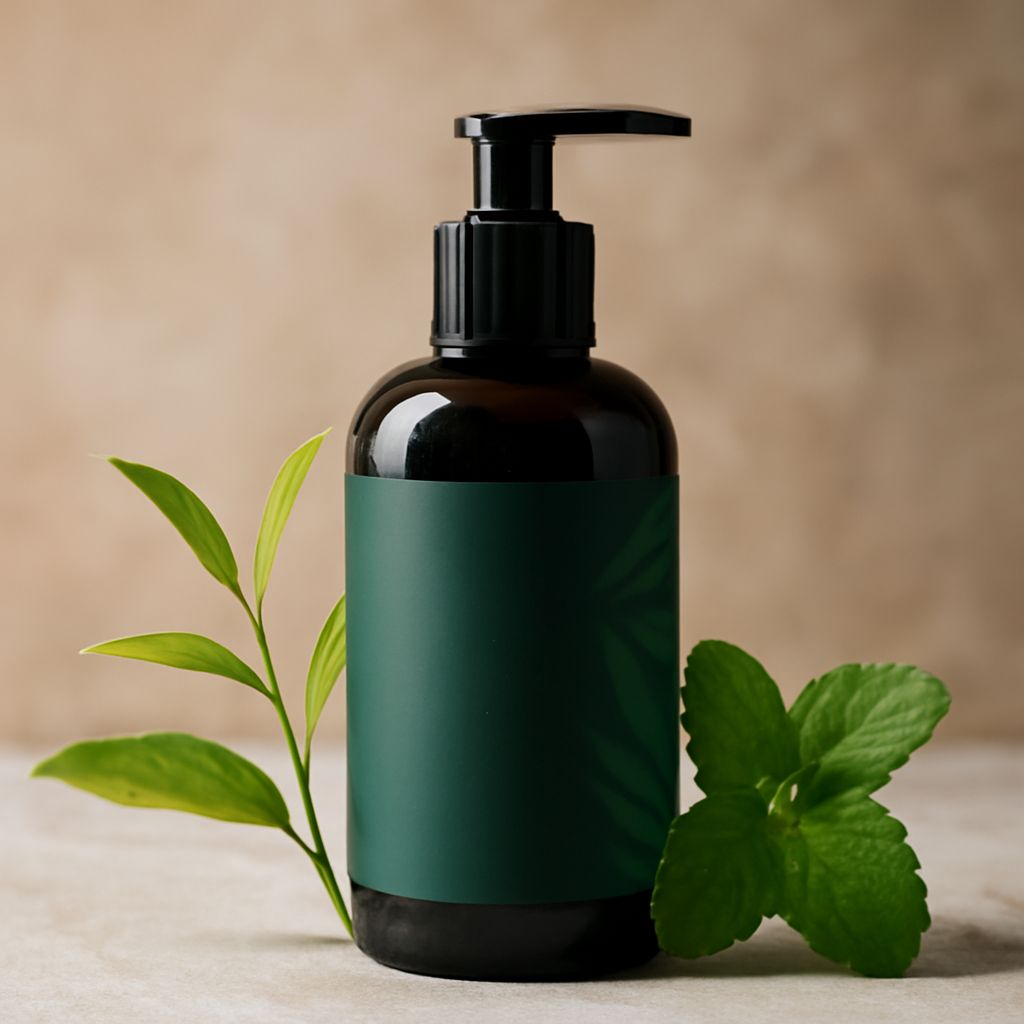
Dealing with acne and itchy skin can be distressing for many individuals seeking clear and healthy skin. While various treatments exist, identifying the best approach for your skin type can often be overwhelming. Fortunately, incorporating effective solutions like acne antibacterial soap and vitex for acne into your skincare routine can bring significant relief. By understanding how these options work and knowing how to choose the best soap for itchy skin, you can enhance your skin’s health and achieve a clearer complexion.
In this comprehensive guide, we will explore how antibacterial soap for acne functions, the criteria for selecting the most suitable soap for your skin type, the benefits of using vitex acne treatments, and potential risks associated with these products. Additionally, we’ll offer practical tips on incorporating these products into your daily skincare regimen.
What Makes Acne Antibacterial Soap Effective?
Acne antibacterial soap is formulated to target bacteria that are often responsible for acne breakouts. These soaps typically contain active ingredients such as triclosan, benzoyl peroxide, or tea tree oil, which are known for their antibacterial properties. By reducing the bacterial load on the skin, these soaps can minimize the occurrence of acne flare-ups.
Moreover, these soaps often include exfoliating components that help remove dead skin cells and unclog pores, further preventing the formation of acne. Regular use can lead to a noticeable improvement in both the texture and clarity of the skin.
How to Choose the Best Soap for Itchy Skin?
Selecting the best soap for itchy skin requires understanding the specific needs of your skin. Look for soaps that are free from harsh chemicals and artificial fragrances, as these can exacerbate skin irritation. Natural ingredients such as oatmeal, aloe vera, and chamomile are known for their soothing properties and can alleviate itchiness while keeping the skin hydrated.
It’s also crucial to consider the soap’s pH level; products that maintain the skin’s natural pH balance are less likely to cause irritation. Testing a patch of skin before regular use can help ensure the product is safe and effective for your particular skin type.
How Does Vitex for Acne Work?
Vitex, also known as chaste tree, is a herbal remedy traditionally used to treat hormonal imbalances. Its efficacy in addressing acne, particularly in women, is attributed to its ability to regulate hormones. By influencing the pituitary gland, vitex can help balance the production of hormones that lead to acne development, reducing the frequency and severity of breakouts.
While research into vitex for acne is still ongoing, many users report positive results, particularly for acne linked to menstrual cycles. It is typically consumed in supplement form, but topical applications are also available.
Can Vitex Acne Treatments Complement Antibacterial Soaps?
Combining vitex acne treatments with antibacterial soap for acne can create a comprehensive approach to managing acne. While the soap works externally to reduce bacteria and cleanse the skin, vitex addresses internal hormonal causes. This dual approach can be particularly beneficial for individuals whose acne is related to hormonal fluctuations.
However, it’s essential to introduce new products gradually and monitor the skin’s response. Consulting with a healthcare professional can provide personalized recommendations based on your skin’s specific needs.
Are There Risks with Antibacterial Soap for Acne?
While antibacterial soaps can be effective in managing acne, they do come with potential risks. Overuse can lead to skin dryness, irritation, or even disrupt the skin’s natural microbiome. It’s crucial to use these soaps as directed and not exceed recommended application frequencies.
Additionally, individuals with sensitive skin should be cautious when introducing any new product, as harsh ingredients can exacerbate existing conditions. Conducting a patch test and consulting with a dermatologist can help mitigate these risks.
Safety Note: Always follow product instructions and seek professional advice if you experience adverse reactions. Each individual’s skin can react differently to treatments.
Tips for Incorporating These Products into Your Skincare Routine
To maximize the benefits of antibacterial soaps and vitex treatments, consistency is key. Begin by using the soap once a day, preferably at night, to allow your skin to adjust. If your skin tolerates it well, you can increase usage as needed.
For vitex, adhere to the dosage instructions on the product or as advised by a healthcare provider. Remember that herbal supplements often take time to exhibit noticeable results, so patience is crucial.
Additionally, ensure your skincare routine remains balanced with a good moisturizer to counteract any dryness from antibacterial soaps. Protecting your skin from sun exposure with SPF is also advisable, as some acne treatments can increase photosensitivity.
Bottom line: Achieving clear skin involves understanding and addressing both external and internal factors. By integrating the best soap for itchy skin and utilizing vitex for acne, you can enhance your skincare routine and work towards healthier skin. Always consider professional guidance and patch-testing when exploring new products.



Leave a Reply