
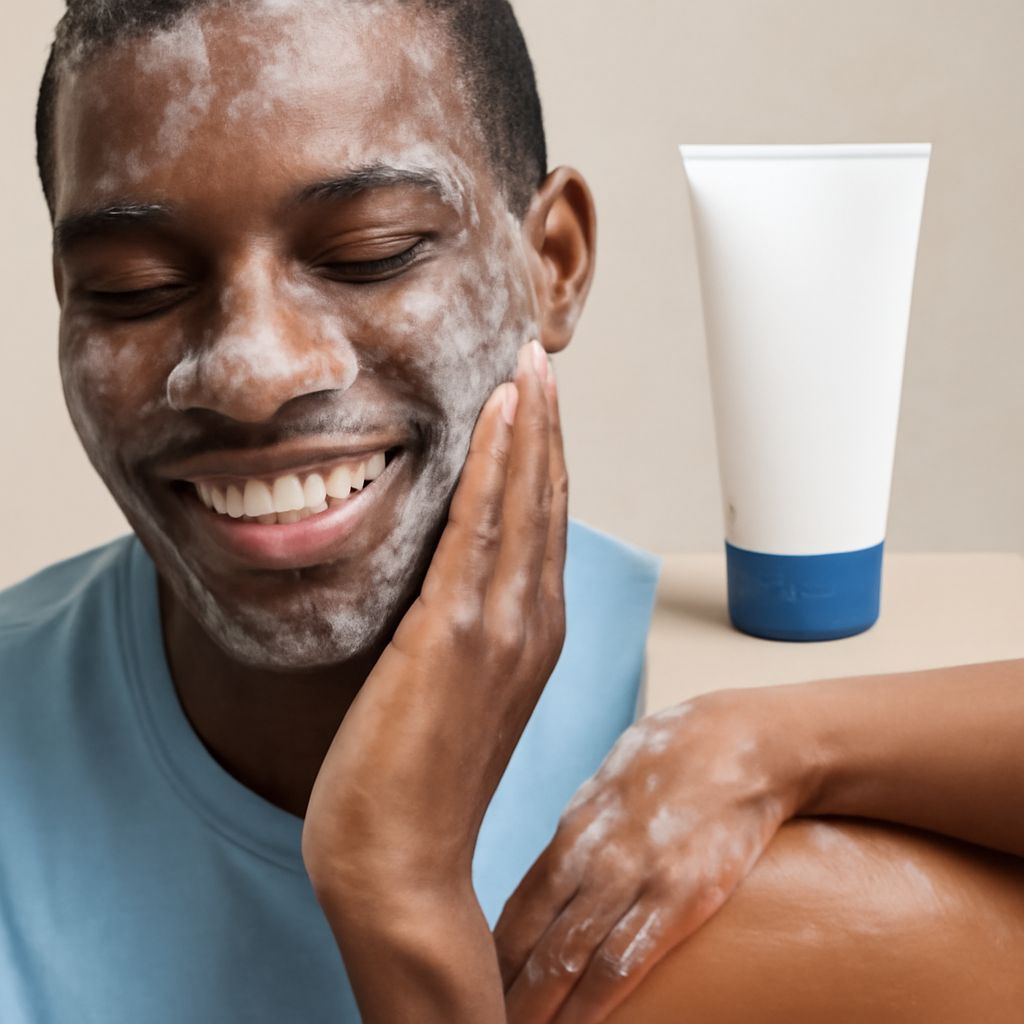
Acne is a common skin condition that affects millions of people worldwide, triggering a quest for effective solutions. Among the myriad options, benzoyl peroxide wash 5% stands out as a potent treatment for clearer skin. This article explores how benzoyl peroxide face wash 5% works, its benefits, and how it compares to homemade face scrubs for oily skin and sensitive skin.
Understanding Benzoyl Peroxide Wash 5%
Benzoyl peroxide is a powerful ingredient known for its ability to tackle acne-causing bacteria and reduce inflammation. The 5% concentration is a popular choice for those dealing with mild to moderate acne. This face wash works by penetrating the skin to kill bacteria, unclog pores, and remove dead skin cells, making it an essential part of many acne treatment regimens.
How Does Benzoyl Peroxide Face Wash 5% Work?
Benzoyl peroxide face wash 5% functions by introducing oxygen into the skin, creating an environment where acne-causing bacteria cannot survive. This process effectively reduces redness and swelling associated with acne. The added benefit of benzoyl peroxide is its exfoliating properties, which help in shedding dead skin cells and preventing pore blockages. This dual action makes it a comprehensive solution for maintaining clear and healthy skin.
Benefits of Using Benzoyl Peroxide Wash 5%
The advantages of using a benzoyl peroxide wash 5% are numerous. Firstly, it provides a targeted approach to treating acne, focusing on the root causes rather than just the symptoms. Regular use can lead to a significant reduction in breakouts. Moreover, benzoyl peroxide is suitable for various skin types, making it a versatile choice for many. It also helps in managing oily skin, reducing shine, and giving the skin a smoother appearance.
How to Use Benzoyl Peroxide Face Wash 5% Effectively
For optimal results, it is crucial to use benzoyl peroxide face wash 5% correctly. Start by cleansing your face with water to remove any surface impurities. Apply a small amount of the wash and gently massage it into the skin, avoiding the eyes and mouth. Rinse thoroughly and pat dry. Initially, use the wash once daily, gradually increasing to twice daily as your skin adjusts. It is important to follow up with a moisturizer to prevent dryness or irritation, especially for those with sensitive skin.
Safety Note: Benzoyl peroxide can cause dryness and irritation. Perform a patch test before full application, and discontinue use if severe irritation occurs.
Comparing Benzoyl Peroxide Face Wash 5% with Homemade Solutions
While benzoyl peroxide face wash is effective, many people explore homemade alternatives for acne treatment. Homemade face scrubs for oily skin and homemade acne scrubs for sensitive skin can offer natural and gentle options. However, these solutions might not be as potent or quick-acting as benzoyl peroxide. They can be a better choice for those with very sensitive skin or for individuals looking for a more natural skincare routine.
Creating a Homemade Face Scrub for Oily Skin
Homemade face scrubs for oily skin often incorporate ingredients like honey, oats, and lemon juice. Honey is a natural antibacterial agent, oats help absorb excess oil, and lemon juice acts as a natural astringent. To create a simple scrub, mix 1 tablespoon of ground oats with a teaspoon of honey and a few drops of lemon juice. Gently exfoliate the skin in circular motions, then rinse off with lukewarm water. This natural scrub helps in managing oil while soothing the skin.
Tips for Making a Homemade Face Wash for Sensitive Skin
For sensitive skin, gentle ingredients are key. A homemade face wash can include soothing elements like aloe vera and chamomile. Aloe vera provides hydration and reduces irritation, while chamomile has anti-inflammatory properties. To prepare, mix aloe vera gel with cooled chamomile tea. Apply the mixture to your face, rinse away after a few minutes, and pat dry. This homemade face wash helps calm sensitive skin and reduces the risk of irritation.
Key Takeaways: Benzoyl peroxide wash 5% is a potent acne treatment that targets the root causes of acne. While effective, it may not be suitable for everyone, making homemade alternatives a viable option for those with sensitive skin or seeking natural solutions.




Leave a Reply