
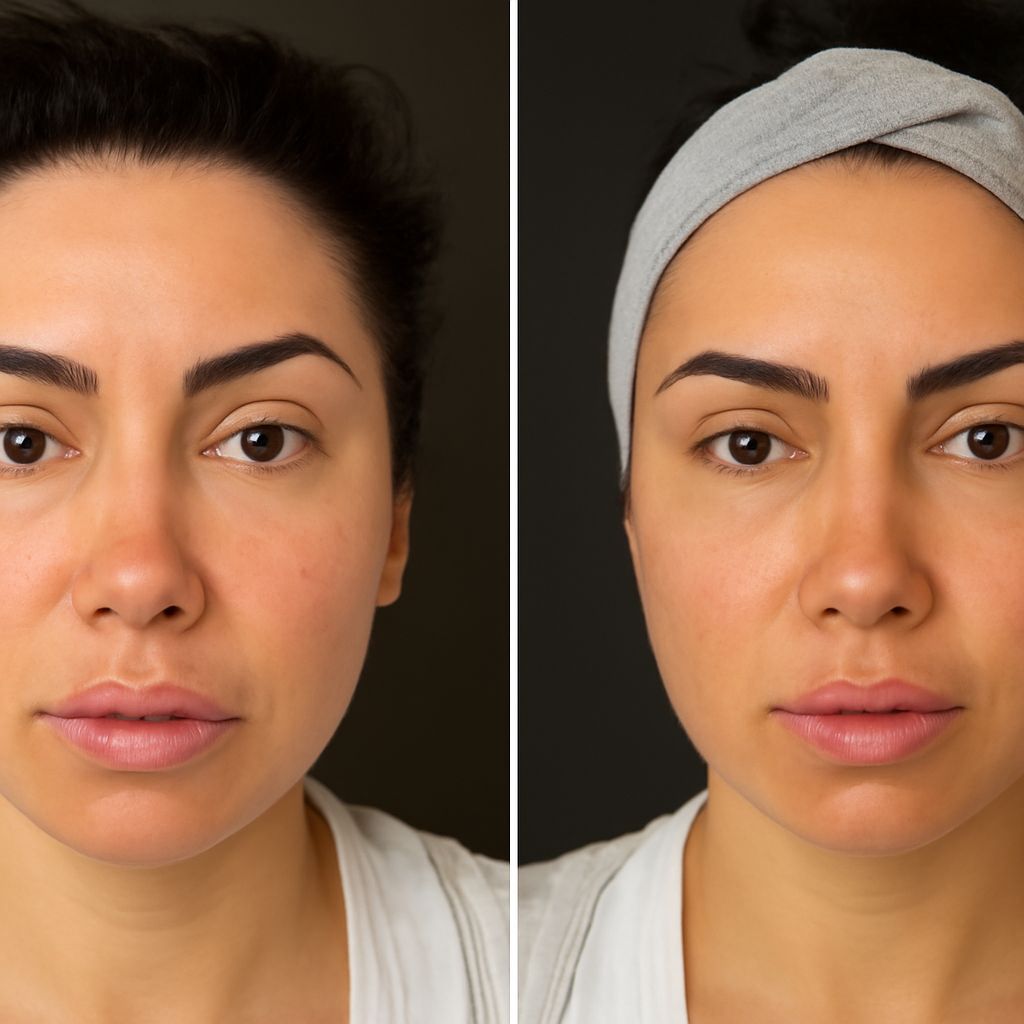
Uneven skin texture is a common concern affecting many individuals, manifesting as rough patches, enlarged pores, and fine lines. These irregularities can impact not only the appearance but also the confidence of those experiencing them. Fortunately, a range of effective solutions exists to smooth skin texture on the face, offering hope to those seeking a clearer and healthier complexion. By understanding the causes of uneven skin texture, individuals can embark on a journey to improve their skin health and address any holes or imperfections that may have developed over time.
In this comprehensive guide, we will explore what causes uneven skin texture, discuss methods to smooth the texture of your skin, and delve into treatments that enhance your skin’s appearance. We will also address how to effectively deal with holes in the skin and preventive measures to maintain an even texture. Finally, we’ll discuss when it might be necessary to consult a dermatologist for professional advice.
What Causes Uneven Skin Texture?
Uneven skin texture can result from a variety of factors. One primary cause is the accumulation of dead skin cells that are not effectively shed, leading to rough patches and a dull appearance. Additionally, enlarged pores and fine lines contribute to textural irregularities. These can be exacerbated by factors such as sun damage, acne scarring, and aging. Lifestyle choices, including poor diet and smoking, can further impair skin health and contribute to an uneven texture.
A lack of proper hydration and moisturizing can also lead to a rough skin surface, as dry skin is more prone to developing scales and unevenness. Understanding these causes is the first step in creating a plan to achieve smoother skin.
How Can You Smooth Skin Texture on Your Face?
Smoothing skin texture involves a combination of good skincare practices and targeted treatments. Regular exfoliation is crucial for removing dead skin cells and promoting cell turnover. Options include chemical exfoliants such as alpha hydroxy acids (AHAs) and beta hydroxy acids (BHAs), which can dissolve dead skin cells gently and effectively.
Incorporating a moisturizing routine is essential to maintain hydration and keep the skin’s surface smooth. Look for products containing hyaluronic acid or glycerin, which help to attract moisture into the skin. Additionally, using serums that contain retinol can stimulate collagen production, reducing the appearance of fine lines and improving texture.
What Treatments Improve Skin Texture?
Several treatments are available to improve skin texture significantly. Professional chemical peels can be highly effective in promoting smoother skin, as they exfoliate the surface and encourage new, healthy skin cell production. Laser treatments offer another option by targeting deeper layers of the skin to stimulate collagen production and address textural issues.
Microneedling is a minimally invasive procedure that can help improve texture by creating tiny injuries in the skin, prompting a healing response that boosts collagen and elastin. Additionally, using topical treatments with ingredients like vitamin C can enhance skin brightness and evenness.
How to Address Holes in Your Skin?
Holes in the skin, often referred to as enlarged pores or acne scars, require specific strategies for improvement. Applying retinoids can help reduce the appearance of these holes by increasing cell turnover and promoting collagen production. Laser resurfacing treatments are also effective in minimizing deep scarring and enlarged pores.
For more severe cases, consulting with a skincare professional about options like fillers or subcision may be beneficial. These treatments can help fill in or remodel scar tissue, leading to a more even skin surface.
Preventing Uneven Skin Texture
Prevention is key in maintaining a smooth skin texture. Protecting the skin from sun damage with a broad-spectrum sunscreen can prevent the breakdown of collagen and elastin, which contributes to textural changes. A balanced diet rich in antioxidants and omega fatty acids supports skin health from the inside out.
Maintaining a regular skincare routine that includes gentle cleansing, appropriate exfoliation, and consistent moisturizing can help keep the skin even and healthy. Avoiding smoking and excessive alcohol consumption also plays a critical role in skin texture maintenance.
When to Consult a Dermatologist?
While home skincare efforts can be effective, certain situations warrant professional advice. If you experience persistent uneven texture despite following a consistent routine, or if holes in your skin are pronounced and affect your confidence, it may be time to consult a dermatologist.
A dermatologist can offer tailored treatments and advice, addressing underlying concerns that may not be manageable through over-the-counter products alone. Professional evaluations ensure that any treatments undertaken are safe and appropriate for your skin type.
Pro Tips Recap: For smooth skin texture, focus on regular exfoliation, consistent moisturizing, and targeted treatments like retinoids. Protect your skin with sunscreen and nourish it with a healthy diet. Consult a dermatologist if home methods do not suffice or if skin concerns impact your well-being.





Leave a Reply