
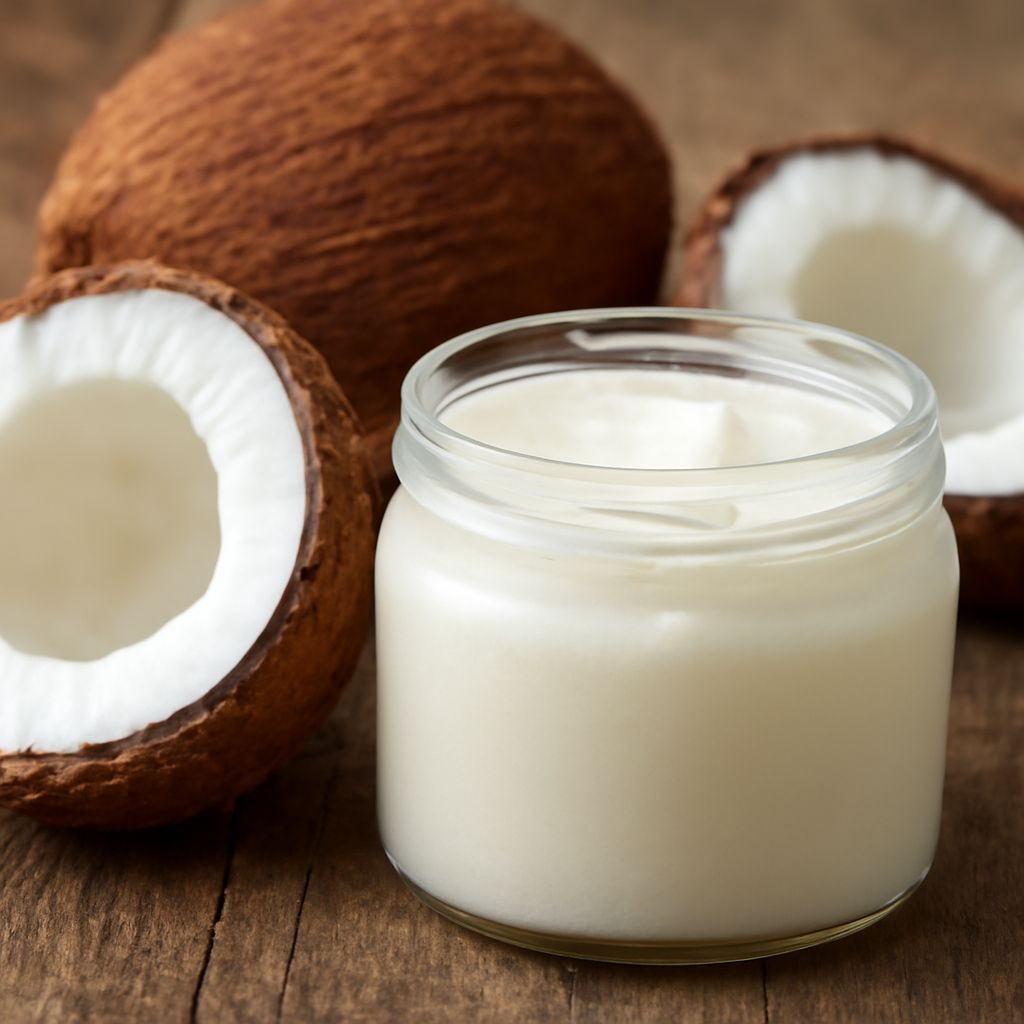
Is coconut oil good for skin? The answer is nuanced: it works well for some people and some skin types, and poorly for others. Coconut oil good for skin means it provides hydration, has antimicrobial properties, and works as an effective makeup remover or body moisturizer for dry skin. However, is coconut oil good for the skin of people prone to clogged pores and breakouts? Largely no, and this distinction matters for anyone considering adding it to their routine.
Is coconut oil bad for your skin depends on your skin type and how you use it. On the face, particularly for acne-prone or oily skin types, coconut oil’s comedogenic rating makes it a risky choice. Is coconut oil good for oily skin is a question most dermatologists answer with caution. On the body, it performs much better and is generally well-tolerated even by sensitive skin types.
What Makes Coconut Oil Effective as a Moisturizer
Coconut oil is primarily composed of saturated fatty acids, with lauric acid making up roughly 50% of its content. These fatty acids create an occlusive barrier on the skin surface that reduces transepidermal water loss, the process by which skin loses moisture to the environment. This makes it an effective emollient for dry skin conditions, particularly on the body. It absorbs reasonably well and leaves a soft, non-greasy feel compared to heavier oils like castor or mineral oil.
Antimicrobial Properties
Lauric acid has demonstrated antimicrobial and antifungal activity in laboratory studies. This is why coconut oil has been studied for conditions like eczema and fungal skin infections. It may reduce surface bacteria on the skin. However, its high comedogenicity often outweighs this benefit when used on facial skin prone to congestion.
Is Coconut Oil Good for Oily Skin?
Coconut oil is rated 4 out of 5 on the comedogenic scale, meaning it has a high likelihood of blocking pores in people whose skin is prone to congestion. On oily skin, which already produces excess sebum, applying a heavy occlusive oil on the face increases the risk of clogged pores, blackheads, and breakouts. Most dermatologists recommend avoiding coconut oil as a facial moisturizer for oily, acne-prone, or combination skin types. Non-comedogenic alternatives like squalane, niacinamide serums, or gel moisturizers achieve hydration without the clogging risk.
Where Coconut Oil Does Perform Well on Skin
On dry body skin, particularly rough areas like elbows, knees, heels, and shins, coconut oil works well. It helps manage conditions like keratosis pilaris when used consistently on affected body areas. It is an effective makeup remover when massaged over the face and rinsed off completely, as it dissolves oil-based makeup efficiently. Dry, non-acne-prone facial skin types tolerate it better than oily types. Some people with very dry eczema-prone skin find it helpful as a body treatment.
Hair and Cuticle Use
Coconut oil is among the few oils that can penetrate the hair shaft rather than just coating it. It reduces protein loss during washing and adds softness to dry or coarse hair. Applied to dry cuticles and nails, it conditions well. These uses avoid the comedogenic concerns associated with facial application.
Is Coconut Oil Bad for Your Skin in Specific Cases?
For people with acne-prone or oily skin, using coconut oil directly on the face as a leave-on moisturizer is likely to cause clogged pores and breakouts. Leaving it on without rinsing is riskier than a brief application followed by thorough removal. People with a known allergy to coconut should obviously avoid it. Some people with very sensitive skin react to coconut oil with redness or irritation, though this is less common than the comedogenic concern.
How to Use Coconut Oil Wisely on Skin
Use it on the body where comedogenicity is less of a concern. Use it as a rinse-off makeup remover rather than a leave-on facial product. Apply it to very dry areas of the face sparingly if you have non-acne-prone skin and patch test first. Keep it away from acne-prone zones like the T-zone entirely. Unrefined virgin coconut oil is preferred over refined versions for skin applications because it retains more of the naturally occurring antioxidants and fatty acids.
Safety note: If you develop new breakouts or clogged pores after starting coconut oil use on your face, discontinue immediately. The effects of comedogenic ingredients can take two to four weeks to appear as visible breakouts, so a single application without reaction does not confirm it is safe for ongoing use.





Leave a Reply