
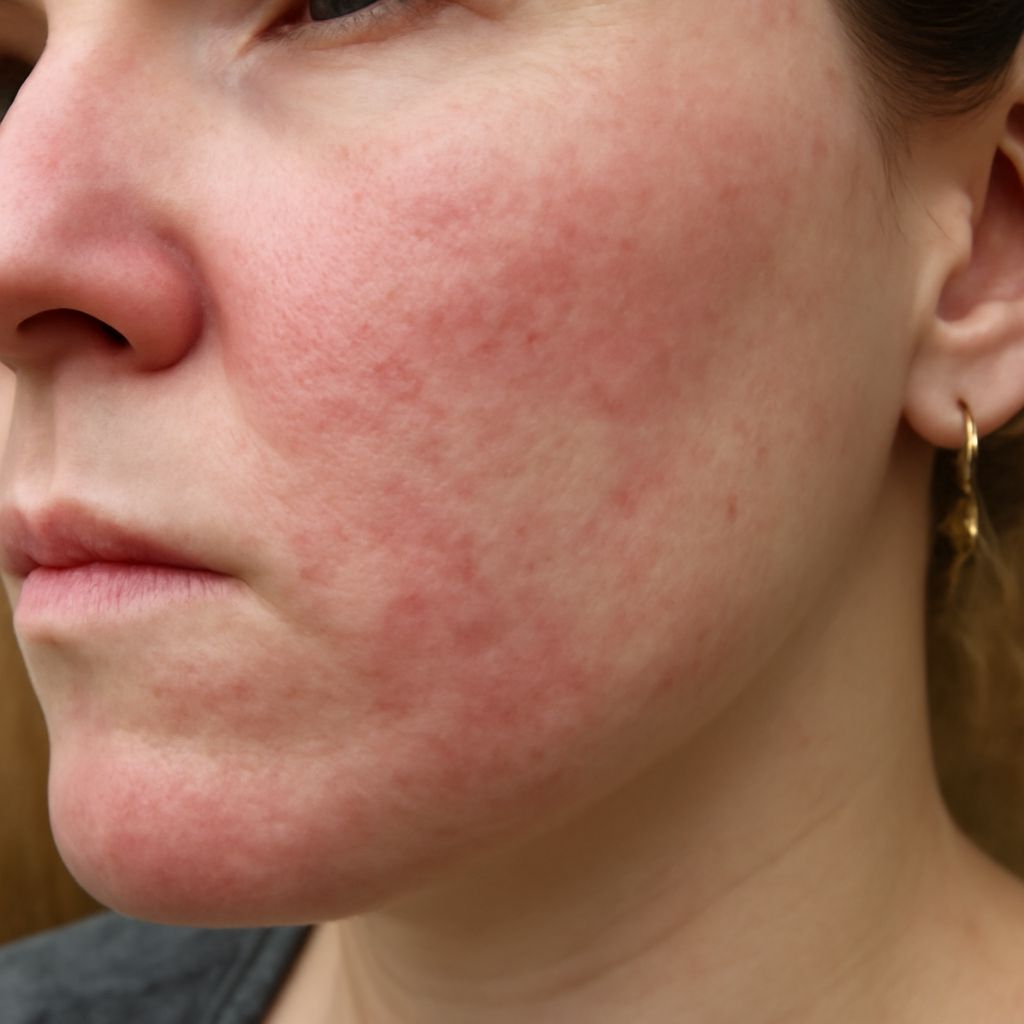
Many individuals suffer from compulsive skin picking, especially when dealing with acne. Often, this behavior can lead to irritation, infection, or even scarring, which only exacerbates the problem. Fortunately, techniques such as a skin picking disorder test and targeted strategies like the iodine skin test can offer both diagnosis and relief. These methods, alongside understanding tests like the candida skin test, provide a comprehensive approach to managing and improving skin health.
By exploring effective strategies on how to stop picking at acne and examining conditions like rippling skin disorder, individuals can adopt a healthier skin care routine. This article will delve into these tests and techniques, offering practical insights for achieving healthier skin.
What is a Skin Picking Disorder Test?
Skin picking disorder, clinically referred to as excoriation disorder, involves repetitive picking at one’s own skin, often leading to damage and emotional distress. To diagnose this condition, a skin picking disorder test can be utilized. This test usually includes a psychological assessment to understand the extent and impact of the behavior. A formal diagnosis may help individuals seek targeted therapies that address underlying impulses and stressors contributing to the disorder.
The test aims to identify the psychological and behavioral triggers of the picking habit, enabling healthcare professionals to tailor interventions. These interventions can include cognitive-behavioral therapy, which focuses on altering the negative thought patterns associated with the disorder.
How Does the Iodine Skin Test Work?
The iodine skin test is a straightforward method used to evaluate iodine levels in the body, which are essential for thyroid function and overall health. This test involves applying iodine to the skin and monitoring the rate at which it is absorbed. The quicker the iodine disappears, the more likely it is that a deficiency is present.
While not directly related to skin picking, the iodine skin test can indirectly impact skin health. Proper iodine levels are crucial for maintaining healthy skin, as iodine contributes to the regulation of hormones that affect skin condition. Understanding your iodine levels through this simple test can guide dietary and lifestyle adjustments to support better skin health.
How to Stop Picking at Acne: Effective Strategies
Stopping the habit of picking at acne can be challenging, yet it is essential for preventing further skin damage. One effective strategy is keeping the hands busy with alternative activities, such as using a stress ball or engaging in hobbies that require manual dexterity. Additionally, maintaining a clean and soothing skincare routine can reduce the urge to pick.
Applying treatments directly to acne-prone areas, such as salicylic acid or benzoyl peroxide, can help soothe irritations and reduce blemishes, thereby minimizing the temptation to pick. Covering acne with a breathable bandage or using hydrocolloid patches can also serve as a physical reminder to avoid touching the skin.
If the impulse to pick becomes overwhelming, cognitive-behavioral techniques can be beneficial. These approaches focus on recognizing and modifying the thoughts and behaviors that lead to picking, offering long-term relief and healthier skin.
What Can a Candida Skin Test Reveal?
The candida skin test is designed to detect yeast overgrowth in the body, which can manifest as various skin-related issues. Candida, a type of fungus, can cause infections and contribute to skin conditions such as rashes, itchiness, and in some cases, contribute to rippling skin disorder.
Administering a candida skin test involves checking for skin reactions to specific antigens derived from the yeast. Positive results could indicate an overgrowth, pointing to the need for dietary changes or antifungal treatments. Managing candida levels can play a crucial role in alleviating skin issues and promoting overall skin health.
Understanding Rippling Skin Disorder
Rippling skin disorder is a rare condition characterized by wave-like movements or changes in the skin’s appearance. These ripples can result from muscle contractions beneath the skin surface and may be associated with underlying neurological or muscular conditions.
Although rippling skin disorder is not directly linked to acne or skin picking, understanding this condition can help differentiate it from other skin issues. If you notice persistent, unusual changes in your skin’s texture, consulting a dermatologist or healthcare professional is crucial for accurate diagnosis and treatment guidance.
Practical Tips for Healthier Skin
Achieving healthier skin involves consistent and mindful skincare practices. Start by cleansing your skin gently twice daily to remove impurities and reduce the risk of acne formation. Using a moisturizer suitable for your skin type helps maintain hydration and barrier function.
Incorporate sun protection into your daily routine, as UV exposure can exacerbate skin problems and lead to premature aging. Choosing non-comedogenic skincare products can also prevent clogged pores and reduce acne breakouts.
Furthermore, maintaining a balanced diet rich in antioxidants and vitamins supports skin health from the inside out. Foods like leafy greens, berries, and nuts provide nutrients essential for repairing and maintaining the skin.
Key takeaways: Understanding and managing skin conditions often involves a combination of diagnostic tests and behavioral strategies. From the skin picking disorder test to the iodine and candida skin tests, these tools can offer insights into underlying issues. Alongside practical skincare routines, these approaches foster healthier and more resilient skin.
Safety note: Always consult with a healthcare professional before beginning any new treatment or test, especially if you have sensitive skin or underlying health conditions.




Leave a Reply