
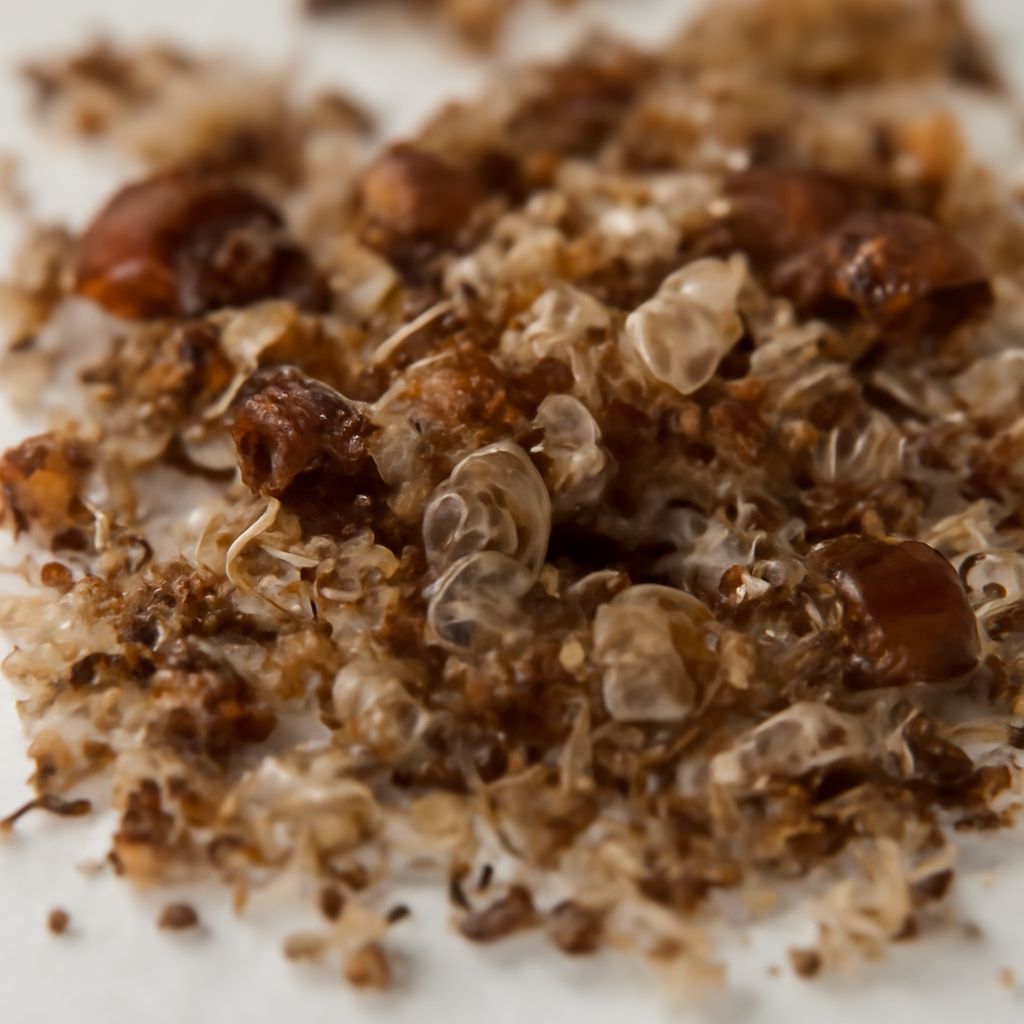
Discovering bed bug shed skin in your home can be alarming, but understanding what it signifies can help you tackle the problem effectively. Bed bugs, those unwelcome nocturnal visitors, leave behind bed bug molted skin as they grow. Spotting these signs early can be crucial in preventing a full-blown infestation. By learning to identify bed bug cast skin, you can take appropriate measures to address and prevent these pests from taking over your living space.
What is Animal Skin and How Does it Relate to Bed Bugs?
Animal skin, in a broader sense, refers to the outer covering of animals which serves as protection and plays a vital role in their survival. In the context of bed bugs, however, the term takes a different aspect. Bed bugs, unlike warm-blooded animals, have an exoskeleton made of a tough, protective layer. As bed bugs develop, they shed their skin, much like how a snake sheds its skin during growth. This shedding is a natural process that provides a visible trace of their presence in your home.
What is Bed Bug Shed Skin?
Bed bug shed skin, often referred to as bed bug cast skin or molted skin, is the outer casing left behind when a bed bug progresses through its life stages. This skin is translucent, pale, and sometimes mistaken for live bugs, but it is merely the hollow exoskeleton. Each bed bug sheds its skin five times before reaching maturity, making these remnants a common find in an infested area. They do not pose a direct health risk but are a clear indication of an active infestation.
How to Identify Bed Bug Molted Skin?
Identifying bed bug molted skin requires keen observation. These skins are usually light brown or yellowish, and their size depends on the stage of the bed bug. Typically, you can find them near mattress seams, bed frames, or in crevices where bed bugs tend to hide. To differentiate them from debris, note their distinct shape resembling a tiny bug and their papery texture. Using a flashlight and magnifying glass can help in detecting these skins more efficiently.
Why Do Bed Bugs Shed Their Skin?
The shedding of bed bug skin is part of their growth process, known as molting. Bed bugs go through several nymph stages, and each stage requires them to shed their exoskeleton to allow for growth. This molting process is necessary for their development and survival. Understanding this cycle can offer insights into how recent or severe an infestation might be, as the presence of multiple skins suggests an active reproductive population.
What to Do if You Find Bed Bug Cast Skin?
Discovering bed bug cast skin should prompt immediate action to prevent a more significant issue. Here are steps you can take:
- Confirm the Infestation: Look for other signs of bed bugs, such as live bugs, fecal spots, or bites on your skin.
- Contact a Professional: While DIY methods exist, professional pest control services are best equipped to handle severe infestations.
- Clean and Vacuum: Thoroughly clean the affected areas, paying attention to mattress seams and crevices.
- Use Protective Covers: Encase mattresses and pillows with covers designed to prevent bed bug penetration.
Taking these steps swiftly can prevent bed bugs from spreading further within your home.
Preventive Measures Against Bed Bug Infestations
Preventing bed bug infestations requires a proactive approach. Here are some measures to keep your home bed bug-free:
- Regular Inspections: Regularly check your sleeping areas for signs of bed bugs, especially after traveling.
- Reduce Clutter: Declutter your home to minimize hiding spots for bed bugs.
- Seal Entry Points: Use caulk to seal cracks and crevices in walls and furniture.
- Launder Fabrics: Wash and dry linens and clothing at high temperatures to kill any potential bed bugs.
These preventive practices can significantly reduce the risk of bed bug infestations and maintain a healthy living environment.
Pro Tips Recap: Identify bed bug shed skin early to prevent infestations, employ regular inspections, and seek professional help if needed. Remember, while bed bug skins themselves are not dangerous, they signal a need for urgent action. Always prioritize a safe approach, especially when handling potential infestations to avoid skin irritation or allergies from bites or allergic reactions to the pests or cleaning chemicals.




Leave a Reply