
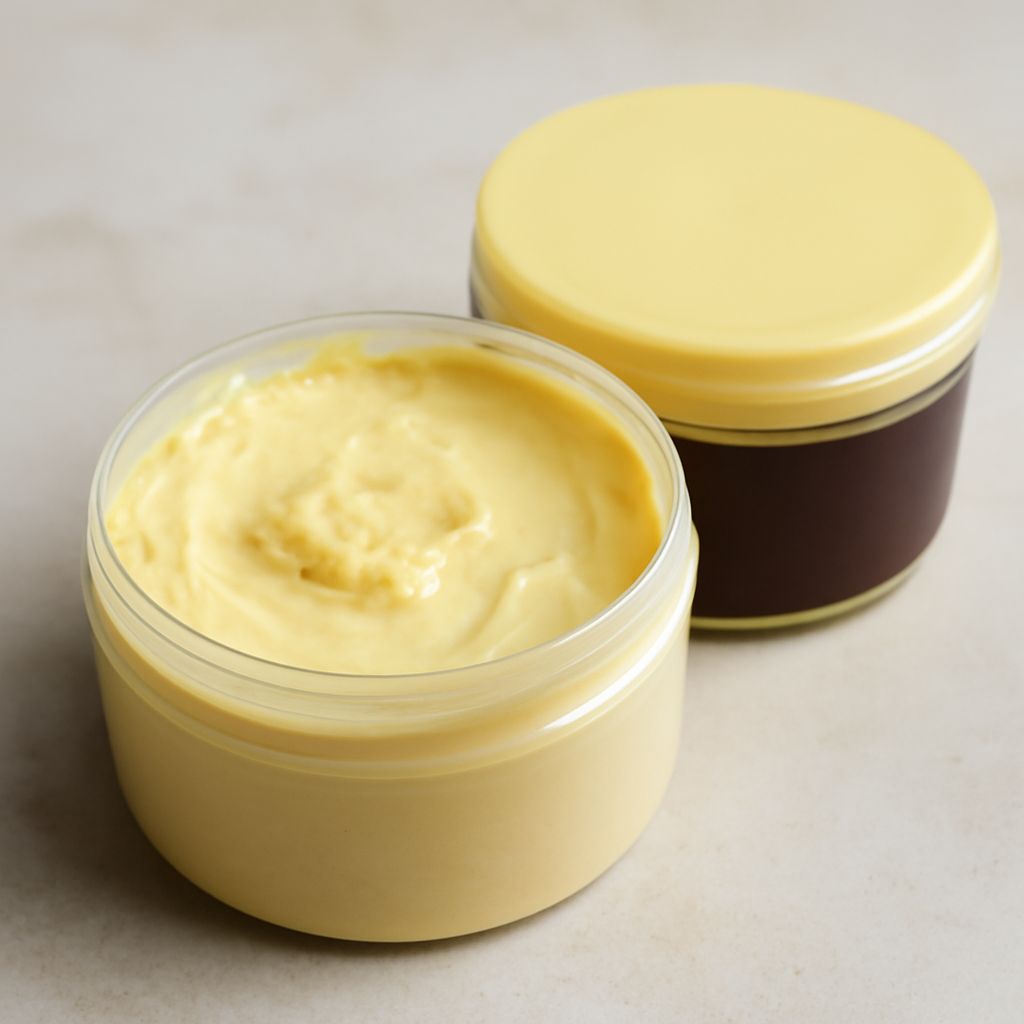
Pomade acne can be a frustrating issue for those who regularly use hair styling products. This type of acne is caused by pomade, a greasy or waxy substance used to style hair, which can lead to clogged pores and breakouts along the hairline, forehead, and scalp. Fortunately, there are solutions available to help mitigate these issues. With the right acne tools and a strategic approach to skincare, pomade acne can be effectively managed and even prevented.
For those dealing with pomade acne, it is also essential to consider other factors that may contribute to skin issues. Sweat, for instance, can exacerbate acne, as can certain habits and skin sensitivities. Understanding the different types of acne, such as acne excoriee, and exploring natural remedies like kefir can offer comprehensive solutions. In this article, we will delve into these topics and provide actionable tips for maintaining clear skin.
What is Pomade Acne?
Pomade acne is a form of acne that occurs due to the frequent use of oily hair styling products. These products can transfer from the hair to the skin, resulting in clogged pores and acne breakouts, particularly around the scalp and forehead. Unlike regular acne, which may be caused by hormones or bacteria, pomade acne results from external products applied to the skin. The key to addressing this type of acne is understanding its unique characteristics and origins.
How Do Acne Tools Help?
Acne tools are specialized instruments designed to assist in the treatment and prevention of acne. They include items like comedone extractors, exfoliating brushes, and LED light therapy devices. When used correctly, these tools can help reduce the appearance of acne by unclogging pores, reducing inflammation, and killing bacteria on the skin’s surface. However, it’s crucial to use these tools with care to avoid skin irritation or damage.
For pomade acne, acne tools can be particularly useful in removing excess oil and preventing buildup. Regular exfoliation with appropriate tools can help clear away product residue and dead skin cells, minimizing the risk of clogged pores. Always ensure that tools are sanitized properly to avoid introducing bacteria to the skin.
Can Sweat Cause Acne?
Yes, sweat can contribute to acne breakouts, especially if it is not managed appropriately. When sweat mixes with makeup, dirt, or other substances on the skin, it can lead to blocked pores and inflammation. This is particularly problematic for individuals who engage in physical activities that cause excessive sweating.
To mitigate the effects of sweat on the skin, it’s recommended to cleanse the face gently after sweating. Using a gentle cleanser can help remove impurities without stripping the skin of its natural oils. It’s also advisable to wear breathable, moisture-wicking fabrics during exercise to reduce sweat accumulation.
Understanding Acne Excoriee
Acne excoriee is a condition where individuals pick or scratch at their acne lesions, often leading to scarring and increased inflammation. This behavior can exacerbate existing acne and result in more prolonged healing times. It’s essential to address the psychological aspect of acne excoriee, as it often stems from stress or compulsive tendencies.
Managing acne excoriee involves both psychological and dermatological approaches. Introducing stress-reduction techniques and being mindful of the triggers that lead to picking can be beneficial. Dermatological treatments may include topical retinoids or other medications prescribed by a healthcare provider to improve skin appearance and health.
The Role of Kefir in Acne Treatment
Kefir, a fermented milk beverage rich in probiotics, has been gaining attention for its potential benefits in treating acne. Probiotics can help balance the skin’s microbiome, reducing inflammation and the presence of acne-causing bacteria.
Incorporating kefir into your diet may support internal gut health, which is often linked to skin conditions. Applying kefir topically as a mask can also soothe and hydrate the skin, providing an additional layer of protection against acne. Always patch test new products on a small skin area to ensure no adverse reactions occur.
Tips for Preventing Pomade Acne Breakouts
Preventing pomade acne requires a combination of careful product selection and diligent skincare practices. Here are a few tips to consider:
- Choose non-comedogenic products: Opt for hair styling products labeled as non-comedogenic, which are less likely to clog pores.
- Avoid applying products near the hairline: This reduces the chance of product transfer to the skin.
- Maintain a regular skincare routine: Cleanse your face twice daily with a gentle cleanser to remove product residue and impurities.
- Exfoliate regularly: Use a mild exfoliant to keep pores clear and prevent buildup of dead skin cells.
- Consult a dermatologist: For persistent cases, seek professional advice to tailor a skincare regimen specific to your needs.
Key takeaways: Pomade acne can be managed with the right approach, including using acne tools and considering lifestyle factors like sweat and diet. Understanding different types of acne, such as acne excoriee, can aid in comprehensive treatment. Incorporating natural remedies like kefir into your routine may offer additional benefits. Remember to prioritize skin care and consult professionals when necessary to maintain healthy, clear skin.



Leave a Reply