
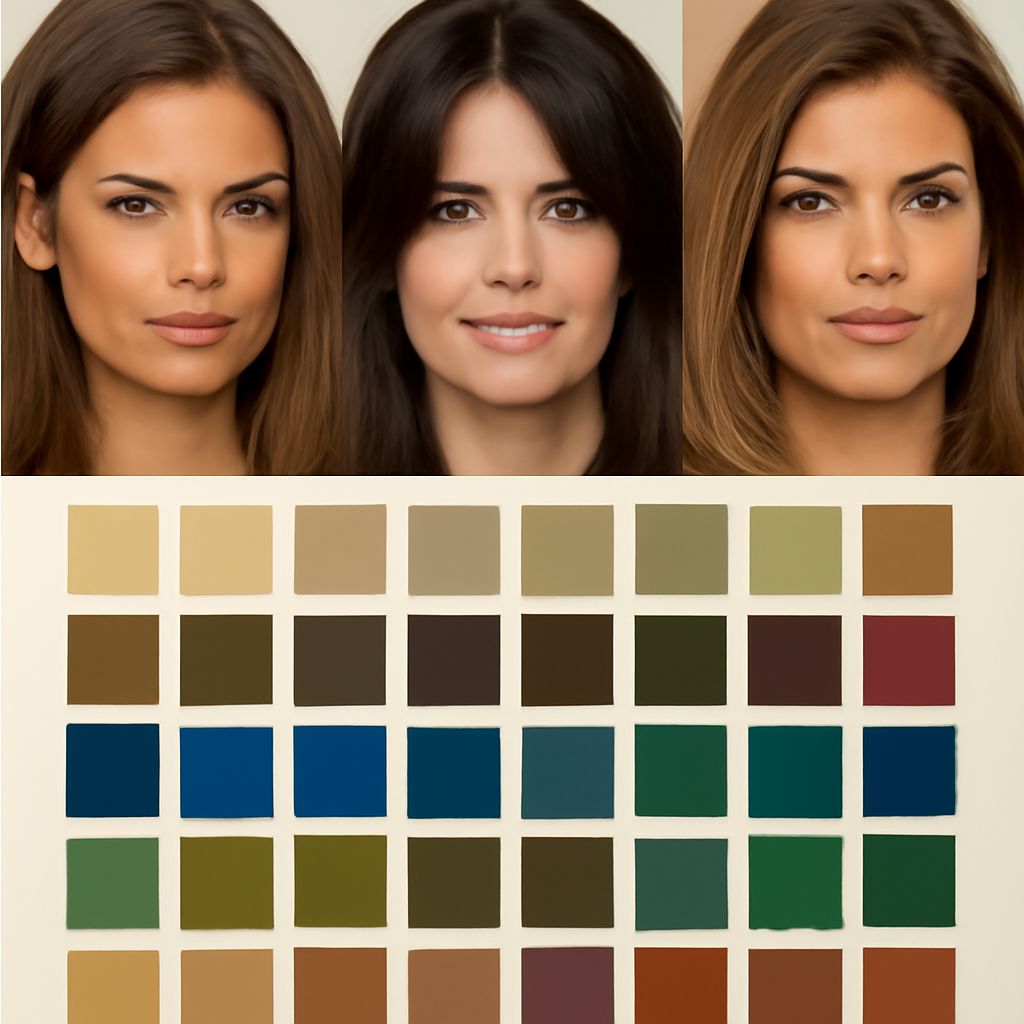
Choosing the right clothing colors can be a daunting task, especially for those with brown or pale skin tones. While a color might look stunning on one person, it might not have the same impact on another. This is why understanding which colors look good on brown skin and pale skin can make a world of difference in enhancing one’s wardrobe. By selecting the best clothing colors for pale skin and exploring the vibrant palette that suits brown skin, you can elevate your style effortlessly.
In this article, we’ll delve into why colors matter for different skin tones and provide a guide on selecting the best clothing colors for both dark and pale complexions. Whether you’re looking to refresh your closet or simply want to look your best, understanding these color dynamics will help you make informed fashion choices.
Why Do Colors Matter for Different Skin Tones?
Colors play a crucial role in fashion and personal style because they interact with our skin’s natural tones to create either a harmonious or discordant look. For brown skin, vibrant and rich colors often complement the natural warmth, enhancing its depth and glow. In contrast, colors for pale skin should be chosen carefully to avoid washing out the complexion and to provide a subtle contrast.
Understanding how to select colors that complement your skin tone can greatly enhance your appearance and boost your confidence. Clothing that harmonizes with your skin will not only make you look more radiant but will also ensure that your personal style is presented at its very best.
What Are the Best Clothing Colors for Brown Skin?
When it comes to brown skin, you have a broader spectrum to choose from. Earthy tones such as burnt orange, olive green, and chocolate brown can harmonize beautifully with the warmth of darker skin. These colors enhance the skin’s natural radiance and provide a chic, sophisticated look.
Additionally, jewel tones like emerald, sapphire, and ruby are excellent choices. These vibrant hues can make your features pop and provide a striking contrast against your complexion. It’s important to experiment with different shades to find which ones make you feel most confident.
How to Select Clothing Colors for Dark Skin?
For those with darker skin, understanding the subtle variations in your skin tone can help you choose the most flattering clothing colors. Cooler shades like navy, charcoal, and deep purples can offer a refined elegance. Meanwhile, lighter pastels such as lavender and sky blue provide a soft contrast that highlights your skin’s richness.
It’s also worthwhile to consider the occasion and season. While brighter colors can be captivating for summer events, deeper shades may be more appropriate for formal or evening occasions. The key is to balance your wardrobe with a mix of classic and adventurous colors.
Which Colors Are Ideal for Pale Skin?
Finding the right colors for pale skin can sometimes be a challenge. To avoid looking washed out, choose colors that bring a soft contrast to your skin tone. Pastels like powder pink, mint green, and baby blue are flattering as they provide a gentle warmth without overwhelming your complexion.
Moreover, rich tones like burgundy, forest green, and mustard yellow can act as a striking contrast, adding vibrancy and depth to your look. Experimenting with these colors can help you identify which shades enhance your natural beauty the most.
Tips for Mixing and Matching Colors for Your Skin Tone
Once you’ve identified the colors that suit your skin tone, mixing and matching them can create a versatile and stylish wardrobe. Start by selecting a few key pieces in your most flattering hues and build outfits around them using complementary or neutral colors.
Experiment with different color combinations to discover unique pairings that work well together. Don’t shy away from patterns and textures, as these can add an interesting dimension to your outfits. The goal is to create a cohesive look that reflects your personal style and enhances your natural complexion.
Common Mistakes to Avoid When Choosing Colors
Avoiding certain pitfalls when selecting clothing colors can prevent fashion mishaps. One common mistake is wearing colors that closely match your skin tone, leading to a monochromatic look that lacks contrast. Instead, aim for complementary shades that provide a visual balance.
Another error is not considering the context or occasion. While a bright, bold color might be perfect for a casual outing, it may not suit a formal event. Additionally, pay attention to seasonal trends and how they align with your personal color palette for a fresh and current style.
Bottom line: Understanding the best clothing colors for your skin tone is a crucial part of curating a wardrobe that not only suits your personal style but enhances your natural beauty. By selecting colors that harmonize with your complexion, you can create a striking and confident appearance. Remember to consider safety when experimenting with sharp accessories or products that might irritate sensitive skin, and always prioritize comfort and personal expression in your fashion choices.





Leave a Reply