
Acne can be a frustrating skin condition, especially when it’s triggered by stress. With various factors like zinc, vitamin E, and stress influencing its occurrence, understanding what stress acne looks like and how to manage it is crucial for maintaining skin health. Identifying stress-induced acne and knowing the solutions can help alleviate the issue effectively. This article will delve into the intricacies of stress acne, the role of zinc and vitamin E in skin health, and other related aspects to empower you with the knowledge needed to combat these skin challenges.
How to Identify Stress Acne
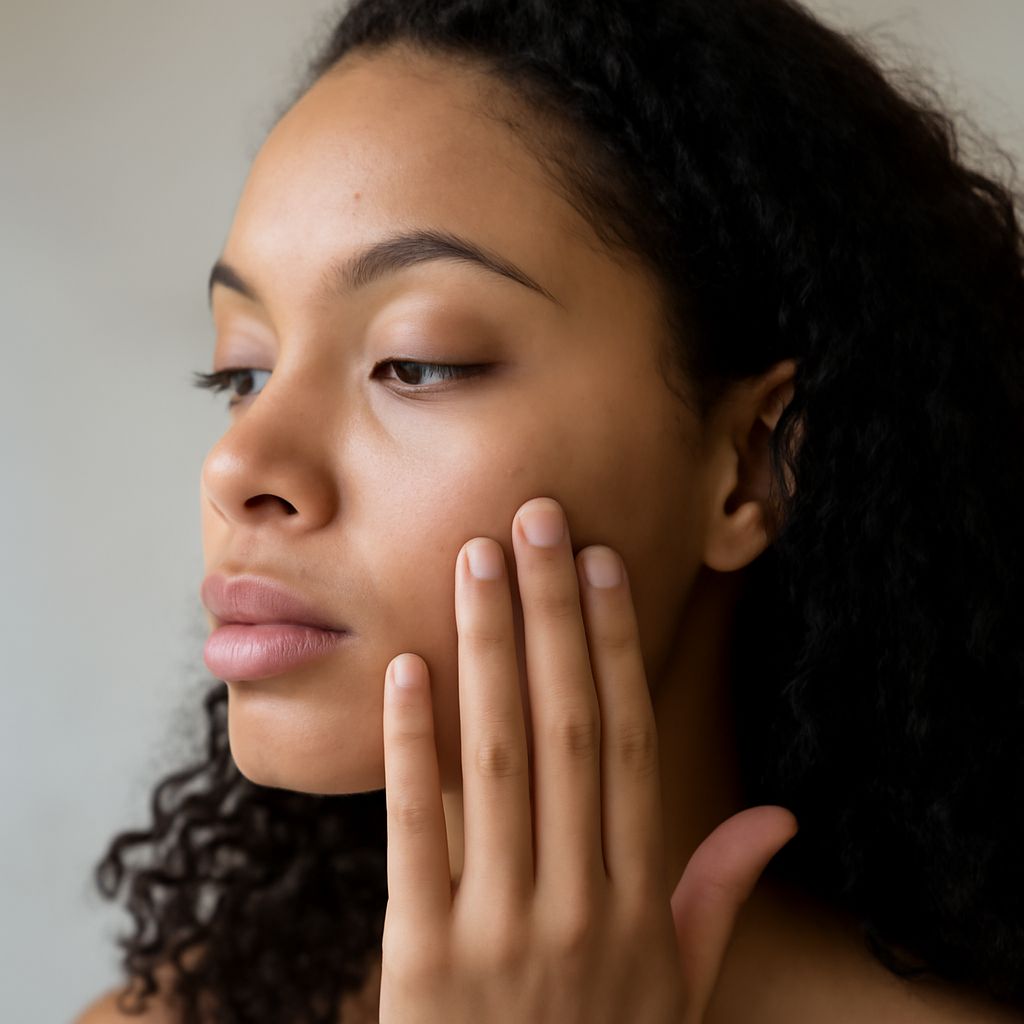
Stress acne often appears in specific areas such as the forehead, cheeks, and jawline. It tends to manifest as red bumps or pustules that can be painful and inflamed. Unlike hormonal acne, which is more cyclical, stress acne can occur at any time, especially during periods of heightened stress. Recognizing these distinct traits is vital for addressing the issue correctly. If you notice sudden breakouts coinciding with stressful events, it’s likely stress acne.
The Role of Zinc in Skin Health
Zinc is a critical mineral that supports various bodily functions, including the maintenance of healthy skin. It helps regulate oil production, which can reduce the severity of acne. Zinc’s anti-inflammatory properties also soothe irritated skin and promote healing. People often look for zinc in topical treatments or supplements to support their skin’s health. Regular intake of zinc can aid in the prevention of acne flare-ups and improve overall skin condition.
Does Vitamin E Help Acne?
Vitamin E is known for its antioxidant properties, which can benefit the skin in multiple ways. It protects skin cells from oxidative damage and supports the skin’s healing process. While vitamin E itself doesn’t directly clear acne, it can improve skin texture and reduce scarring associated with previous breakouts. Some individuals find that vitamin E supplements or topical applications aid in managing acne symptoms and enhancing skin health. However, it’s essential to consult a dermatologist before starting any new treatment.
What Temperature Does Skin Melt?
While skin melting might sound alarming, it’s a term used to describe the breakdown of skin cells due to extreme heat exposure. Fortunately, human skin is resilient to typical environmental temperatures. Skin damage from heat usually occurs at temperatures above 44°C (111°F), causing proteins within the skin to denature. This isn’t a concern under normal circumstances, but it’s important to use caution around heat sources and wear protective clothing if necessary.
Understanding Stress Skin Panels
Stress skin panels are diagnostic tools used to assess how skin responds to different stressors, including physical and environmental pressures. These panels help identify potential triggers that exacerbate skin issues and guide tailored interventions. Understanding the results from such panels can lead to personalized strategies for managing stress-induced skin conditions, including acne. If stress panels are suggested by a skincare professional, they can provide valuable insights into optimizing skin care routines.
Managing Acne Related to Stress
Managing stress-induced acne involves a holistic approach, combining lifestyle changes with targeted skincare. Regular relaxation techniques, such as yoga or meditation, can reduce stress levels, consequently minimizing acne outbreaks. Additionally, maintaining a balanced diet rich in zinc and antioxidants can bolster skin health. Always opt for non-comedogenic skincare products that don’t clog pores and aggravate acne. Consulting with a dermatologist can also provide personalized recommendations based on individual skin needs.
Bottom line: Understanding stress acne and its triggers is essential for effective management. Zinc and vitamin E play significant roles in supporting skin health, but lifestyle changes are equally important. Being aware of your skin’s reaction to stress can guide better skincare practices and choices.



Leave a Reply