
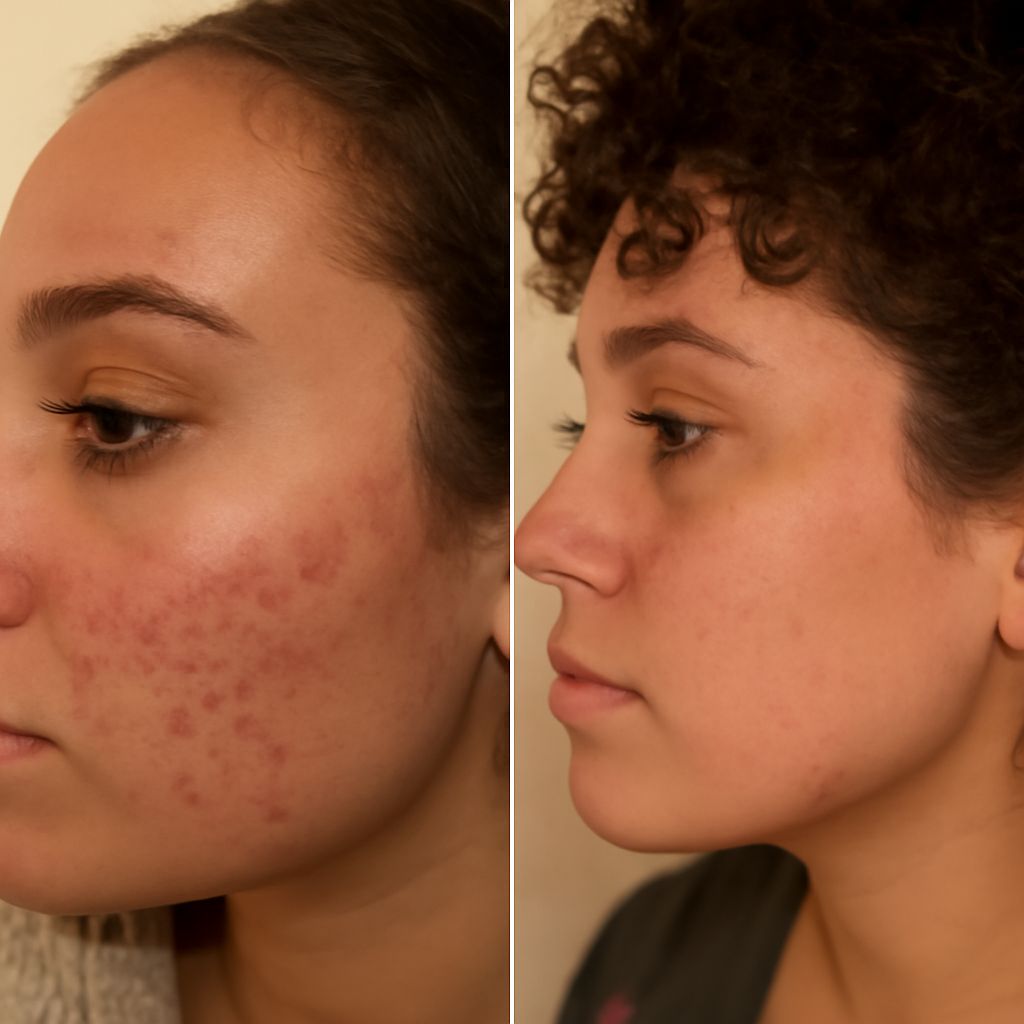
Acne is a common skin concern affecting millions worldwide. While traditional treatments often provide relief, some individuals seek alternative and complementary solutions to enhance their skin’s appearance. Microneedling for acne and other natural remedies like calendula for acne have emerged as promising options. These treatments not only address acne but also improve overall skin health, offering a holistic approach that may work wonders for those struggling with persistent skin issues.
If you are considering treatments beyond the conventional, understanding the science behind each method is crucial. For example, while microneedling involves minimal invasion, acupuncture for acne offers a more holistic approach rooted in ancient practices. This article will explore both these methods, along with tips on what to put on skin after microneedling and the strategic use of astringents in acne treatment.
What is Microneedling for Acne?
Microneedling, often referred to as collagen induction therapy, is a minimally invasive procedure that involves using tiny needles to create micro-injuries in the skin. This process triggers the skin’s natural healing response, promoting collagen and elastin production. When used for acne, microneedling can help reduce scars, improve skin texture, and even address hyperpigmentation.
The procedure is generally safe and effective for many skin types, although it is essential to consult with a professional to assess individual suitability. Potential side effects include temporary redness and swelling, but these typically subside within a few days.
How Does Acupuncture for Acne Work?
Unlike microneedling, acupuncture for acne harnesses the principles of traditional Chinese medicine. It involves inserting fine needles into the skin at specific points to balance the body’s energy, or Qi. This method is believed to enhance blood circulation and reduce inflammation, thereby improving skin health and combating acne symptoms.
Acupuncture may be particularly beneficial for individuals seeking a holistic approach to skincare. While scientific studies on its efficacy for acne are still limited, anecdotal evidence suggests it can complement other treatments and contribute to overall well-being.
What to Put on Skin After Microneedling?
Post-microneedling care is crucial to maximize results and minimize potential side effects. Immediately after the procedure, the skin is more permeable, making it an ideal time to apply specific products that aid healing and hydration. Gentle, hydrating serums and creams containing hyaluronic acid, vitamins C and E, and peptides are often recommended.
Avoid harsh chemicals or exfoliants for at least a week post-treatment to prevent irritation. Sunscreen is also essential, as the skin will be more sensitive to UV exposure. Always opt for a broad-spectrum, mineral-based formula to provide optimal protection.
Can Calendula Help Treat Acne?
Calendula, known for its anti-inflammatory and antimicrobial properties, has been used in skincare for centuries. As a natural remedy, calendula for acne offers several benefits, including soothing irritated skin and reducing redness. It can be found in various forms, such as oils, creams, and ointments, making it easy to incorporate into a daily skincare routine.
While calendula is generally safe for most people, performing a patch test is advisable, especially for those with sensitive skin, to avoid allergic reactions. Its gentle nature makes it an excellent option for those who prefer natural treatments over more aggressive options.
The Role of Astringents in Acne Treatment
Astringents play a significant role in acne treatment by helping to tighten pores, remove excess oil, and reduce inflammation. Common astringent ingredients include witch hazel, alcohol, and salicylic acid. However, while effective, they must be used judiciously to prevent over-drying or irritating the skin.
Incorporating astringents into an acne treatment regimen requires balancing their benefits against potential drawbacks. For example, those with dry or sensitive skin should opt for alcohol-free formulas to avoid exacerbating existing issues.
Combining Treatments for Optimal Results
Combining treatments can often yield better results than relying on a single method. For instance, pairing microneedling with calendula application may enhance healing while reducing inflammation. Similarly, acupuncture sessions can be complemented with topical treatments to address both internal and external factors contributing to acne.
It is essential to approach combination treatments with caution, ensuring that the chosen methods are compatible. Consulting with skincare professionals and performing patch tests can mitigate risks and tailor a regimen that maximizes benefits while minimizing adverse effects.
Safety Recap: When considering treatments like microneedling and acupuncture, always consult with certified professionals to ensure safety. Use sharp tools, such as microneedling devices, with care to prevent injury. Additionally, individuals with skin sensitivities should opt for gentle products post-procedure to avoid irritation.




Leave a Reply