
Acne is a common concern that affects millions worldwide, leaving behind not only blemishes but also long-lasting scars. While there are numerous treatments available, finding the right approach can be overwhelming. From lactic acid and dermabrasion to glycolic acid and turmeric masks, each solution offers unique advantages in tackling acne and its aftermath. This article delves into the benefits and applications of these treatments, helping you make informed decisions for your skincare regimen.
What is Lactic Acid and How Does it Help Acne?
Lactic acid is an alpha-hydroxy acid (AHA) derived from milk that gently exfoliates the skin, aiding in the removal of dead skin cells and unclogging pores. This process not only helps reduce the appearance of acne but also promotes a brighter, more even complexion. Thanks to its mild nature, lactic acid is suitable for various skin types, including sensitive skin. Regular use can lead to significant improvements in skin texture and tone, making it a popular choice in acne treatment regimens.
How Does Dermabrasion Work for Acne Scars?
Dermabrasion is a mechanical exfoliation technique that uses a rotating instrument to remove the outer layers of skin. This procedure is effective for treating acne scars, as it encourages new skin growth and can significantly improve skin texture. Although dermabrasion is more invasive than chemical exfoliants like lactic or glycolic acid, it can offer dramatic results for those with deep scars. It’s important to seek professional consultation before undergoing dermabrasion to ensure it’s suitable for your skin type and to discuss potential risks and recovery times.
Is Glycolic Acid Effective for Acne Scars?
Glycolic acid, another widely used AHA, is renowned for its ability to penetrate deeply into the skin, promoting the shedding of dead skin cells and enhancing skin renewal. This makes it an effective treatment for acne scars, as it can help to smooth out uneven skin and refine the skin’s surface. Glycolic acid is often found in chemical peels and over-the-counter skincare products, offering various concentrations for different levels of exfoliation. Its effectiveness can vary depending on the severity of the scars, and it is recommended to start with lower concentrations to assess skin tolerance.
Can Salicylic Acid Reduce Acne Scars?
Salicylic acid, a beta-hydroxy acid (BHA), is particularly beneficial for oily and acne-prone skin. It works by penetrating the pores, dissolving excess oils, and exfoliating inside the follicles. While salicylic acid is primarily used to prevent and treat active acne, it can also help reduce the appearance of superficial acne scars by promoting cell turnover and reducing inflammation. Regular use can lead to clearer skin and a reduction in post-acne marks. However, it is essential to monitor skin reaction and avoid overuse, as salicylic acid can be drying for some skin types.
What Benefits Does a Turmeric Mask Offer for Acne?
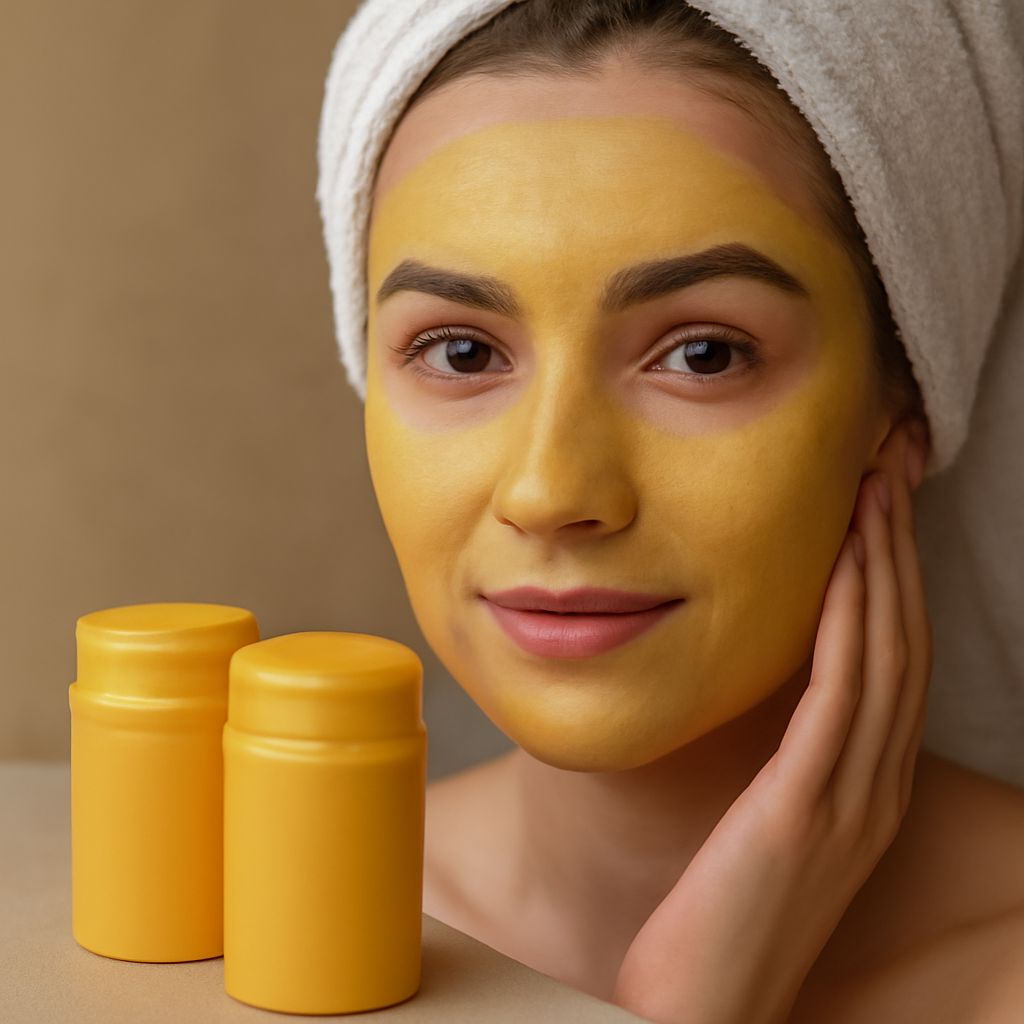
Turmeric, a natural anti-inflammatory and antioxidant, has gained popularity as a home remedy for acne. Turmeric masks can help reduce redness, calm irritated skin, and fade acne scars over time. The active compound in turmeric, curcumin, is known for its ability to combat inflammation and bacterial activity, making it a beneficial addition to acne treatment routines. While turmeric masks are generally safe for most skin types, it is important to perform a patch test to prevent potential allergic reactions or staining on fair skin.
Choosing the Right Treatment for Your Skin Type
With numerous treatment options available, selecting the most suitable one depends on your individual skin type and concerns. Those with sensitive skin might find lactic acid and turmeric masks more gentle, while individuals with oily or acne-prone skin could benefit from salicylic acid. For significant acne scars, procedures like dermabrasion or glycolic acid peels might be more appropriate. Consulting with a dermatologist can provide personalized recommendations, ensuring the chosen treatment aligns with your skin’s needs and tolerances.
Combining Treatments: A Holistic Approach to Acne Care
While each treatment offers distinct advantages, combining different approaches can enhance overall results. For instance, using a gentle lactic acid exfoliant alongside a turmeric mask can offer both exfoliation and anti-inflammatory benefits. Similarly, alternating between glycolic and salicylic acid can provide a comprehensive approach to tackling active acne and preventing future scarring. However, it’s crucial to avoid overloading the skin and to introduce new products gradually to monitor skin response. A well-rounded skincare routine, complemented by a healthy lifestyle and professional guidance, can significantly improve acne-prone skin over time.
Bottom line: Understanding the properties and benefits of each treatment empowers you to make informed decisions in your battle against acne. Whether you choose lactic acid, dermabrasion, or a natural turmeric mask, selecting the right combination for your skin type is key to achieving long-lasting results.




Leave a Reply