
Nature has always been the ultimate inspiration for innovation, and frog skin is a remarkable example of this. Known for its unique camouflage abilities, frog skin can seamlessly blend with its surroundings, offering insights into effective natural disguise and coloring techniques. Whether you’re interested in the science behind frog skin camo for personal or practical applications, or you want to explore nature-inspired methods for coloring your skin and beard without staining, this guide provides valuable information.
What makes frog skin unique?
Frog skin is a marvel of nature, primarily due to its ability to change color and texture as needed. This adaptability is not just for show; it’s a survival mechanism. The skin is composed of specialized cells called chromatophores, which contain pigments that can expand or contract to alter the frog’s appearance. This capability allows frogs to communicate, regulate their temperature, and protect themselves from predators. The multi-layered structure of frog skin is what makes it so versatile and effective as a natural form of camouflage.
How does frog skin camo work?
Frog skin camouflage is a complex process that involves more than just color change. The intricate mechanism includes texture alteration and even moisture control. The chromatophores in frog skin are controlled by hormonal and neural signals, allowing for rapid adjustments. These changes help the frog match the colors, patterns, and even the glossiness of their environment. By studying these mechanisms, scientists and designers have gained insights into creating more effective camouflage materials for human use, whether in fashion or functional gear.
How can you mimic frog skin camo in fashion?
In fashion, mimicking frog skin camouflage can be an exciting way to incorporate natural aesthetics into your wardrobe. Designers are increasingly looking to nature to inspire sustainable and innovative materials. To replicate the effect of frog skin in clothing, consider using fabrics that shift colors or patterns in different lighting conditions, similar to those seen in activewear that adapts to light. Additionally, layering textures and using a combination of matte and shiny materials can simulate the depth seen in natural skins.
What are the best techniques for coloring skin?
When it comes to coloring skin, whether for cosmetic purposes or artistic expression, precision and care are essential. Begin by ensuring your skin is clean and moisturized to aid in even application and longer-lasting results. For temporary skin coloring, products like henna or body paints are popular choices. These provide vibrant colors without permanent commitment. Ensure you perform a patch test to avoid allergic reactions, especially if you have sensitive skin. For more permanent solutions like tattoos, choosing an experienced artist and following aftercare instructions diligently is key to maintaining skin health.
How to color your beard without staining the skin?
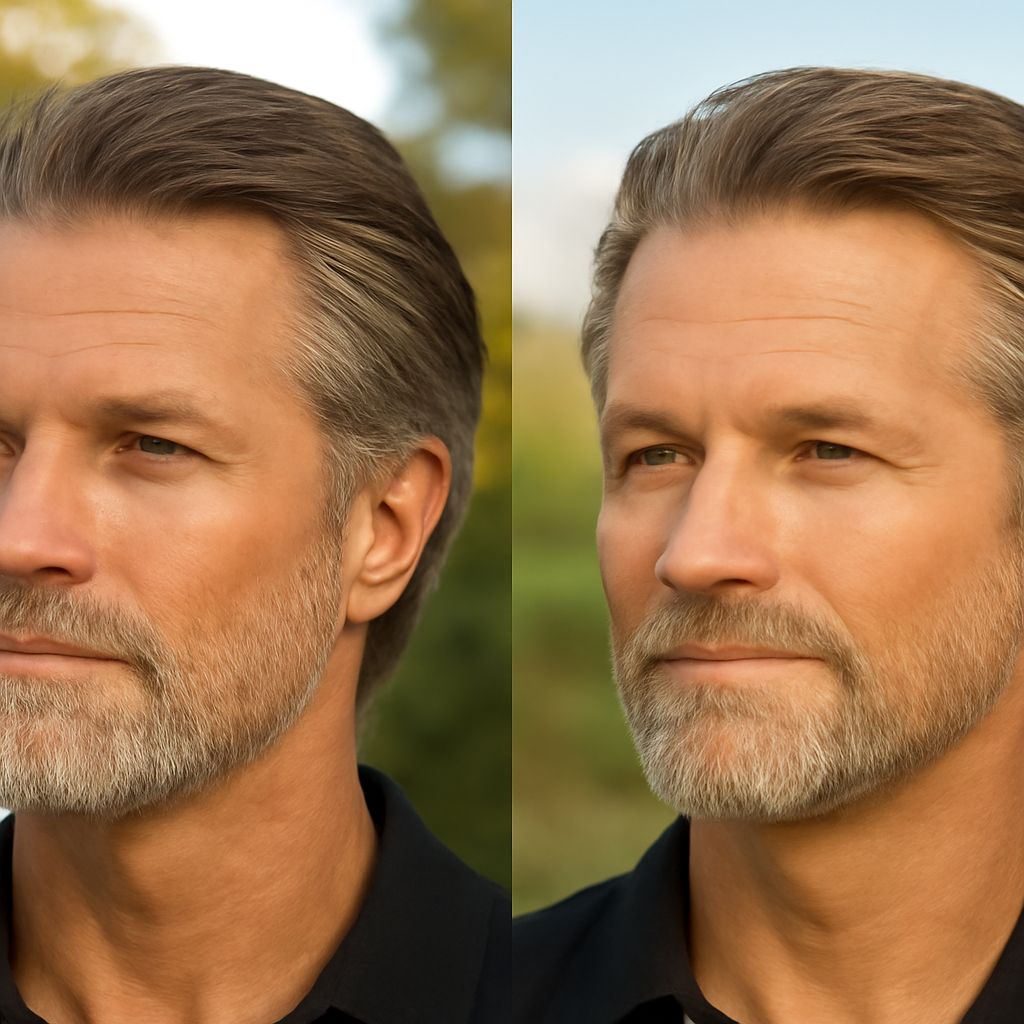
Coloring your beard can be tricky, especially when trying to avoid staining the surrounding skin. Start by selecting a beard dye specifically formulated for facial hair, as these are generally designed to minimize skin staining. Protect your skin by applying a layer of petroleum jelly or a barrier cream around your beard line. This creates a protective layer that prevents the dye from seeping onto your skin. Use application tools like a brush for precision and ensure even coverage. After applying the dye, promptly wipe away any excess from your skin to prevent stains. Following these steps will help you achieve a clean and professional look.
Safety Recap: When using any coloring products, prioritize safety by using products designed for your skin type. Perform patch tests for new products and use tools like brushes to avoid direct contact with sensitive areas.





Leave a Reply