
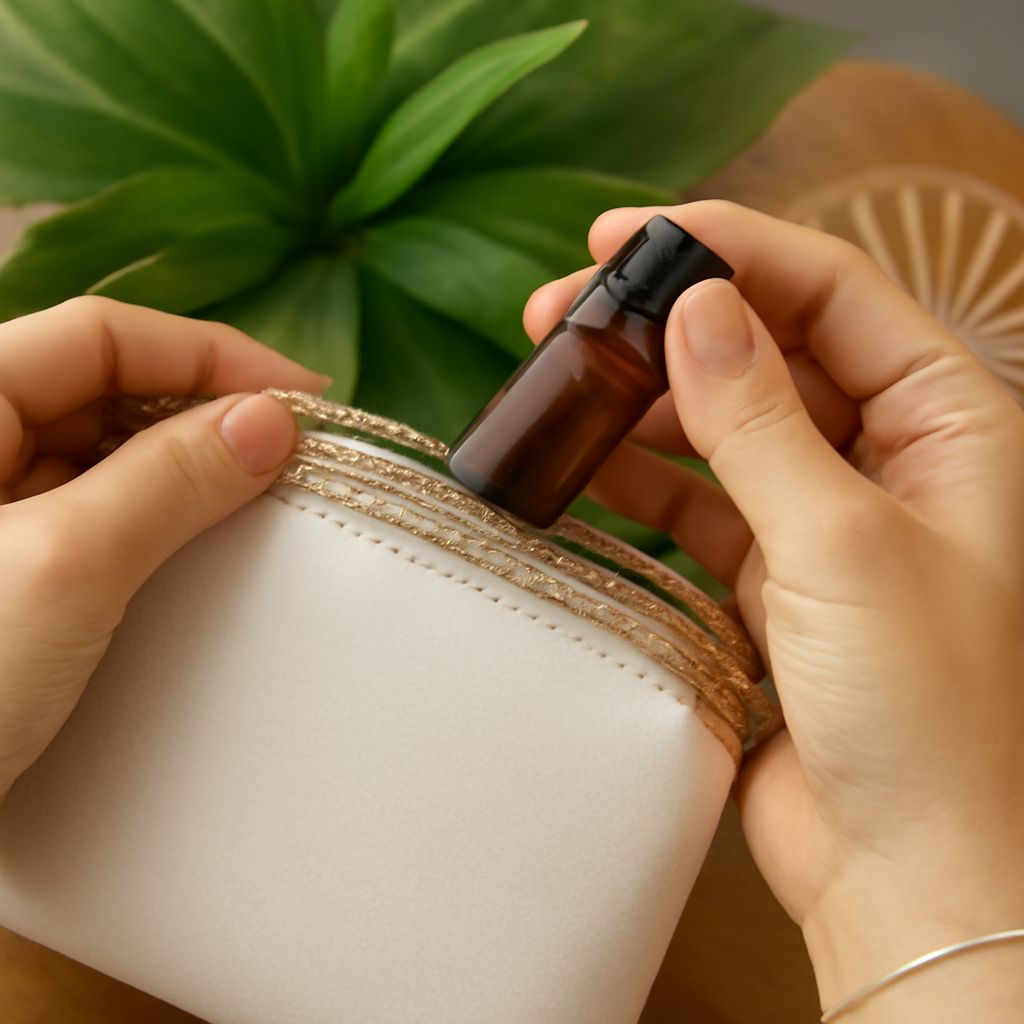
In a world abundant with skincare solutions, finding the right combination of ingredients that work harmoniously can be a daunting task. Many of us seek natural remedies that offer a solution to skin issues without the harsh side effects often associated with synthetic products. Enter Manuka honey and essential oils, two natural wonders that together can address a variety of skin concerns. Manuka honey for skin care not only provides nourishment but also works synergistically with essential oils recipes for skin, enhancing their efficacy. Whether you’re dealing with allergic reactions or looking to maintain healthy skin, this guide will help you explore the benefits of these natural solutions.
Why is Manuka Honey Beneficial for Skin?
Manuka honey has been praised for its extraordinary skin-healing properties, owing to its potent antibacterial and anti-inflammatory capabilities. This honey, derived from the nectar of the Manuka tree, contains a unique compound called methylglyoxal (MGO), which gives it its remarkable properties. The presence of MGO makes Manuka honey particularly effective in treating acne by reducing inflammation and preventing bacterial growth.
Moreover, Manuka honey is a natural humectant, meaning it helps to draw moisture into the skin, keeping it hydrated and supple. This makes it an excellent choice for those with dry or sensitive skin, as it soothes and calms irritation. Furthermore, it aids in the repair of damaged skin and promotes cell regeneration, giving your skin a healthy and radiant glow.
How to Use Manuka Honey in Your Skin Care Routine
Incorporating Manuka honey into your skincare regimen is simple and can be done in various ways. For a straightforward application, you can apply it directly to your face as a mask, leaving it on for 15-20 minutes before rinsing with warm water. This method allows the honey to penetrate the skin, delivering its healing properties directly.
For a more targeted treatment, consider mixing Manuka honey with a few drops of water or aloe vera gel to make a soothing facial serum. This can be applied daily to help maintain hydration and improve skin texture. As with any new skincare product, perform a patch test to ensure there is no sensitivity to the honey.
What Essential Oils Can Help with Skin Allergic Reactions?
Essential oils have long been used for their therapeutic effects, especially in alleviating skin allergic reactions. Lavender oil is renowned for its calming properties and can help soothe irritated skin. Its anti-inflammatory nature makes it ideal for reducing redness and swelling associated with allergies.
Another beneficial oil is chamomile, which is gentle on the skin and helps to alleviate itchiness and discomfort. Chamomile oil can be mixed with a carrier oil before application to provide relief from allergic reactions. Tea tree oil is also a powerful essential oil with antimicrobial properties, making it an excellent choice for treating skin allergies caused by bacteria or fungi.
Creating Essential Oils Recipes for Skin Care
Crafting your own essential oils recipes for skin care allows you to tailor treatments to your specific skin needs. A simple recipe to soothe irritated skin involves blending lavender and chamomile oils with a carrier oil like jojoba or almond oil. This mixture can be applied to affected areas to provide relief and hydration.
For those dealing with acne-prone skin, a combination of tea tree, lavender, and Manuka honey can create a powerful spot treatment. Mix a few drops of each oil with a teaspoon of honey and apply directly to blemishes for a targeted approach.
Combining Manuka Honey and Essential Oils for Optimal Skin Health
The synergy between Manuka honey and essential oils can offer a robust approach to skin health, addressing multiple concerns at once. For example, a hydrating mask can be made by combining Manuka honey with a few drops of lavender and chamomile oils. This blend not only hydrates but also soothes and reduces inflammation, perfect for sensitive or dry skin.
For a revitalizing toner, mix a teaspoon of Manuka honey with water and add a couple of drops of tea tree oil. This combination helps to balance the skin’s pH and keep breakouts at bay, while the honey ensures that your skin remains soft and moisturized.
Safety Recap: When using essential oils, always dilute them with a carrier oil to prevent skin irritation. Perform a patch test before using any new product, particularly if you have sensitive skin. Manuka honey is generally safe, but if you have a known allergy to honey, consult with a healthcare professional before use.




Leave a Reply