
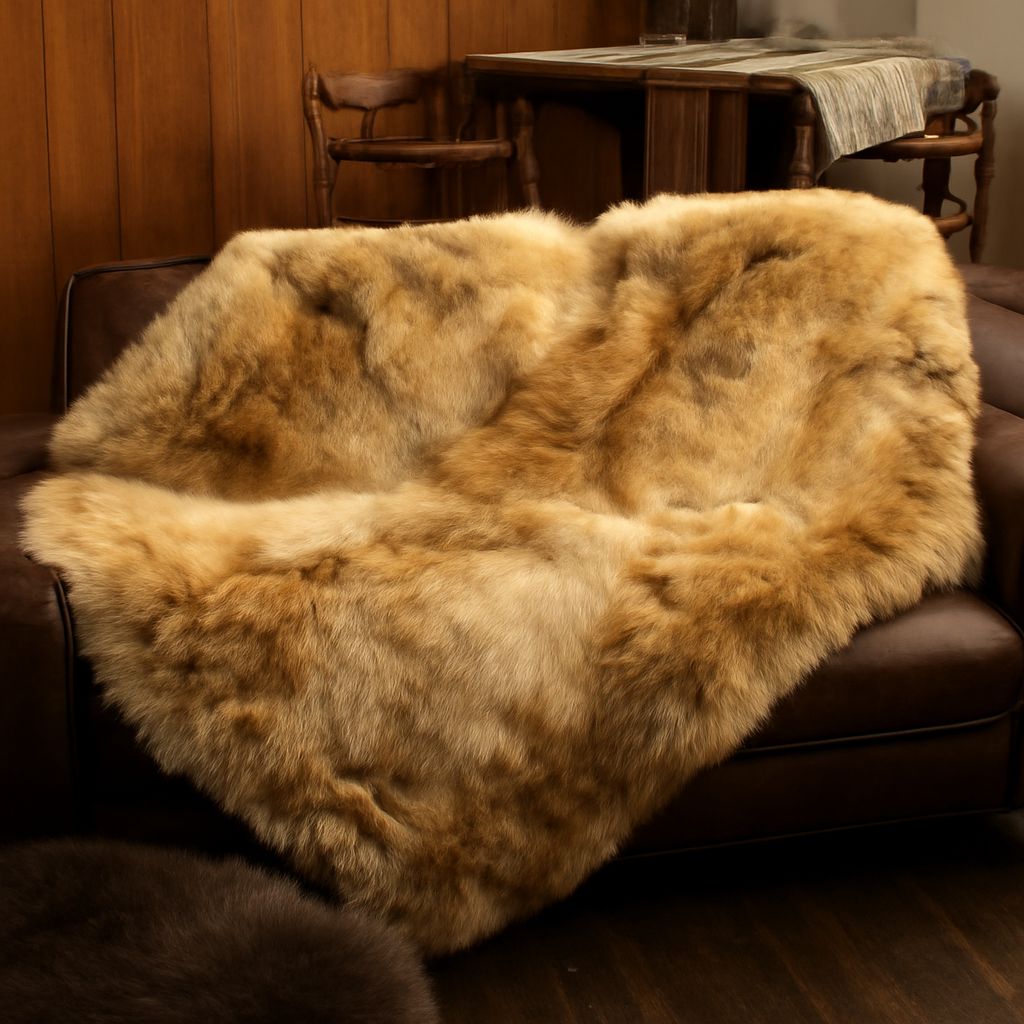
Animal skins have been utilized for centuries, serving as essential materials for clothing, decoration, and protection against the elements. Today, while synthetic materials are increasingly popular, the allure of traditional materials like buffalo skin and seal skin remains strong. Enthusiasts appreciate these items not only for their historical significance but also for the unique blend of comfort, durability, and style they offer. From the warmth of a seal skin coat to the luxurious feel of a bear skin blanket, these items continue to hold a special place in both fashion and home decor.
The use of animal skins, including buffalo and bear, is not merely a nod to the past. These materials are being reimagined for modern applications, often with an eye towards sustainability and cultural significance. Whether you’re draping an animal skin blanket across a sofa or donning a buffalo skin coat, these products bring a sense of natural beauty and rugged elegance into everyday life.
Introduction to Animal Skin Uses
Animal skins have played a significant role in human history, providing essential resources for survival and comfort. In colder climates, skins from various animals were indispensable for creating warm clothing and shelter. Beyond their practical uses, animal skins have also been symbols of status and cultural identity across different societies.
Today, the applications of animal skins span beyond functional uses to embrace aesthetic and cultural values. They are integrated into fashion, design, and art, with each type of skin offering distinct characteristics that cater to specific needs and preferences.
Buffalo Skin: A Historical Perspective
Buffalo skin has been a valuable resource for indigenous peoples for centuries. Traditionally, it was used to craft clothing, footwear, and shelter. The buffalo’s importance extended beyond its physical uses; it was a central figure in the cultural and spiritual lives of many Native American tribes.
Historically, buffalo skin was also utilized in trade, serving as a commodity well-regarded for its durability and warmth. As a material, it provided excellent insulation against harsh weather conditions, making it ideal for creating garments that could withstand the elements.
Seal Skin Coats: A Blend of Functionality and Style
Seal skin coats are revered for their exceptional ability to provide warmth and repel moisture. This makes them ideal for harsh, cold climates. The natural oils in seal skin add a level of water resistance that is unmatched by many other materials.
Beyond their functional attributes, seal skin coats have also become a fashion statement. Designers appreciate the sleek texture and unique patterns of seal skin, incorporating them into stylish outerwear that merges practicality with elegance. However, it’s important to source these products responsibly, ensuring that they meet ethical standards and support sustainable practices.
The Comfort of Bear Skin Blankets
Bear skin blankets are synonymous with luxury and comfort. Their thick, plush texture provides a sense of warmth and coziness that is hard to replicate with synthetic materials. These blankets are often used in high-end home decor to create a rustic or cabin-like ambiance.
In addition to their comforting properties, bear skin blankets can also serve as statement pieces. They add texture and depth to a room, making them a popular choice for those looking to enhance their interior design with natural elements.
Buffalo Skin Coats: Modern Applications
In contemporary fashion, buffalo skin coats are celebrated for their durability and distinctive look. They offer a rugged charm that appeals to those with an affinity for vintage style and outdoor aesthetics. Modern designs often incorporate buffalo skin in innovative ways, combining traditional techniques with contemporary fashion trends.
These coats not only provide warmth but also offer a unique style that stands out in a sea of mass-produced outerwear. The natural patterns and textures of buffalo skin make each piece unique, catering to individuals looking for clothing that reflects their personal style.
Animal Skin Blankets in Contemporary Home Decor
The use of animal skin blankets in home decor is a testament to their timeless appeal. These blankets are versatile, serving both functional and decorative purposes. They can be draped over furniture for added warmth and comfort or used as focal points in a room’s design scheme.
Incorporating animal skin into decor brings an element of nature indoors, which can complement a variety of interior styles, from rustic to modern. Whether used in a traditional setting or a more contemporary environment, animal skin blankets provide an earthy touch that enhances the overall aesthetic.
Sustainability in the Use of Animal Skins
As awareness around sustainability grows, the use of animal skins is increasingly scrutinized. It is crucial to source these materials responsibly, ensuring that the practices involved are ethical and environmentally sound. Sustainable use of animal skins involves regulated hunting, respect for wildlife conservation, and support for indigenous communities who rely on these resources.
Consumers can contribute to sustainability by choosing products from reputable sources that prioritize ethical standards. By supporting such practices, we help preserve cultural traditions while also promoting environmental responsibility.
Safety Note: When incorporating animal products into your lifestyle, it is essential to consider potential allergies or sensitivities, especially when in close contact with skin. Always handle such materials with care, and ensure they have been treated properly to prevent any adverse reactions.
Bottom line: The enduring appeal of buffalo skin, seal skin, and other animal-derived materials lies in their unique blend of tradition, functionality, and aesthetic value. As we continue to embrace these materials, it is crucial to do so with a commitment to sustainability and ethical practices, ensuring that they remain a cherished part of our cultural and fashion landscape.





Leave a Reply