
In the world of design and manufacturing, selecting the right material is crucial. Whether it’s for fashion, technology, or home decor, the material used can significantly impact both aesthetic appeal and functional utility. One particularly intriguing comparison is between ostrich skin, known for its unique texture and durability, and other materials such as milk skin, silicone skin, and lighter skin options. As we explore credit card skin, a term denoting premium and often exotic materials, understanding these comparisons becomes essential for making informed decisions.
The allure of materials like ostrich skin lies not just in their beauty but also in their practical applications. From the rich texture of ostrich leather to the soft, supple nature of milk skin, each material offers distinct advantages. By exploring how these materials are utilized, we can better appreciate why certain projects favor one over the other, thus aligning our choices with our needs and values.
What is Credit Card Skin?
Credit card skin is a metaphorical term used to describe high-end materials often characterized by their luxurious feel and appearance. These materials include exotic leathers, synthetic skins, and innovative blends that mimic natural textures. The name stems from the idea that these materials, like credit cards, symbolize status and exclusivity.
These skins are used in the production of various luxury items, from high-end wallets and handbags to exclusive tech accessories. The diversity in material types allows for a wide range of textures and finishes, catering to specific design requirements and consumer preferences.
How is Ostrich Skin Used?
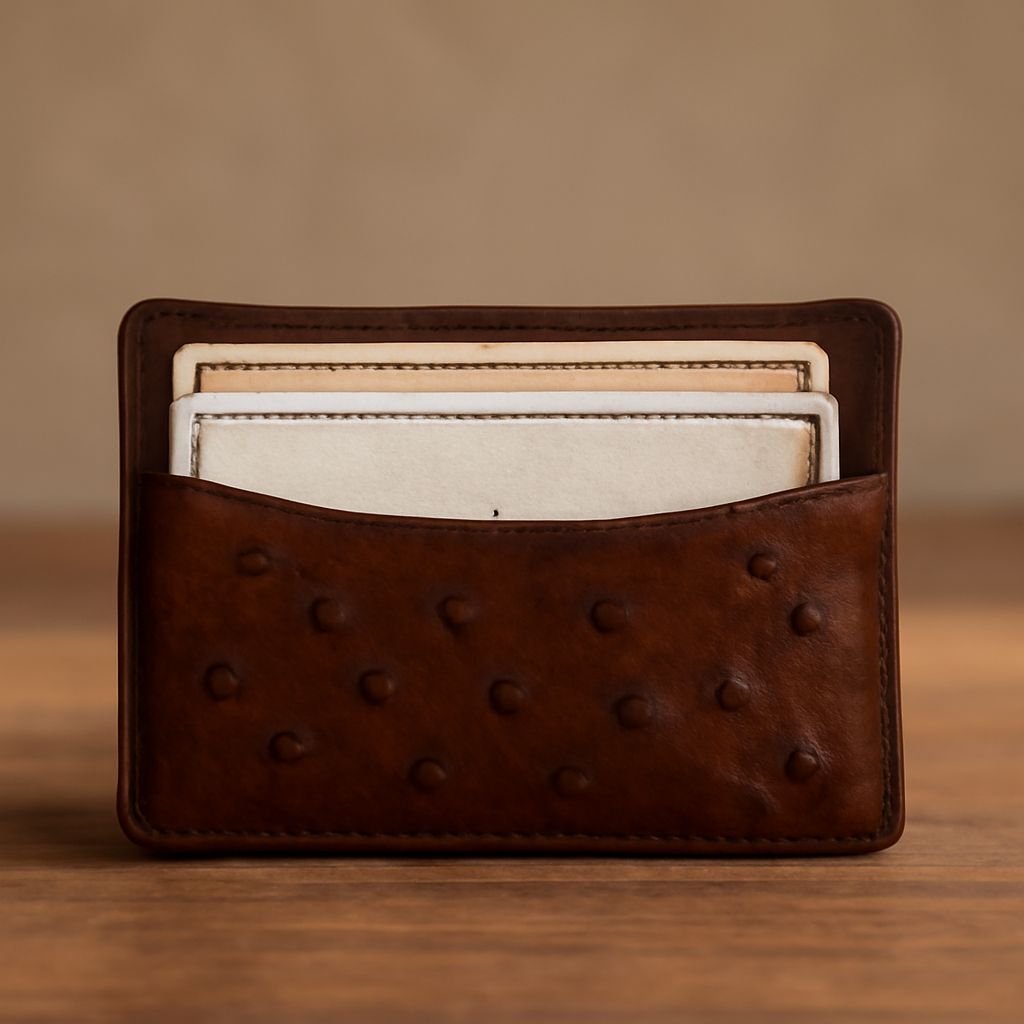
Ostrich skin is highly valued in the leather industry for its durability and distinctive quill pattern, which gives it a unique texture and visual appeal. It is often used in the creation of luxury handbags, wallets, and footwear. The natural oils present in ostrich leather ensure it stays supple and resistant to cracking, making it a preferred choice for items that require both elegance and longevity.
Beyond fashion, ostrich skin is also utilized in upholstery and interior design, offering a touch of sophistication and exclusivity. Its ability to be dyed in a range of colors further enhances its versatility, allowing designers to experiment with bold and vibrant palettes without losing the material’s inherent charm.
What Makes Milk Skin Unique?
Milk skin, often referred to as a vegan alternative to traditional leather, is crafted from casein, a protein derived from milk. This material is celebrated for its soft, leather-like feel and eco-friendly properties, making it an appealing choice for environmentally conscious consumers.
The production of milk skin involves a sustainable process that reduces waste and energy consumption. It is primarily used in fashion and accessory design, offering a cruelty-free option that does not compromise on quality or aesthetics. Its pliability and smooth texture make it ideal for crafting soft, luxurious garments and accessories that rival traditional leather alternatives.
Exploring the Versatility of Silicone Skin
Silicone skin is known for its flexibility and resilience, making it a popular choice in a variety of industries. Unlike natural leathers, silicone is synthetic, offering hypoallergenic properties and resistance to environmental factors such as water and UV exposure.
This material is frequently used in the production of phone cases, medical prosthetics, and wearable technology. Its ability to withstand harsh conditions without degrading makes it a reliable option for products that require both durability and comfort. Additionally, silicone can be molded into intricate designs and textures, providing endless possibilities for creative innovation.
Understanding the Appeal of Lighter Skin Materials
Lighter skin materials, such as thin leather and synthetic fabrics, offer advantages in terms of weight and flexibility. These materials are often favored in applications where mobility and ease of use are paramount, such as lightweight bags and portable tech sleeves.
The appeal of lighter materials lies in their contribution to user comfort and functionality. Products made from these materials are typically easier to carry and maneuver, enhancing user experience without sacrificing style. Furthermore, advancements in textile technology have enabled these materials to offer improved durability and aesthetic quality, closing the gap between lightweight and traditional heavier materials.
Comparing Different Skin Types: A Summary
In evaluating these diverse materials, it becomes clear that each offers unique benefits suited to different applications. Ostrich skin stands out for its luxurious texture and durability, while milk skin provides an eco-friendly alternative with a similar feel. Silicone skin offers unparalleled versatility and resilience, making it ideal for high-use items, whereas lighter materials excel in comfort and portability.
When choosing among these skins, consider the intended purpose, environmental impact, and personal aesthetic preferences. By aligning these factors with the material’s properties, you can select the best option for your needs, whether it’s a stylish accessory or a high-performance gadget.
Pro tips recap: Choose ostrich skin for luxury and durability; opt for milk skin as a sustainable, vegan choice; utilize silicone skin for flexible, hypoallergenic products; and select lighter materials for enhanced portability. Always consider the specific application and user requirements to make the best material choice.



Leave a Reply