
One of the most repeated rules in makeup is that you should use a concealer lighter than your foundation. Like most beauty rules, this one has legitimate uses and significant exceptions. Should your concealer be lighter than your foundation? It depends entirely on what you’re concealing and where you’re applying it. Using a concealer that’s too light creates a gray, ashy under-eye area that draws more attention than the darkness it was meant to cover. Should concealer be lighter or darker comes down to purpose and placement.
For makeup for pale skin and dark hair, finding the right balance is especially important — fair skin shows contrast more visibly, and the wrong shade of concealer looks chalky or mask-like. The best concealer for pale skin isn’t necessarily lighter than foundation at all; it’s the right tone. This guide gives you a clear framework for choosing concealer for pale skin and every other skin type.
When Concealer Should Be Lighter Than Foundation
Lighter concealer works best for under-eye circles. The under-eye area has a hollow that creates shadow — a shade one or two tones lighter than your foundation counteracts that shadow and brightens the look. Go no more than two shades lighter; anything beyond that turns the under-eye area chalky and highlights texture.
A lighter concealer also works for inner corner brightening — a small amount at the inner corner of the eye opens the eye visually, a common technique in makeup for pale skin and dark hair to create contrast and lift.
When Concealer Should Match Foundation
For blemishes, redness, and spots, matching your foundation exactly or going the same shade is correct. A lighter spot concealer on a blemish creates a lighter circle that’s just as visible as the original spot. The goal with blemish concealing is to match the surrounding skin tone exactly, then set with powder to prevent creasing.
Should concealer be lighter or darker for broken capillaries and redness? Match or go very slightly lighter — a color-correcting peach or green primer under the concealer neutralizes the redness more effectively than shade alone.
Choosing Concealer for Pale Skin
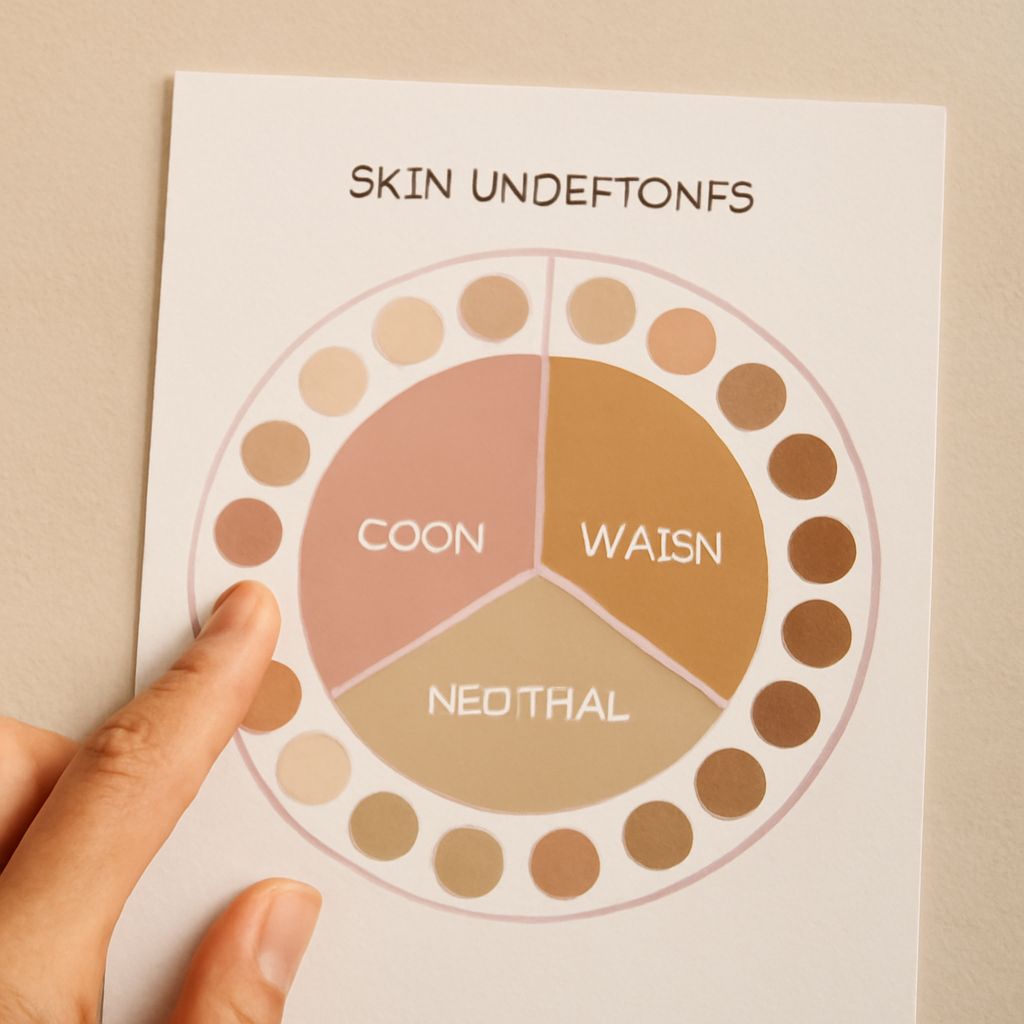
The best concealer for pale skin avoids pink, lavender, or overly warm undertones that show as a visible wash of color against fair skin. Look for these undertones based on your specific skin:
- Cool pale skin (pink or blue undertones): Choose a concealer with a neutral to slightly pink undertone. Peach-based concealers turn orange on very cool skin.
- Neutral pale skin: A neutral or light yellow-based concealer for pale skin works across the widest range of tasks.
- Warm pale skin (yellow or olive undertones): A warm yellow or golden-beige concealer matches better than anything with pink tones.
The best concealer for pale skin also needs to have substantial coverage — thin, sheer concealers don’t cover dark circles or blemishes on fair skin, where contrast is most visible.
Makeup for Pale Skin and Dark Hair
The high contrast of pale skin against dark hair means every makeup choice shows more clearly. For concealer for pale skin in this combination:
- Use a slightly lighter concealer under the eyes — but set it with a translucent or very finely milled setting powder to prevent creasing and maintain the brightening without going chalky
- Avoid heavy, matte concealers directly under the eye — they emphasize dry texture and fine lines, particularly on pale skin where texture is easier to see
- A damp beauty sponge blends concealer more naturally on pale skin than a brush, which can leave brush marks visible at high contrast
How to Apply Concealer Correctly
Apply concealer after your foundation, not before. Foundation covers a significant amount of imperfection on its own; applying concealer after shows you exactly where spot coverage is still needed, reducing overall product use. For under-eye application, use an inverted triangle shape pointing down toward the cheek — this covers the full shadow area, not just the half-moon directly under the lash line.
Pro tips recap: Go one to two shades lighter for under-eye concealing; match your foundation exactly for blemishes. The best concealer for pale skin has the right undertone, not just a light shade. Always apply concealer after foundation. Set concealer with a finely milled powder to extend wear and reduce creasing.





Leave a Reply