
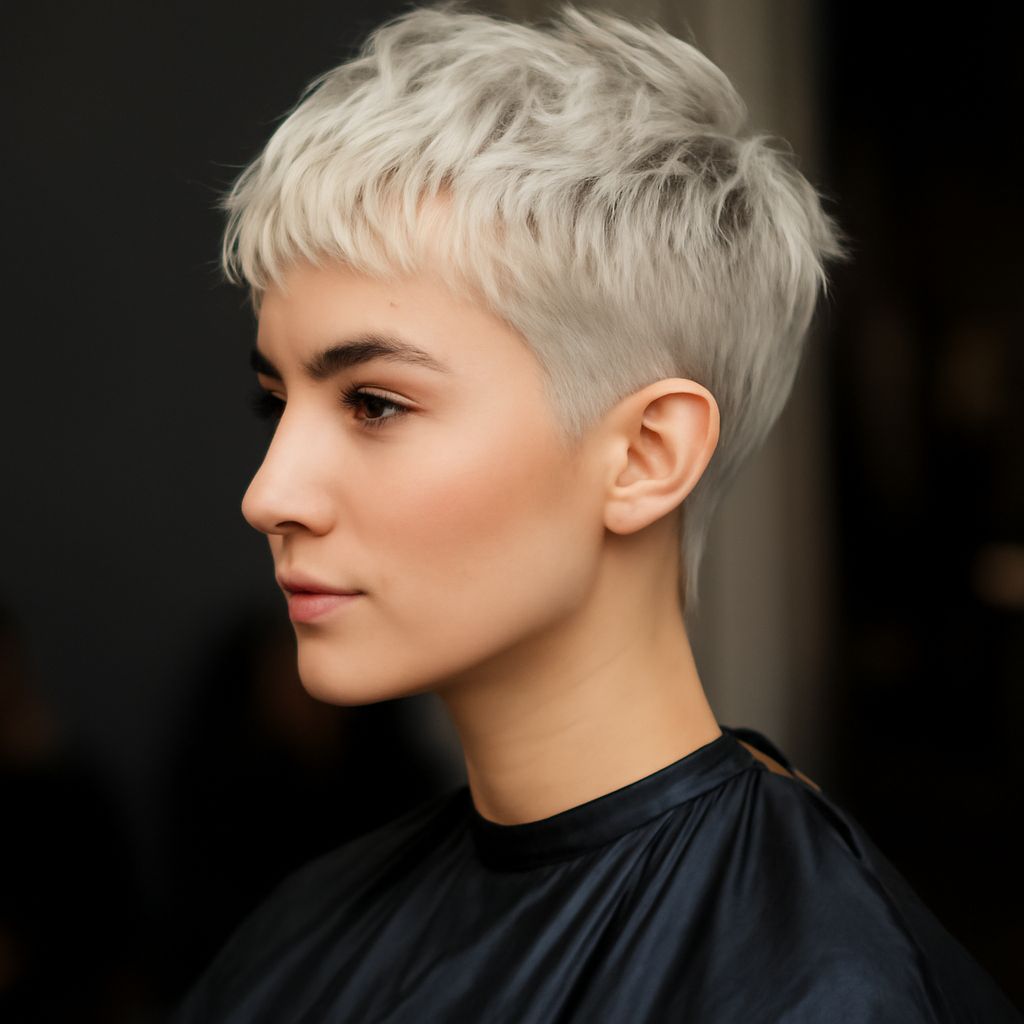
In the world of modern barbering, achieving the perfect haircut is both an art and a science. Among the myriad of styles available, the skin taper and its variant, the skin taper fade, stand out for their clean, versatile look. As popular choices, they require a keen understanding of technique to master fully. This guide explores how to perfect these styles, while highlighting the differences between the two and offering insights into maintaining them effectively.
What is a Skin Taper?
The skin taper is a haircut technique that gradually decreases hair length from the top of the head to the nape of the neck and around the ears. This style is characterized by its smooth transition from longer hair into a very short or shaved finish at the lower edges. The appeal of a skin taper lies in its ability to provide a polished, neat appearance suitable for various settings, from professional environments to casual outings.
Understanding the Skin Taper Fade
A skin taper fade takes the concept of a skin taper and goes a step further by introducing an even more pronounced fading effect. While a skin taper gradually shortens the hair, a skin taper fade blends the shorter sections into the skin, creating a seamless, gradient-like effect that appears to melt into the scalp. This provides a striking contrast and adds a modern touch to the classic taper. Understanding the nuances between these two styles helps in choosing the right look for your individual taste and lifestyle.
Why Choose a Skin Taper or Skin Taper Fade?
Opting for a skin taper or a skin taper fade offers several advantages. Firstly, these styles are adaptable, making them suitable for all hair types and face shapes. The clean lines and sharp contrast provide a stylish yet understated aesthetic that complements both casual and formal occasions. Additionally, these haircuts are low-maintenance, requiring minimal effort to keep looking fresh, which is a significant benefit for individuals with busy lifestyles.
How to Get a Skin Taper Haircut
Achieving a skin taper involves skillful execution. It begins by determining the desired length at the top, followed by gradually decreasing the length along the sides and back. This process typically requires clippers with adjustable guards to ensure a smooth transition. For those attempting a skin taper fade, the technique involves more precision, with careful blending and fading from the longer sections to the skin. It is advisable to consult a professional barber who specializes in these styles to ensure optimal results.
Maintaining Your Skin Taper
Once you’ve achieved your ideal skin taper or skin taper fade, maintaining it is relatively straightforward. Regular trims every few weeks will keep the taper sharp and the fade intact. Invest in quality hair products such as pomades or styling gels to enhance the texture and hold of your longer hair sections. Proper scalp care, including cleansing and moisturizing, will also keep your skin healthy and prevent irritation from the closely shaved areas.
Common Mistakes to Avoid with Skin Tapers
Despite their simplicity, there are common pitfalls to avoid when styling or maintaining a skin taper. One frequent mistake is uneven fading, which can disrupt the smooth transition typical of this style. Additionally, neglecting regular trims can result in an untidy appearance. It is crucial to communicate clearly with your barber to ensure you achieve the exact look you desire, avoiding any misunderstandings that may lead to dissatisfaction.
Safety recap: When using clippers and razors for your skin taper or skin taper fade, prioritize tool safety. Ensure blades are sharp and clean to prevent skin irritation or accidental cuts. Additionally, given the close proximity to the skin, be mindful of any sensitivity or allergic reactions to hair products.




Leave a Reply