
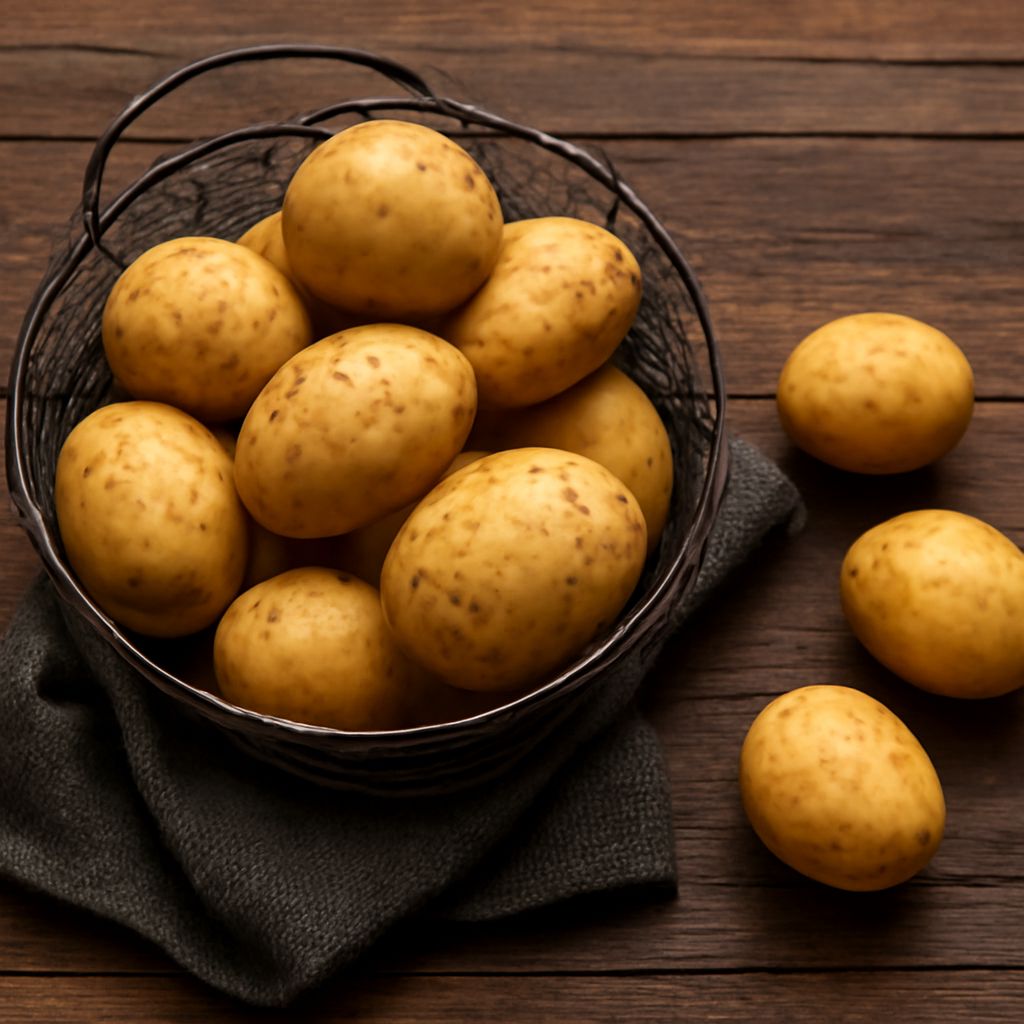
Potato skins are often enjoyed by people as a crunchy, flavorful snack, but when it comes to your canine companion, you might wonder if they’re a safe option. Are potato skins bad for dogs, or can they actually be a healthy part of their diet? It’s important to understand both the potential benefits and the risks associated with feeding potato skins to your dog to ensure they remain happy and healthy.
While potato skins can offer some nutritional benefits, they also pose potential health risks that pet owners should be aware of. This article delves into the details of feeding potato skins to dogs, providing you with the knowledge to make informed decisions about your pet’s diet.
What Are the Nutritional Benefits of Potato Skins for Dogs?
Potato skins contain several nutrients that can be beneficial for dogs when consumed in moderation. They are rich in dietary fiber, which can aid in digestion and support regular bowel movements. Additionally, potato skins provide a good source of vitamins and minerals, such as vitamin C, vitamin B6, and potassium.
These nutrients can contribute to a dog’s overall health, supporting their immune system and promoting healthy nerve function. However, it is essential to balance these benefits with the potential risks associated with feeding potato skins to your pet.
Are Potato Skins Bad for Dogs?
The question of whether potato skins are bad for dogs does not have a straightforward answer. While potato skins are not inherently toxic to dogs, they can pose certain risks if not prepared and fed correctly. The key is to ensure that potato skins are free from harmful substances and fed in moderation.
Feeding potato skins in excessive amounts or without proper preparation can lead to health issues for your dog. It’s crucial to be aware of these potential problems and take measures to avoid them.
Potential Risks of Feeding Potato Skins to Dogs
Toxicity Concerns
One of the primary concerns when feeding potato skins to your dog is the presence of solanine, a toxic compound found in potatoes. Solanine is more concentrated in the green parts of the potato, including any green patches on the skin. Consuming solanine can lead to symptoms such as vomiting, diarrhea, and lethargy in dogs.
To minimize the risk of solanine poisoning, make sure to thoroughly inspect and remove any green parts of the potato skin before feeding it to your dog.
Digestive Issues
Potato skins can also cause digestive issues for dogs if fed in large amounts. The high fiber content, while generally beneficial, can lead to gastrointestinal upset if a dog isn’t used to it. Symptoms may include diarrhea or constipation, which can be uncomfortable for your pet.
Introduce potato skins gradually into your dog’s diet and monitor their reaction to ensure they can tolerate this new food item without any adverse effects.
How to Safely Prepare Potato Skins for Dogs
To safely prepare potato skins for your dog, start by thoroughly washing the potatoes to remove any pesticides or dirt. Peel the skin and ensure there are no green patches or sprouts. Cooking the potato skins can also help reduce the levels of solanine and make them easier for your dog to digest.
Boil or bake the potato skins without adding any salt, oils, or seasonings, as these can be harmful to dogs. Once cooked, allow the skins to cool before serving them to your pet. Always feed potato skins in moderation and as part of a balanced diet.
If you’re unsure about introducing potato skins into your dog’s diet, consult your veterinarian for personalized advice.
Alternatives to Potato Skins for Dogs
If you’re hesitant to feed potato skins to your dog, there are plenty of alternative snacks that can provide similar nutritional benefits without the associated risks. Some healthy options include carrots, apples, and sweet potatoes, all of which are safe for dogs when prepared correctly.
- Carrots: Rich in beta-carotene and fiber, carrots are a crunchy treat that many dogs enjoy. Serve them raw or lightly steamed.
- Apples: A good source of vitamins A and C, apples can be a refreshing snack. Ensure to remove the seeds and core before feeding them to your dog.
- Sweet Potatoes: These are an excellent alternative to regular potatoes, offering dietary fiber, vitamins, and minerals. Cook them without added spices or oils.
These alternatives can be easily incorporated into your dog’s diet, offering variety and nutritional benefits without the potential risks associated with potato skins.
Bottom line: While potato skins can offer some nutritional benefits for dogs, they also come with potential health risks if not prepared and fed correctly. By understanding these risks and taking proper precautions, you can safely include potato skins in your dog’s diet or opt for safer alternative snacks. Always consult your veterinarian if you have concerns about your pet’s nutrition.




Leave a Reply