
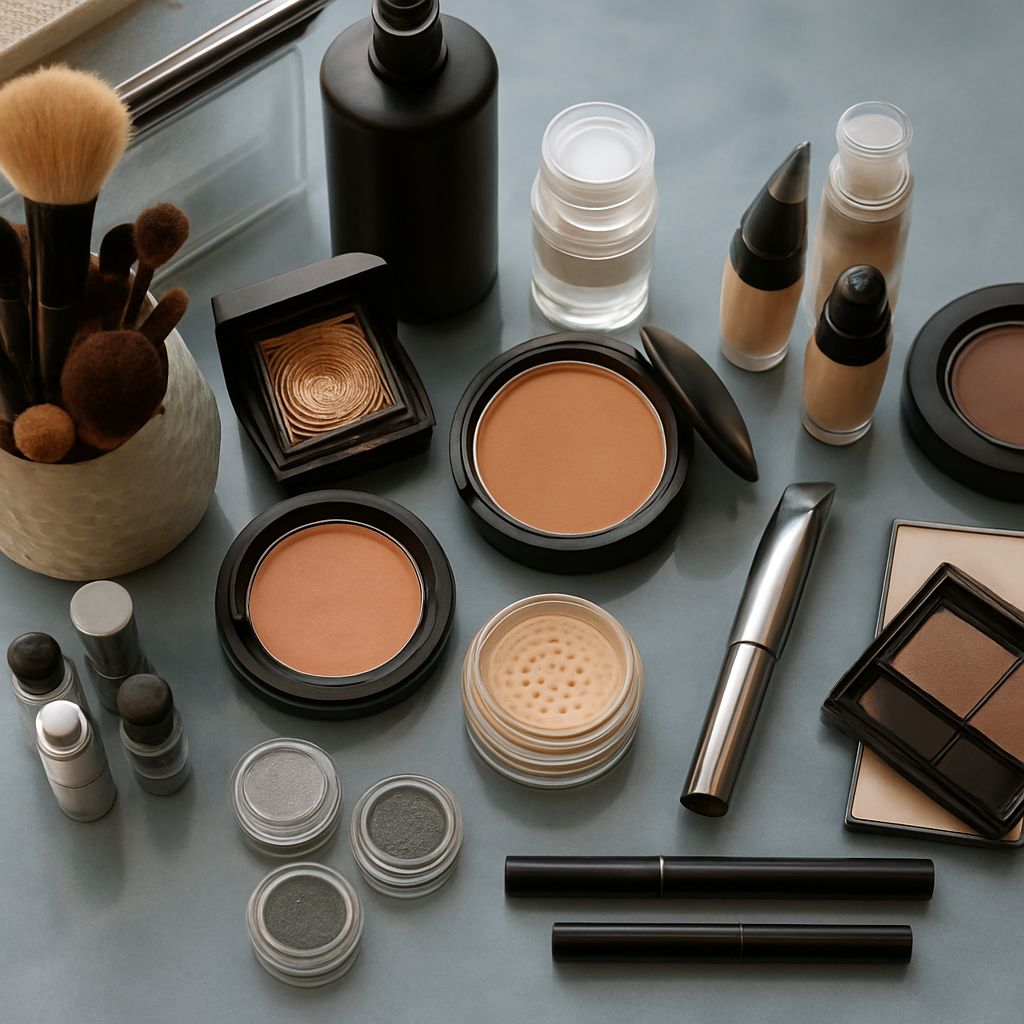
Finding the best makeup for acne prone skin is genuinely tricky. Most cosmetic formulas were not designed with breakout-prone complexions in mind, and the wrong ingredients can turn a simple foundation routine into a cycle of new pimples and worsening congestion. The key shift is approaching makeup for acne prone skin the same way you approach skincare: read ingredient lists, prioritize non-comedogenic formulas, and treat coverage as a tool that should never compromise skin health. The best makeup for acne does more than cover blemishes — it protects, soothes, or at minimum stays neutral rather than actively clogging pores. This guide walks you through every layer of an acne makeup routine built for real, breakout-prone skin.
Whether you deal with occasional hormonal spots or persistent inflammatory acne, makeup for acne applied correctly can give you coverage that holds through the day without making your skin worse by morning.
What Makes Makeup Safe for Acne Prone Skin?
Ingredients to Avoid
Isopropyl myristate, isopropyl isostearate, coconut oil, lanolin, and heavy silicones like dimethicone at high concentrations are frequently flagged as pore-clogging. Fragrance — synthetic or “natural” — is a leading cause of contact dermatitis and irritation on acne-prone skin. Heavy waxes in concealers can trap oil under the skin surface. Alcohol-heavy formulas strip the skin, triggering compensatory oil production that feeds more breakouts.
Ingredients That Actually Help Acne-Prone Skin Several makeup ingredients actively support skin health. Salicylic acid in low concentrations (0.5–2%) in foundations and primers helps dissolve dead skin cells in pores throughout the day. Niacinamide reduces inflammation and regulates sebum production. Zinc oxide, the active ingredient in many mineral formulas, offers antimicrobial properties alongside UV protection. Kaolin clay absorbs excess oil without stripping. Products containing these actives let your makeup routine double as part of your treatment strategy.
Best Foundation Options for Acne Prone Skin
Liquid Formulas
Oil-free, water-based liquid foundations in matte or satin finish are generally the most reliable category of makeup for acne prone users. Look for “non-comedogenic” and “dermatologist-tested” on the label. Buildable-coverage formulas that start sheer and layer up let you add coverage only where you need it, reducing the total product load on clear areas. Apply with a damp beauty sponge to avoid streaking and to minimize friction on any inflamed spots.
Powder and Mineral Foundations
Loose mineral powder foundations — particularly those built around zinc oxide and titanium dioxide — are excellent acne makeup choices for oilier skin types. They absorb sebum as the day progresses, provide a naturally matte finish, and their mineral-only formulas are free of the binders and preservatives that irritate reactive skin. Pressed powders work well as touch-up layers but should not be the primary foundation for moderate-to-heavy acne coverage needs.
Concealer Strategies for Covering Active Breakouts
The best concealer for active acne is full-coverage but lightweight — a contradiction that well-formulated products actually achieve. Tap, don’t rub, concealer onto inflamed spots to avoid spreading bacteria or increasing irritation. A small, flat synthetic brush gives more precise placement than a finger. Color correcting before concealing helps: peach or orange correctors neutralize the red and purple tones of active blemishes, requiring less total product to achieve opacity. Set concealer lightly with a translucent or finely milled setting powder applied with a damp sponge to prevent creasing into pores.
Setting and Finishing Products for Acne Makeup Looks
A non-comedogenic setting spray with mattifying or oil-control properties extends wear and eliminates the powdery finish that heavy setting products can leave. Avoid finishing sprays with alcohol as the first ingredient. Blotting papers — not more powder — are the right tool for midday shine control, since repeatedly layering powder over active breakouts can block pores and make texture more visible. For baked or cakey-looking spots under concealer, a single light spritz of setting spray pressed in with a sponge can refresh coverage without disturbing the base.
How to Build a Full Acne Makeup Routine
Primer
A pore-minimizing or oil-control primer creates a smoother base and helps foundation adhere without settling into open pores. Silicone-based primers fill texture visually but may not suit every acne prone type — test one patch first. Water-based primers tend to be safer across the board for breakout-prone users. Apply primer only after your skincare has fully absorbed — pressing primer into damp moisturizer reduces its effectiveness and can pill.
Application Order and Tools
Apply in this order: SPF moisturizer, primer, foundation, concealer, setting powder, setting spray. Use clean tools every session — dirty brushes and sponges are a primary vector for spreading acne-causing bacteria. Wash brushes weekly with a gentle, fragrance-free brush cleanser and allow complete drying before the next use. Replace beauty sponges every 1–3 months.
Removing Makeup for Acne Without Triggering New Breakouts
Double cleansing — a cleansing oil or micellar water first, then a gentle foaming or gel cleanser second — removes acne makeup more completely than a single-step wash. Leftover foundation and concealer that remains in pores overnight is a documented contributor to comedone formation. Avoid physical scrubs or washcloths on active acne; use clean fingertips or a soft silicone cleansing brush on gentle mode.
Pro tips recap: Choose non-comedogenic, oil-free formulas with skin-supporting ingredients like niacinamide or salicylic acid. Apply with clean tools, build coverage only where needed, and always double-cleanse at night to keep pores clear for the next day’s routine.



Leave a Reply